

Skin Booster · ECM
Some patients tell us they have had skin boosters several times but no longer respond the way they used to. This is exactly why Re2O is drawing attention: instead of stimulating the skin to produce collagen, it places an already-built structure directly into the skin.
First, skin boosters come in different classes
‘Skin booster’ is an umbrella term for procedures that change the condition of the skin by placing something into the dermis. The name is the same, but the ingredients and mechanisms vary widely, so you need to know the classes to compare them properly.
Hyaluronic acid is placed in shallow, distributed injections across the dermis. Because it holds on to water, it is used for inner dryness and rough, lackluster skin.
Polynucleotides (PN·PDRN) purified from salmon. They stimulate fibroblasts so the skin is guided to produce collagen on its own.
Biodegradable particles such as PDLLA, PLLA, and CaHA. As the particles break down, the tissue responds and collagen builds up.
Uses substances that send signals to cells, such as exosomes and growth factors.
Re2O belongs here. Already-organized extracellular matrix (ECM) is placed directly into the dermis as it is.
Because when results appear, which areas respond best, and which procedures combine well all differ from class to class.
What is Re2O made of?
Re2O (Re2O) is made by the Korean company L&C Bio. It uses material derived from human dermis from which cells, DNA, and other immunogenic elements have been removed, leaving only the structural framework. This material is called human acellular dermal matrix (hADM), and in Korea it is classified as a human tissue graft.
What remains is extracellular matrix. Collagen makes up most of it, together with elastin and glycosaminoglycans. The starting point of this material is that its composition resembles what makes up the dermis of our own skin. The manufacturer’s stated purpose of use is likewise “structural restoration and functional recovery of damaged or defective skin and dermis.”
Stimulate, or replenish?
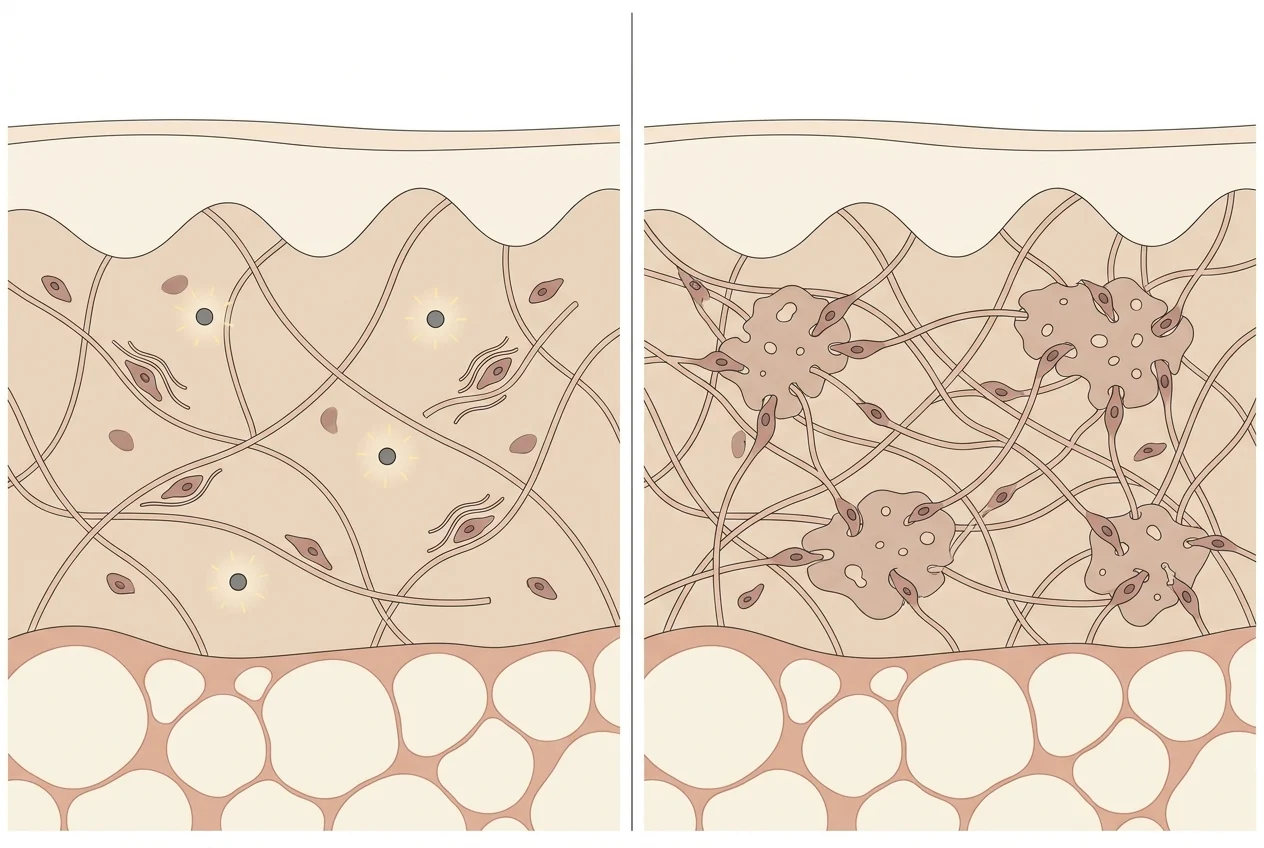
Your own fibroblasts have to do the work for results to appear. Improvement typically builds gradually over 6~12 weeks and tends to last correspondingly long.
An already-woven collagen structure is placed into the skin. A scaffold forms where it is injected, and fibroblasts move in and remodel it into your own tissue.
There is a point where this difference actually matters. With age, both the number and the activity of fibroblasts decline. Stimulating procedures depend on these cells responding, so the same procedure inevitably produces a different range of response in someone in their 20s versus their 50s. Feeling that repeated skin boosters no longer work as well as the first time can fall into this category.
The replenishing type starts from a different place. Instead of waiting for the cells to produce, it lays down the scaffold first and lets regeneration take place on top of it. This is why it may be particularly meaningful for skin whose own regenerative capacity is not what it used to be.
What changes have studies shown?
In studies of particulate human acellular dermal matrix, fibroblasts were observed entering the matrix within one week at the injection site, with new collagen forming at the interface. This means the injected material does not simply remain as it is — the process of turning into your own tissue begins.
In culture experiments, several indicators moved together.
- Proliferation of human dermal fibroblasts increased, along with synthesis of type I and type III collagen.
- Hyaluronic acid synthase rose, and hyaluronic acid production increased with it.
- In macrophages, inflammatory mediators such as IL-1β, TNF-α, and IL-6 actually decreased.
- In UV-exposed skin models, basement membrane proteins (Nidogen I, type IV collagen) showed a pattern of recovery.
There is also human data: a split-face, double-blind study in which particulate hADM was injected on one side of the face and hyaluronic acid on the other, observed for 20 weeks. It involved 20 participants with a mean age of 54.7, and improvements were reported in dermal density, elasticity, wrinkle depth, pore area, and hydration measures. No serious adverse reactions occurred; only transient redness and swelling were observed.
A 202-participant multicenter randomized study comparing particulate ADM with collagen filler for nasolabial folds showed non-inferiority at the 3-month and 6-month marks. Note, however, that this study used a product made from porcine rather than human dermis.
As a relatively recently established class, long-term data are still accumulating. The figures above are results observed in those studies, and responses vary from person to person.
Where is it most often used?
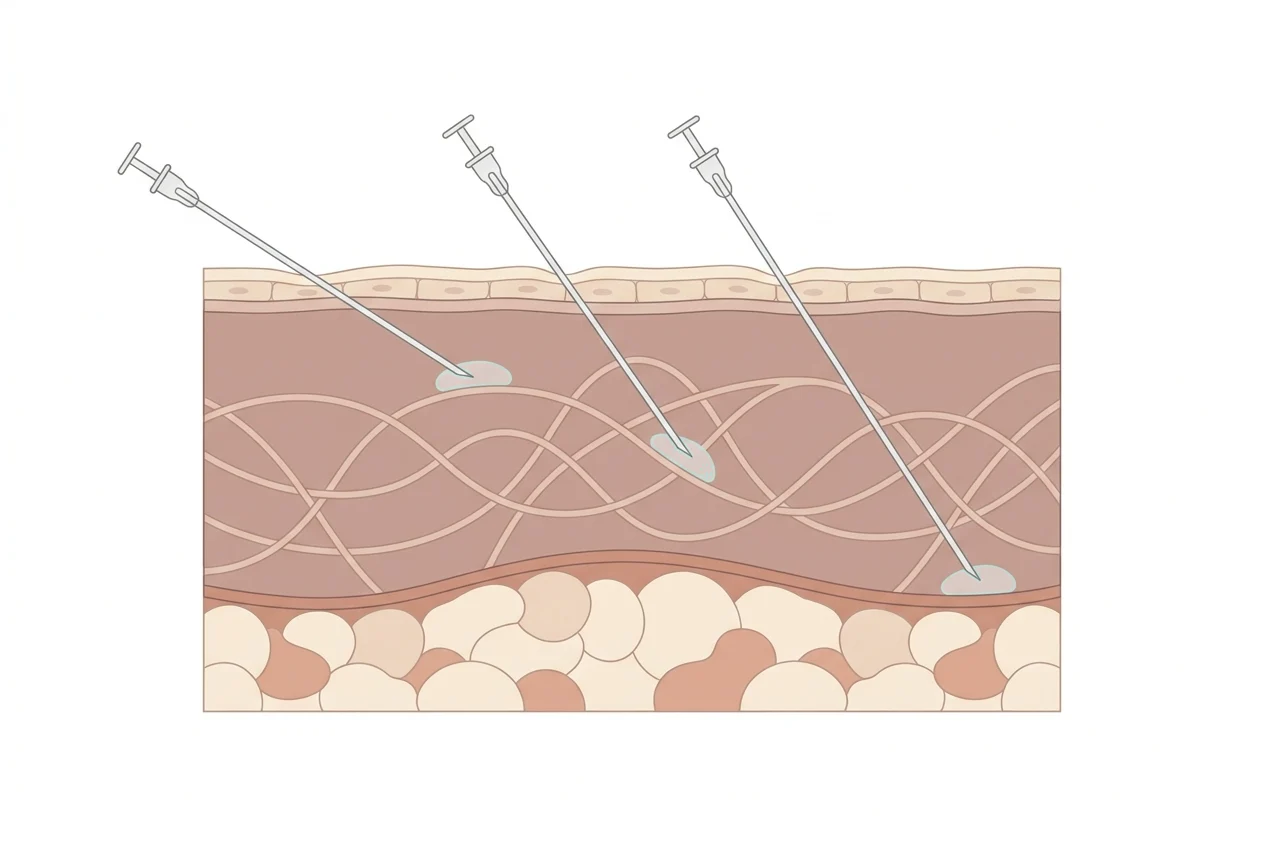
Because it works by replenishing structure, it is mainly used on areas where the dermis has thinned enough for what lies beneath to show through, or where fine wrinkles have become crinkled.
An area where thin skin looks shadowed and fine wrinkles form. Considered when filler feels like too much and the goal is to build up the thickness of the skin itself.
An area where vertical wrinkles form and lipstick starts to bleed. It folds with every expression, so skin density is the key.
When the skin feels thinner and slack rather than sunken. We view this separately from a volume problem.
Areas that tend to be cared for later than the face, so the skin is thin and fine wrinkles easily stand out.
Who is this a good fit for?
- Those whose core concern is thinning skin
If the feeling that ‘my skin has no thickness’ comes before any single wrinkle, a structure-replenishing approach matches the goal. - Those less satisfied with previous skin boosters
If you have had stimulating procedures several times and feel they no longer match the first results, you can consider a class with a different mechanism of action. - Those for whom hydration injections were not enough
Hydration filling focuses on surface texture and glow. If the problem keeps coming back over time, the dermis needs to be looked at as well. - Those in their 40s and beyond, whose regeneration is slower than it used to be
When fibroblast activity has declined, an approach that lays down the scaffold first may help more than one that ‘orders’ the cells to produce. - When another choice is better
If clear hollowing calls for volume, filler is the better fit; if sagging is the main problem, a lifting device is. If redness or pigmentation is also present, it is better to address them with lasers first.
Seen alongside other procedures
It is rare for a single skin booster to resolve the whole face. Results are cleaner when the roles are divided: skin boosters handle dermal density, ultrasound or radiofrequency lifting handles sagging contours, and lasers handle pigmentation and redness.
In the end, it comes down to ‘what you want to change’
Re2O is not a procedure that replaces existing skin boosters. Hyaluronic acid keeps its place for dehydrated skin, PN for scars and fine wrinkles, and the collagen-inducing class for overall elasticity. Re2O has, in effect, created one more distinct position among them: replenishing the very structure of the dermis.
In the consultation room, what matters is choosing the procedure or treatment that fits the skin. What bothers you, what condition your skin is in now, and how it responded to previous procedures. Knowing the classes before you choose makes a clear difference in satisfaction.
Medical references
- Injectable Particulated Human Acellular Dermal Matrix Booster for Skin Restoration: integrated randomized split-face double-blind clinical and preclinical study (Int J Mol Sci, 27(5):2193)
- Safety and Efficacy of Micronized Acellular Dermal Matrix Injection for Correction of Moderate to Severe Nasolabial Folds: double-blind multicenter randomized non-inferiority clinical trial (Aesthetic Plast Surg)
- Micronized Cross-Linked Human Acellular Dermal Matrices: characterization as collagen-synthesis scaffolds and evaluation as tissue augmentation materials
- L&C Bio Re2O (Re2O) product information — source material and intended use
- Literature on age-related decline in fibroblast activity and dermal remodeling
Equipment
이 진료에 함께 쓰는 장비
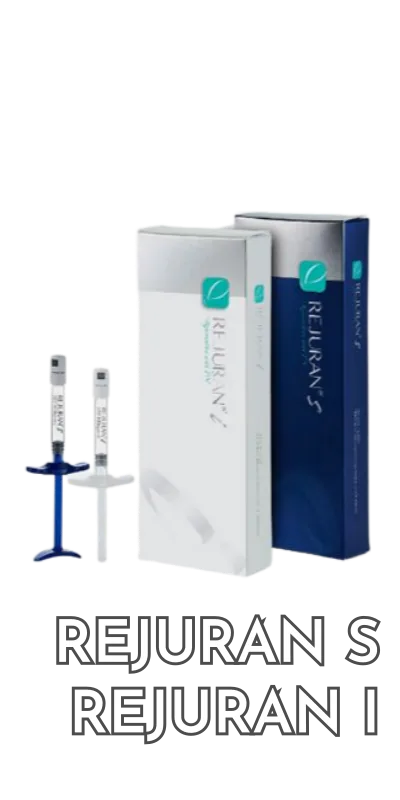
Rejuran S/I
Used for concerns involving dermal damage, such as depressed acne scars and thinning skin around the eyes. Polynucleotides purified from salmon are placed 1.5–2.5mm deep in the dermis to stimulate fibroblasts, and as collagen fills in, this helps improve scars and fine lines.
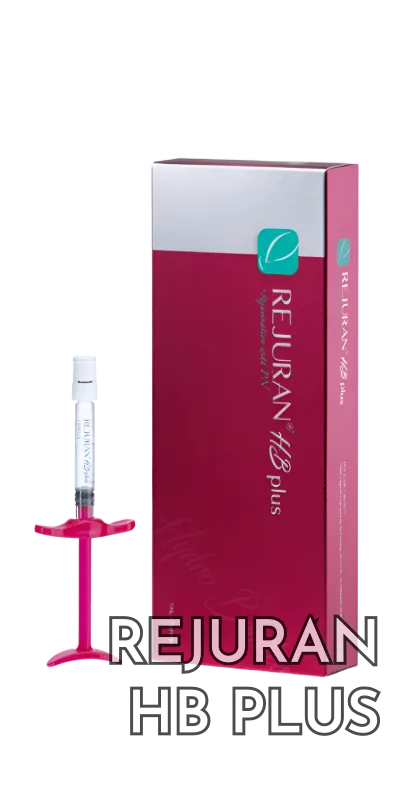
Rejuran HB
Used for skin that feels tight, parched, and rough in texture, with shallow fine lines. Polynucleotides induce collagen production while the hyaluronic acid included holds onto moisture, helping improve skin texture and inner dryness.
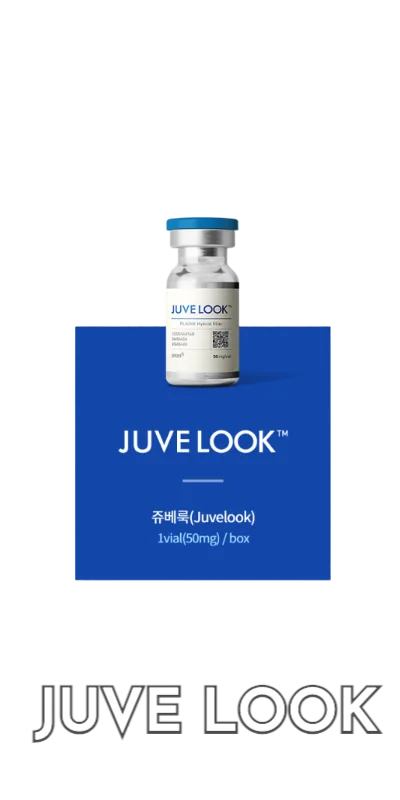
Juvelook
Used for concerns such as fine lines from loss of elasticity, enlarged pores, and thinning skin. Biodegradable PDLLA microparticles break down gradually in the dermis and induce your own collagen production, helping improve skin thickness and texture.
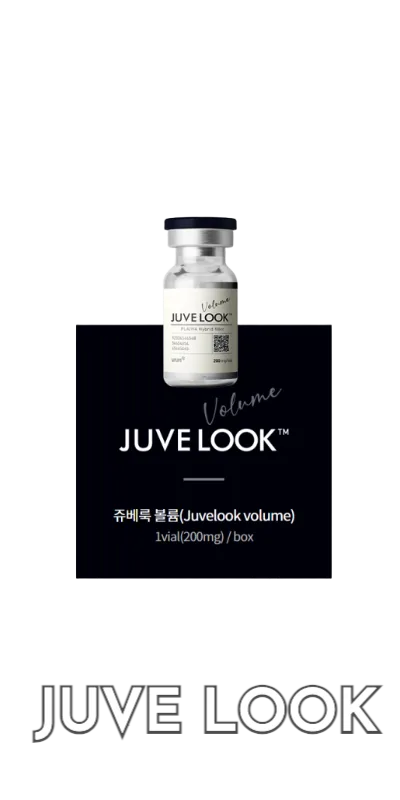
Juvelook Volume
Used for volume-loss concerns such as sunken cheeks, hollow temples, and a flattened front-cheek line. High-content PDLLA is injected in divided portions into the deep dermis and subcutaneous layer so that collagen gradually builds up, which helps improve volume progressively rather than by filling.
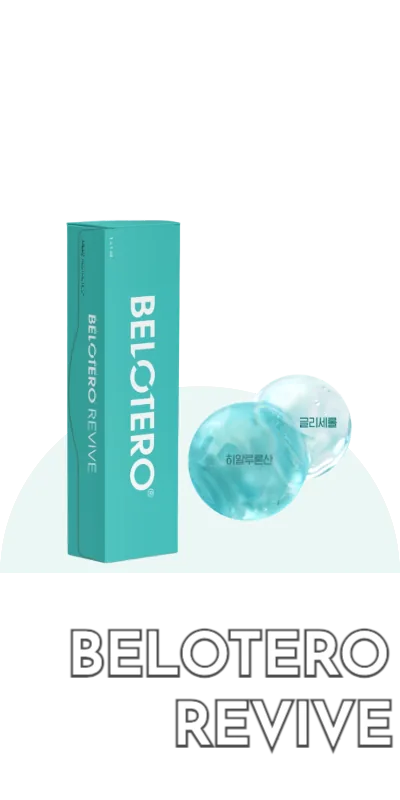
Belotero Revive
Used for skin lacking moisture and glow—dry, rough skin and a surface condition that makes makeup flake. A gel of hyaluronic acid plus glycerol is spread evenly through the cheek dermis to hold moisture in place, helping improve skin texture and radiance.
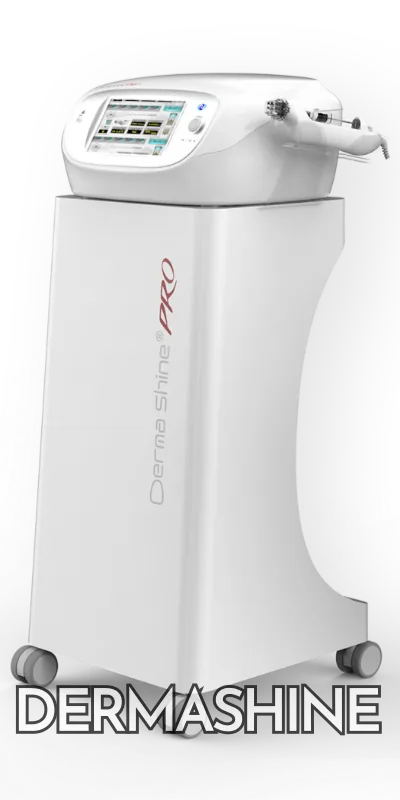
Dermashine
Used when the skin's overall foundation feels worn down — inner dryness across the face, rough texture, and stretched pores. After vacuum suction seals the handpiece against the skin, a multi-pin needle delivers uniform, divided doses into the dermis, helping improve hydration and skin texture.