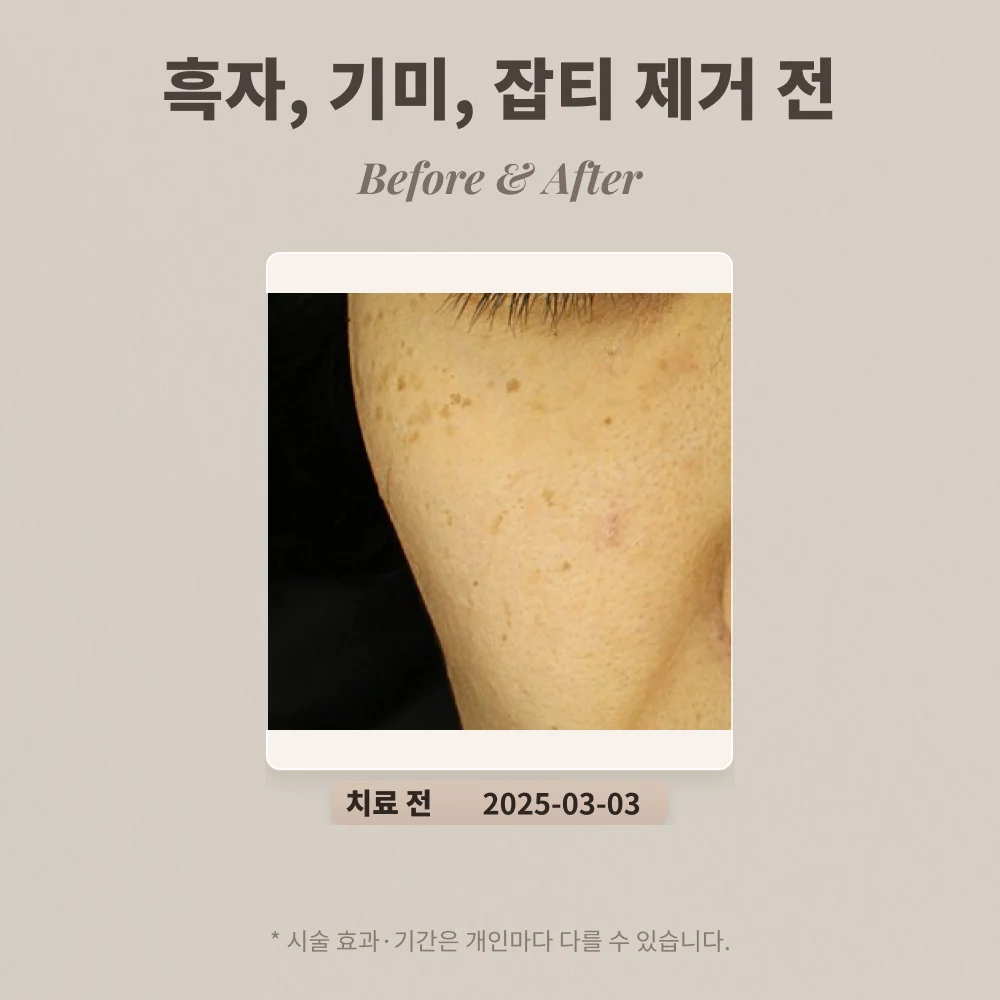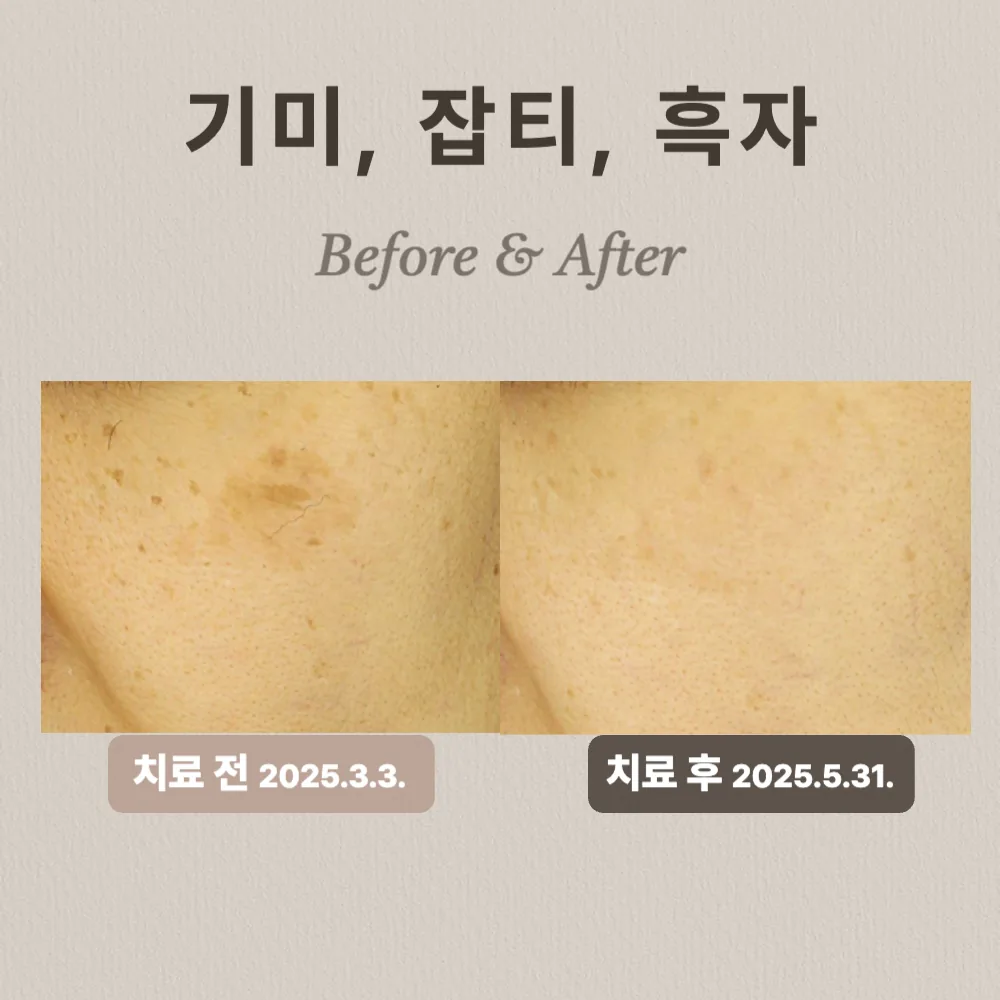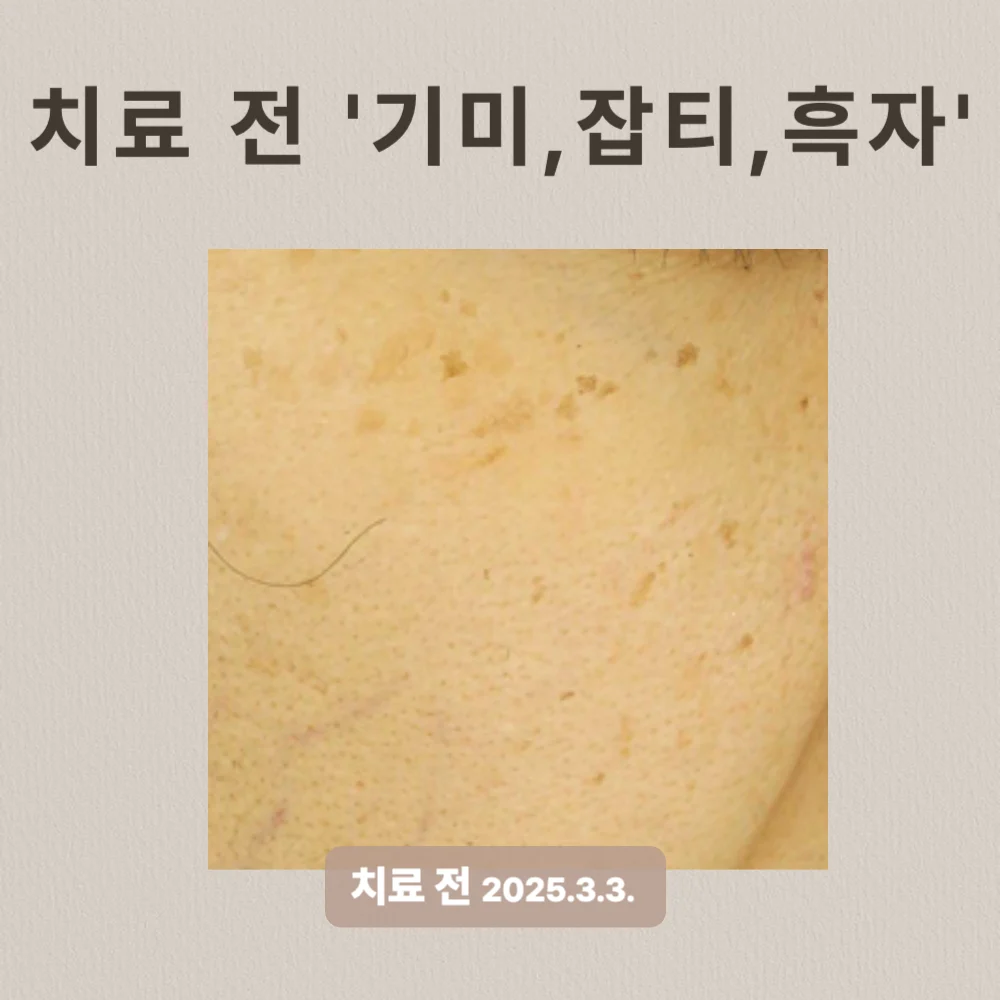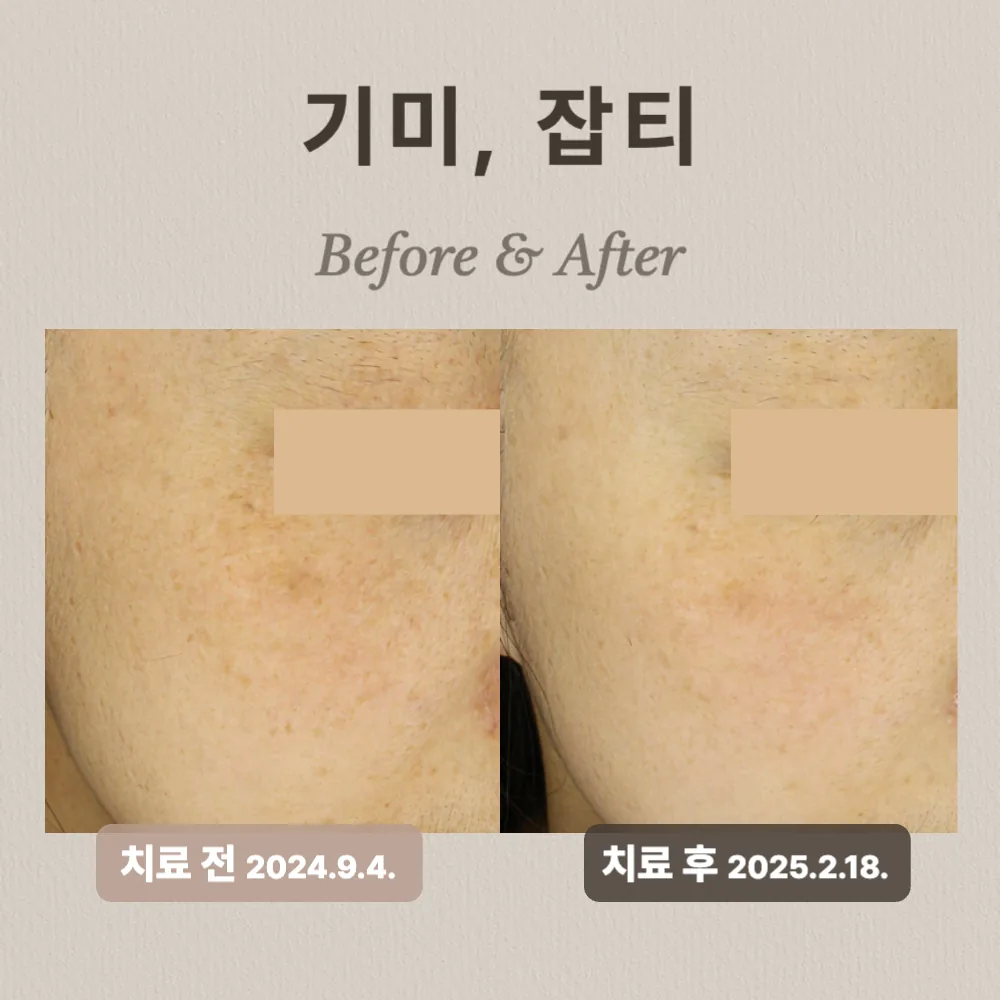

강남 대치동 피부과ㅣ루미인피부과ㅣ한티역 피부과 전문의

Pigmentation Care

Melasma and blemishes — about their treatment

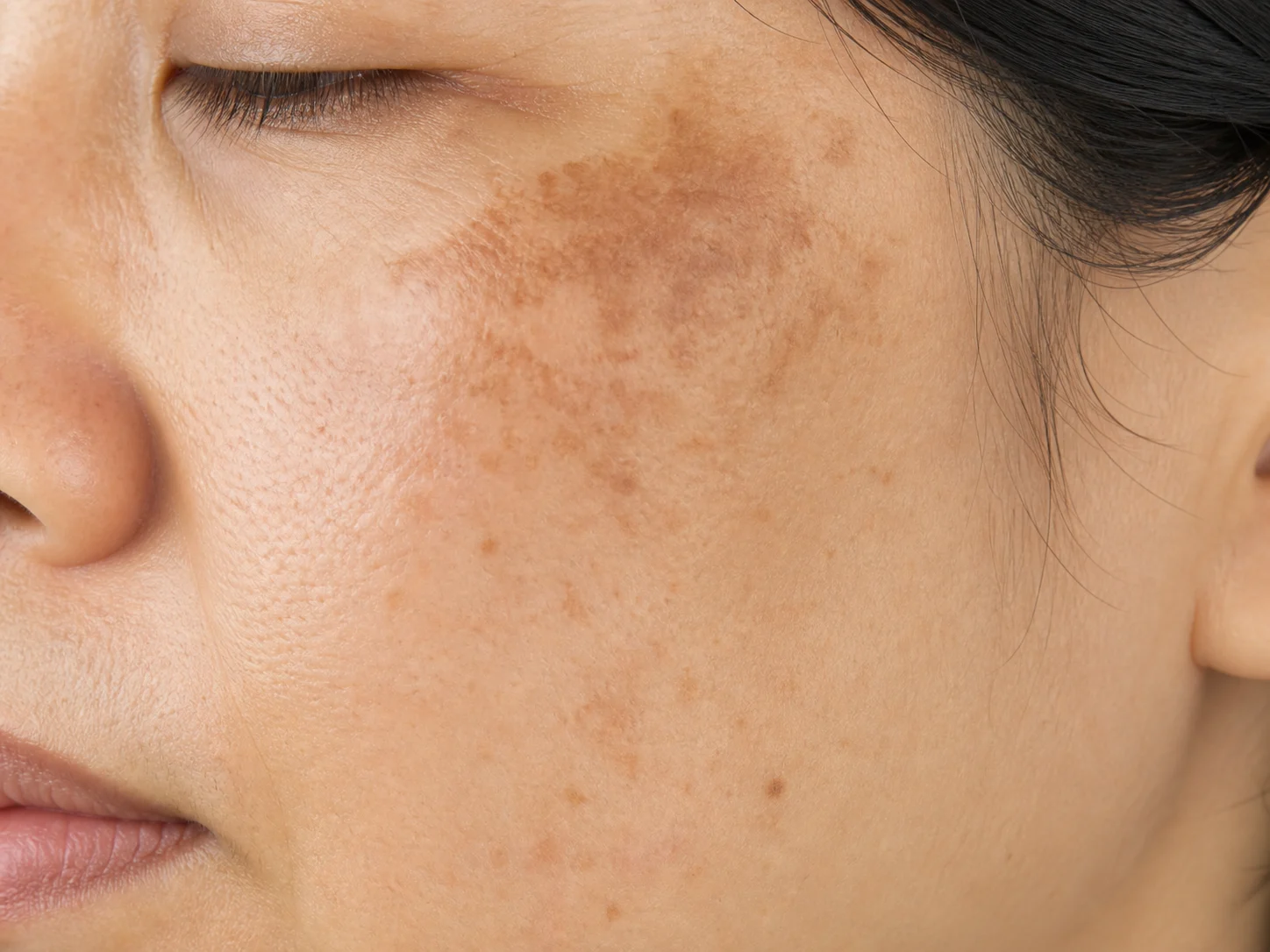
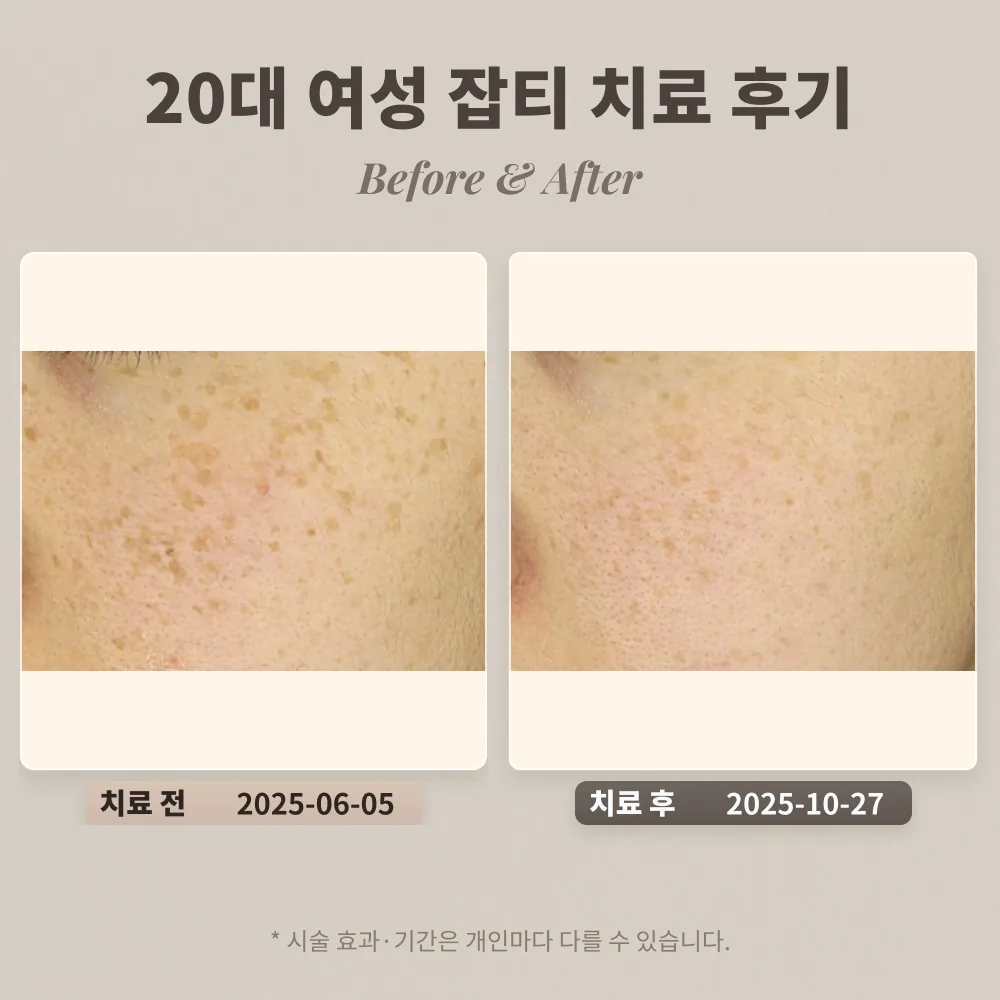
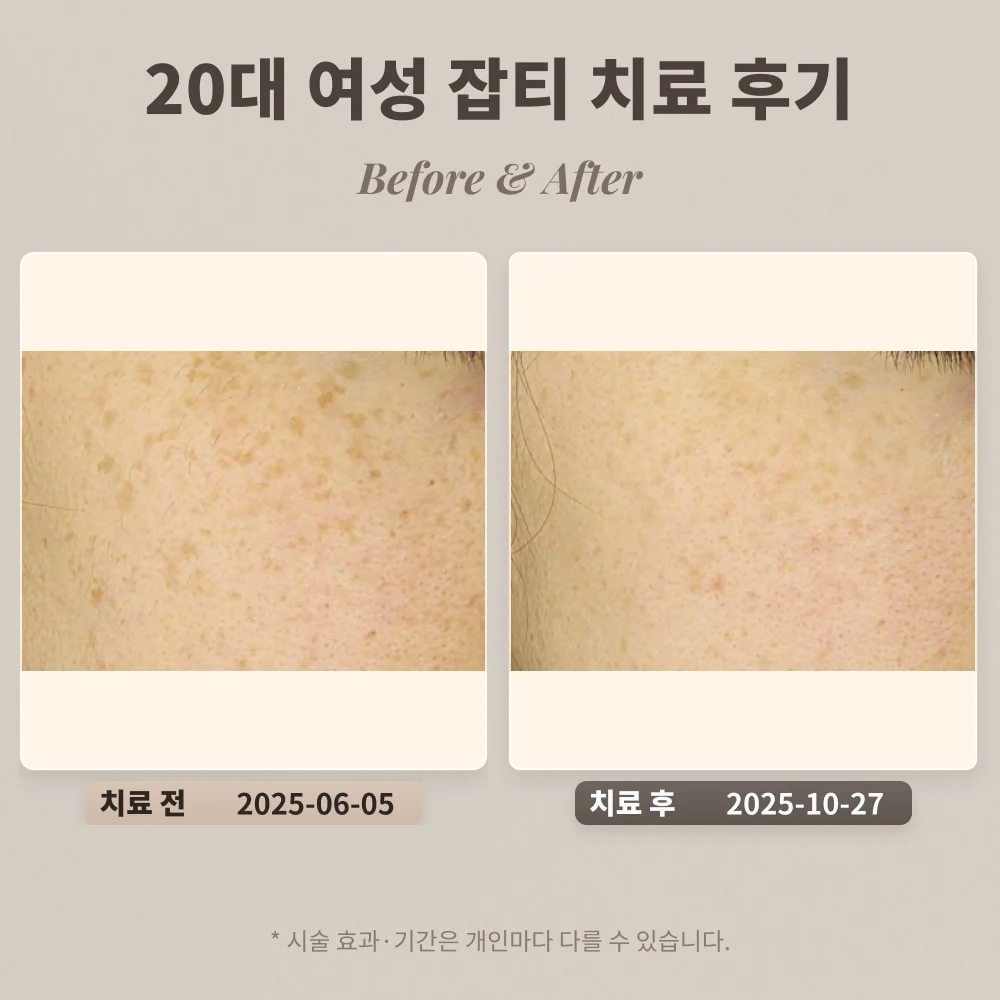
One day, looking in the mirror, you suddenly notice blemishes that weren't there before. At first you let them pass, but before you know it they grow darker and wider, and your whole skin tone starts to look dull. They stand out even more after a sun-heavy summer, and as they become harder to cover with makeup, the worry only deepens.

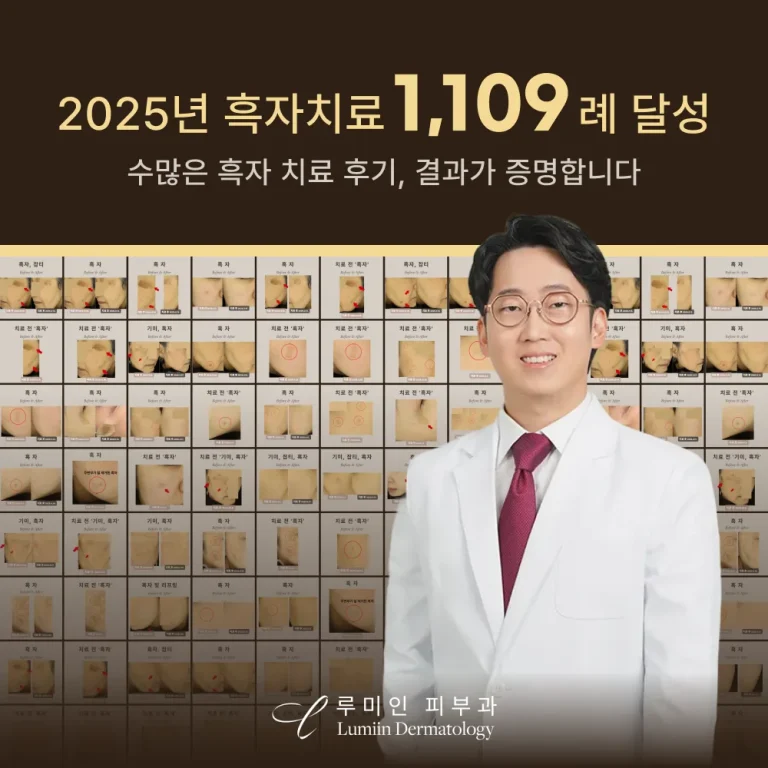
Dr. Jae-won Choi, Medical Director - board-certified dermatologist in charge of lifting and pigmentation disorders
SKIN
EXPERT

Meet Your Specialist

Jae-won Choi Medical Director

Board-certified dermatologist

Melasma and blemishes may look similar, but they are pigmentation disorders whose treatment approach differs depending on how deep the pigment sits. Medical Director Jae-won Choi, who leads our pigmentation care, designs the treatment plan based on an accurate diagnosis.

“Beyond simple treatment, we provide scientific skin solutions based on extensive clinical experience and proven procedures.”

  • M.D., Hanyang University College of Medicine
  • Dermatology residency, Asan Medical Center, Seoul
  • M.S. in Dermatology, University of Ulsan College of Medicine Graduate School
  • Best Presentation Award, Korean Dermatopathology Society (2018)

Melasma vs Blemishes

Melasma and blemishes —
how are they different?

At moments like these, many people visit a dermatology clinic wondering, ‘Is this melasma? Or just a blemish?’ Melasma and blemishes look alike but differ in cause and treatment — so what exactly sets them apart? Let's compare these two pigmentation disorders and look closely at which treatments are effective.

Melasma and blemishes are in fact alike in one respect: both are pigmentation disorders caused by melanin.

Melasma Mainly linked to hormonal changes and common in women. The pigment tends to darken with heavier UV exposure.
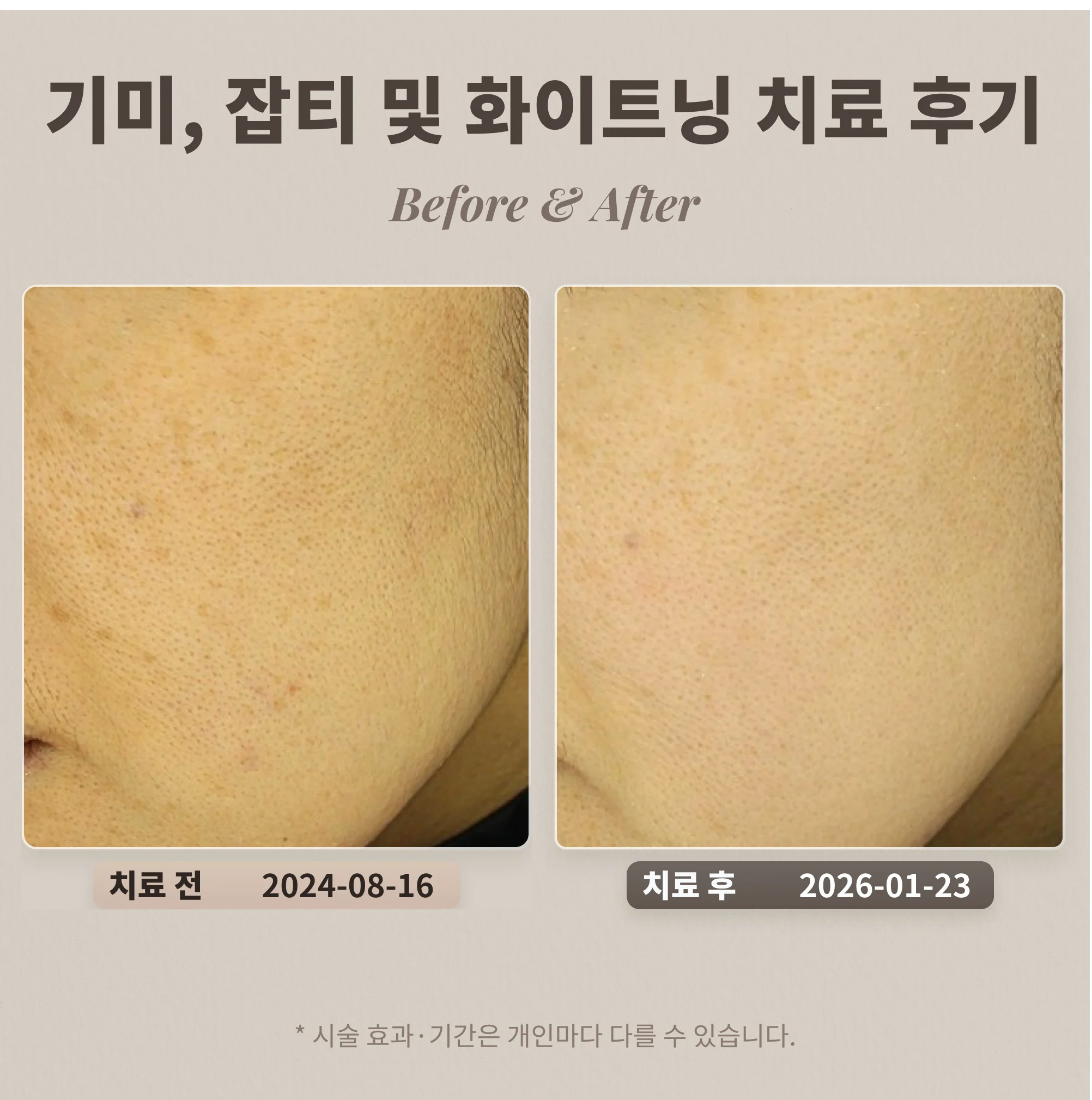
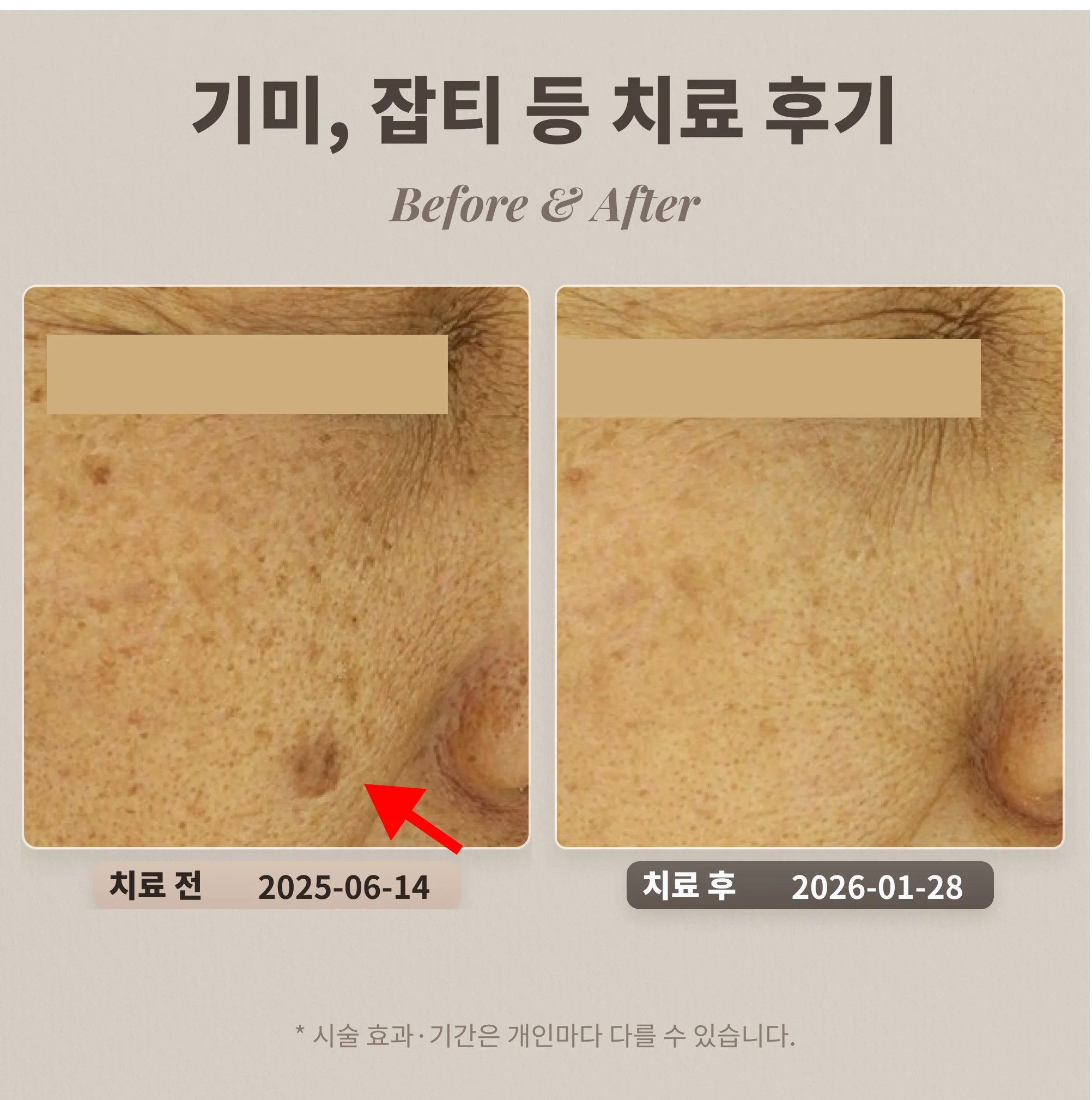
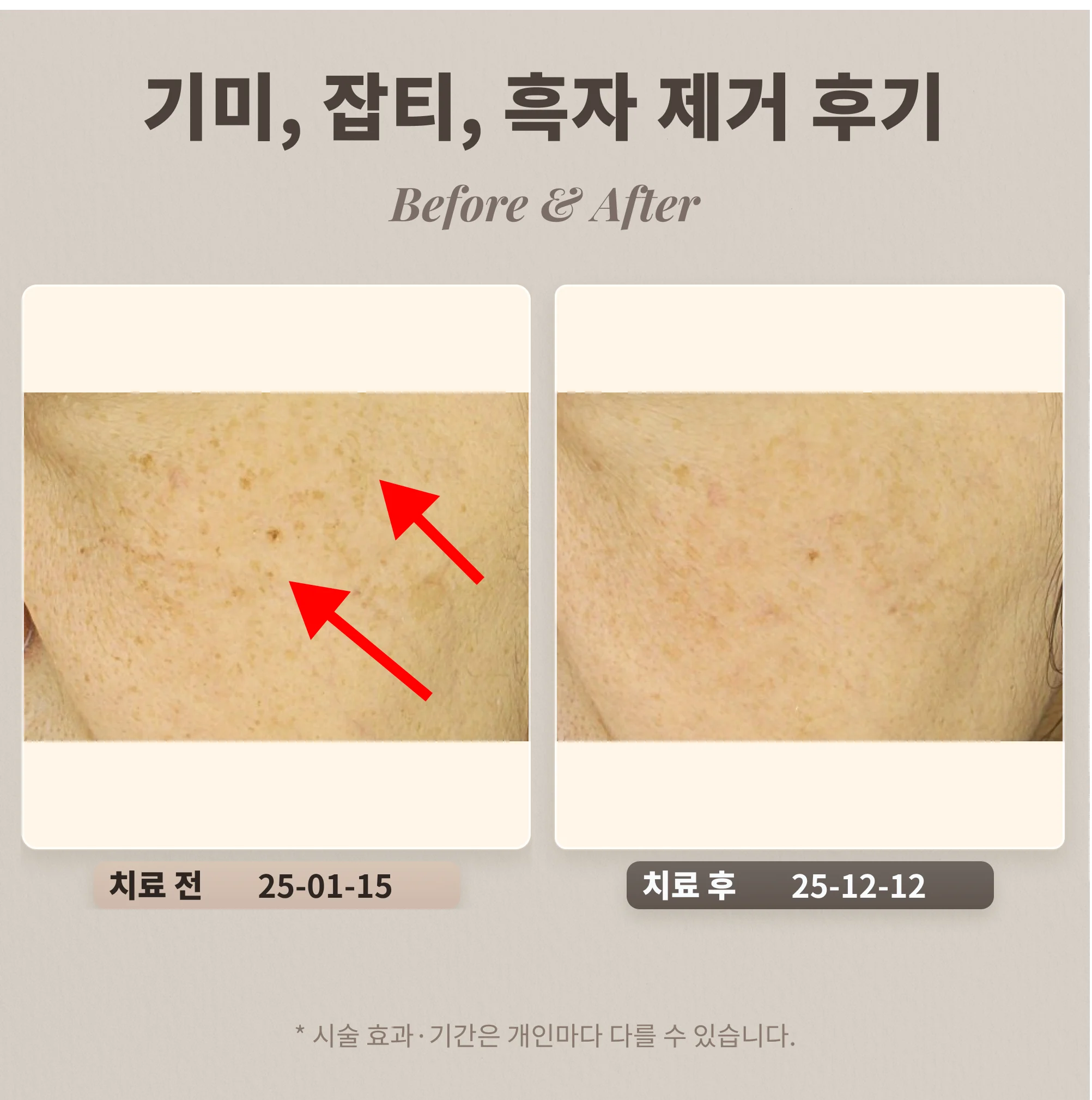
Blemishes (freckles · solar lentigines · PIH, etc.) Often arise from UV exposure, aging, or post-injury pigmentation of the skin.

However, the two differ in where the melanin is located. To lay it out more clearly in a table:

Category Melasma Blemishes (Lentigines, Freckles, PIH, etc.)
Features Irregular brown or gray patches Small brown spots (including freckles, solar lentigines, post-inflammatory hyperpigmentation)
Location Mainly cheekbones, forehead, cheeks, chin Sun-exposed areas such as the whole face, hands, neck, and arms
Depth Penetrates from the epidermis into the dermis (mixed types exist) Mostly located in the epidermis
Causes Hormonal changes (pregnancy, oral contraceptives), UV rays, genetic factors, inflammatory reactions UV rays, aging, post-injury pigmentation (PIH)
Treatment response Difficulty varies with depth (dermal melasma is hard to treat) Located in the epidermis, so response is relatively fast
Laser pigmentation treatment - a laser session matched to pigment depth

Why Depth Matters

Why does the
depth of pigmentation matter?

From a patient's point of view, distinguishing melasma from blemishes may not seem necessary — but for those treating them, which layer of the skin the pigment sits in is a critically important factor.

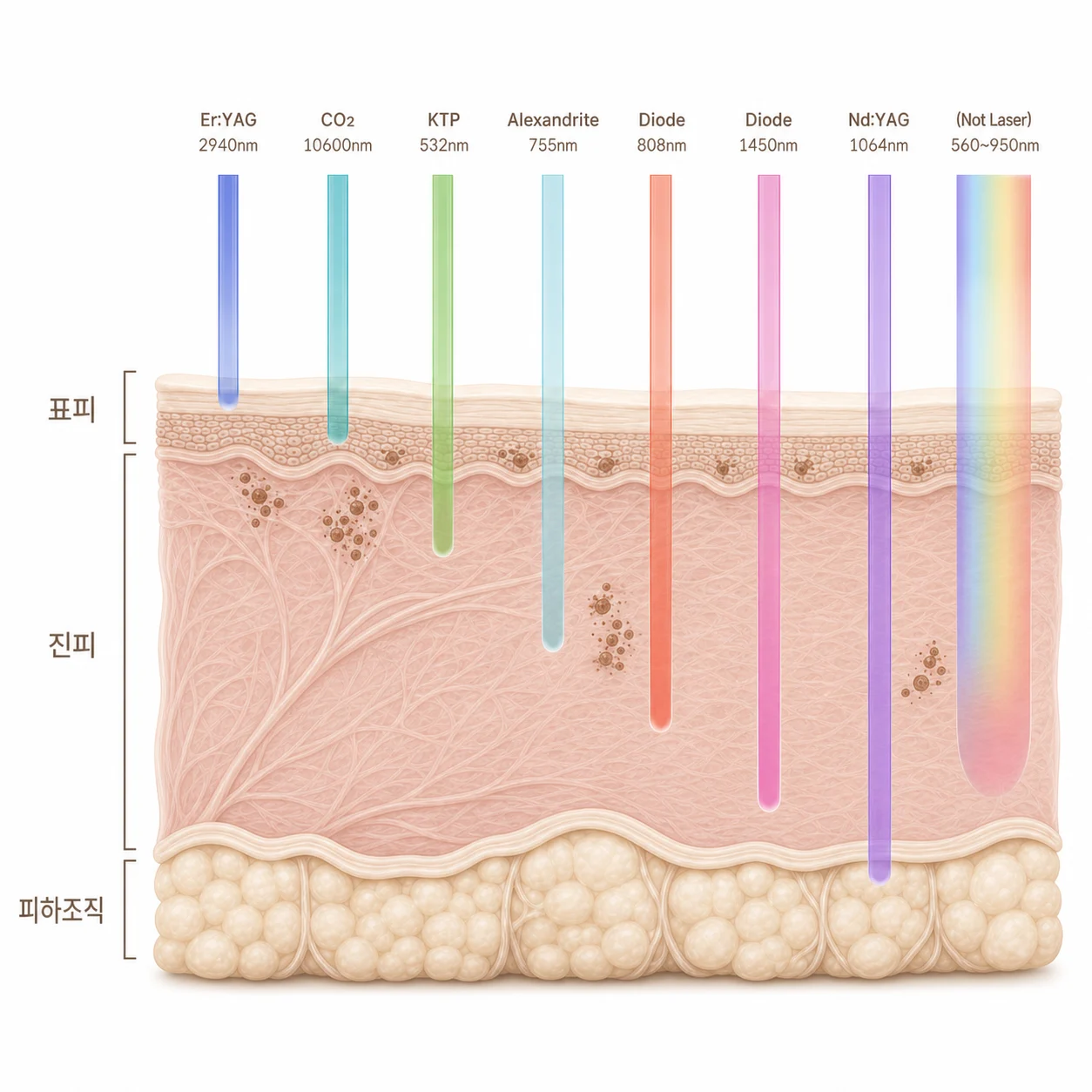
The skin has an epidermis (the outermost layer) and a dermis (the layer beneath it), and the treatment approach differs depending on which of these two layers the pigmentation occupies. For example, blemishes (freckles, solar lentigines, etc.) mostly sit in the epidermis, while melasma often has pigment deposited down into the dermis, making it harder to treat.

High-end Treatment Equipment

Why multiple pigment lasers
are needed!

Each laser device used in treatment is designed to reach a specific depth, and they differ in laser wavelength, pulse duration (how fast the energy is delivered), and output (power).

Epidermal pigmentation (blemishes · freckles) → Q-switched lasers, IPL, etc.
  • Use relatively short wavelengths (such as 532nm) to selectively destroy melanin in the epidermis
  • Relatively short recovery, with the pigment flaking off after treatment
Dermal pigmentation (melasma · nevus of Ota, etc.) → Pico lasers, low-fluence lasers, etc.
  • Use long wavelengths (such as 1064nm) to reach the deeper layers of the skin
  • Rather than destroying melanin directly, treatment often works by stabilizing the melanocytes

To treat pigmentation effectively, then, the key is not simply whether pigment is present but pinpointing which layer it sits in — and treating with the characteristics of each device taken into account accordingly.

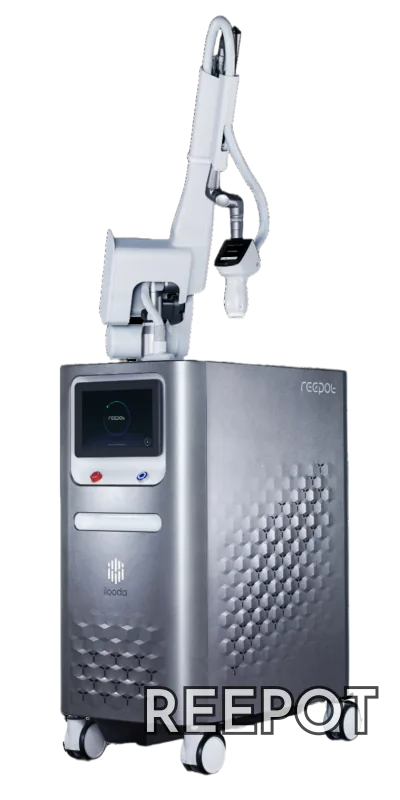
REEPOT laser device - a laser that selectively removes melanin pigment

REEPOT Laser

The REEPOT laser is a specialized laser that selectively removes melanin pigment, effective for treating age spots, solar lentigines, and stubborn pigmented lesions. It works by focusing high energy on the pigment to finely shatter the melanin particles, gradually fading the pigment and helping even out skin tone. With higher melanin absorption than conventional laser treatments, it enables faster and more effective pigment treatment, and its low recurrence rate is an advantage. It can also be applied to deep pigmented lesions, giving it a wide treatment range, and it minimizes the impact on surrounding normal tissue to reduce side effects. Pigment may temporarily darken for a period after treatment, but it gradually fades over time, revealing clearer, cleaner skin.
Concerns Age spots · Pigment treatment · Solar lentigines

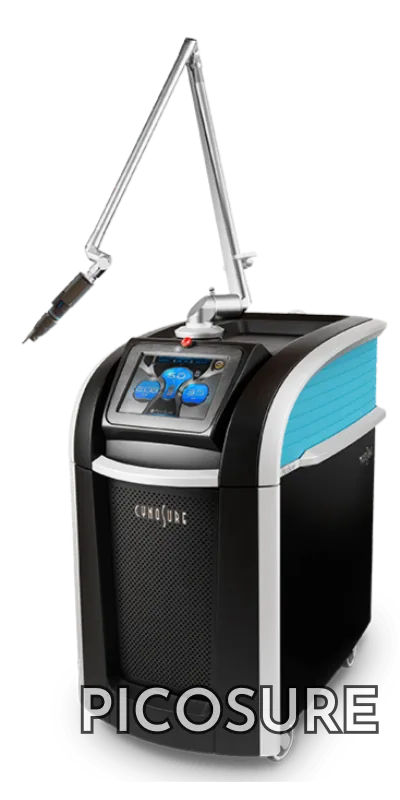
PicoSure device - 755nm picosecond laser

PicoSure

PicoSure is an innovative laser device that uses a 755nm picosecond laser to treat blemishes, pigmentation, tattoo removal, and skin texture concerns. It releases ultra-fast laser energy over a period 100 times shorter than conventional nanosecond lasers, breaking pigment down more finely while reducing thermal damage to surrounding tissue and minimizing side effects. It effectively treats a wide range of pigmented lesions, including melasma, nevus of Ota, freckles, and tattoos, while also stimulating collagen production within the skin to help improve elasticity and texture. With fewer sessions needed than conventional laser treatment and a shorter recovery period, it suits busy modern lifestyles.

Concerns Melasma · Tattoo removal · Pigmentation · Blemishes · Skin texture

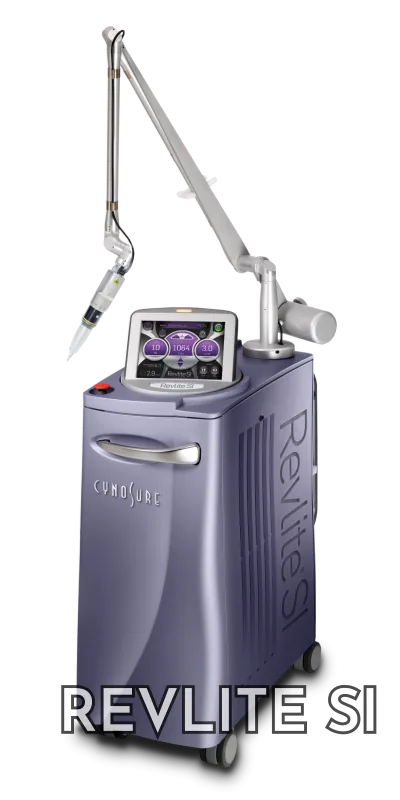
RevLite device - Q-switched Nd:YAG laser toning

RevLite

RevLite is a gentle laser toning device based on a Q-switched Nd:YAG laser, used to help improve melasma, blemishes, pigmentation, and redness. The laser energy reaches deep into the skin to break down melanin effectively while minimizing skin damage, allowing pigment treatment with relatively little burden. The laser's fine thermal stimulation also induces collagen production, so improvement in skin texture can be expected as well. It delivers more uniform energy than conventional laser toning, maximizing its brightening and blemish-fading effects, and it also helps with redness and telangiectasia. The skin may look slightly flushed right after the session, but recovery is quick and irritation minimal, causing little disruption to daily life.

Concerns Melasma · Pigmentation · Blemishes · Skin texture · Redness

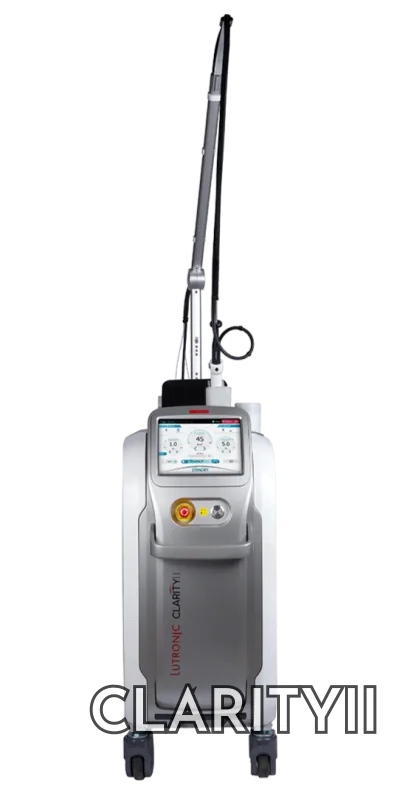
Clarity II device - dual-wavelength laser with Nd:YAG 1064nm and Alexandrite 755nm

Clarity II

A multi-function laser device using a dual-wavelength system combining Nd:YAG 1064nm and Alexandrite 755nm, capable of treating redness, blemishes, and telangiectasia as well as hair removal and skin elasticity improvement. It focuses high-output energy on melanin and blood vessels to remove pigmented lesions effectively while minimizing damage to the skin. It also stimulates the dermal layer to promote collagen production, helping improve elasticity and soften fine lines. Because laser output and pulse width are adjustable, individualized treatment can be tailored to a wide range of skin types and concerns. The skin may flush temporarily after treatment, but recovery is relatively quick and pain is mild, with little disruption to daily life.

Concerns Telangiectasia · Red acne marks · Blemishes · Hair removal · Skin elasticity · Redness

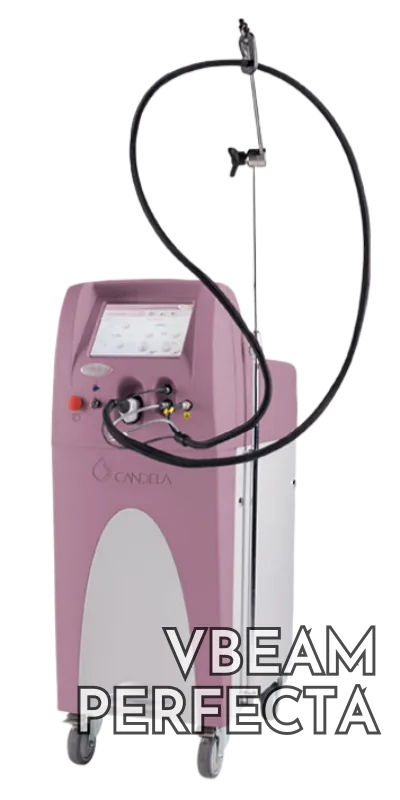
Vbeam Perfecta device - 595nm pulsed-dye vascular laser

Vbeam Perfecta

Vbeam Perfecta is a laser device that uses a 595nm pulsed-dye laser to treat vascular conditions such as facial redness, rosacea, red acne marks, and telangiectasia. It selectively targets blood vessels to reduce pigment and calm redness, while also promoting skin regeneration to help even out skin tone. It is particularly effective for chronic flushing caused by rosacea and for the red traces left after acne inflammation, and it induces collagen production within the skin to help improve overall elasticity. Fine thermal stimulation is applied during treatment, but a cooling system keeps discomfort low; the skin may flush temporarily after the session but recovers quickly.

Concerns Telangiectasia · Red acne marks · Rosacea · Vascular lesions · Redness

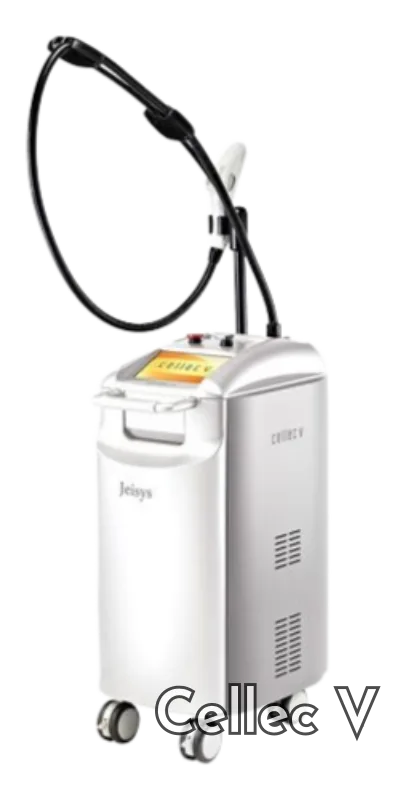
Cellec V device - IPL combined light therapy system with 9 filters

Cellec V

Cellec V is a device based on IPL (Intense Pulsed Light) technology, distinguished by its 9 filters that allow customized treatment for a wide range of skin concerns. It calms redness and telangiectasia and is effective in improving pigmented lesions such as melasma, blemishes, and freckles. It is also used to suppress acne bacteria, reduce inflammation, and soften acne marks. It helps increase skin elasticity and improve pores, and a hair-removal effect targeting melanin pigment can be expected as well. With its patented cooling system, discomfort during treatment is low, and with no scab formation or severe redness afterward, a quick return to daily life is possible. The skin may flush temporarily after the session but gradually improves over time, and with consistent care it helps maintain a clear, even skin tone.

Concerns Melasma · Pigmentation · Red acne marks · Rosacea · Vascular dilation · Redness

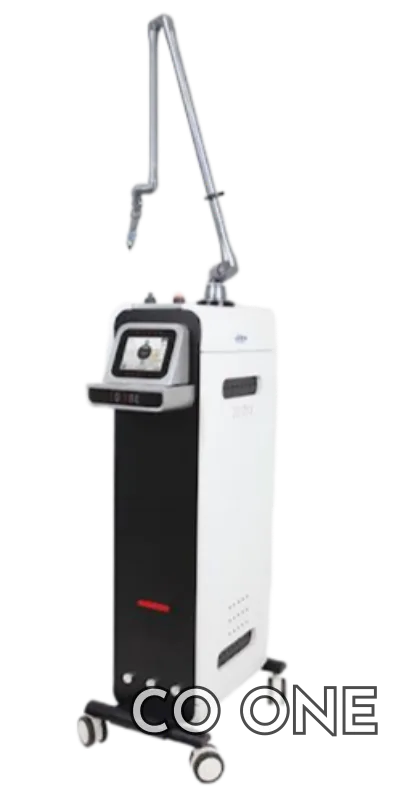
Lumiin Dermatology CO ONE - CO₂ laser device

CO ONE

The CO₂ laser is a device that treats pigmented lesions such as moles, age spots, and warts effectively by precisely removing the skin surface. It delivers high energy in an instant to selectively remove only the target tissue, with minimal impact on the surrounding skin to reduce side effects. It is especially effective for removing deep pigmented lesions, raised warts, and calluses, and is also used to improve scars. A scab forms after the laser session, and as the skin regenerates it recovers to a cleaner state. Downtime is relatively short, and with thorough moisturizing and sun protection after the procedure, recovery can be swift.

Concerns Age spots · Warts · Acne scars · Moles

Toning Explained

Standard toning,
dual toning, quattro toning?

Now let us explain the ‘toning’ so many people talk about, along with dual toning and quattro toning. Put simply, ‘toning’ is the umbrella term for laser treatments that brighten and even out skin tone.

01. Standard Toning

Performed with a single laser, it's standard toning;

02. Dual Toning

using two laser devices makes it dual toning;

03. Quattro Toning

and combining four lasers is called quattro toning.

The reason laser types and combinations have diversified like this is that each pigment depth and characteristic needs to be targeted differently. Using lasers of different wavelengths makes it possible to remove even deeper-seated pigment effectively.

Hyperpigmentation - skin where over-stimulated melanin has darkened the pigment

Handle Melanin With Care

Can't you just fire them all together
everywhere to destroy the melanin?

No. If melanin is stimulated the wrong way, it can actually get worse.

Selective removal is key The most important thing in laser treatment is removing only the unwanted melanin, selectively.
Watch out for hyperpigmentation When melanocytes receive excessive stimulation, a side effect can occur where the pigment actually darkens. Melanin is sensitive to stimulation, and handled wrongly, even more melanin rises to the surface - commonly called hyperpigmentation.
A specialist's know-how That is why the know-how and meticulous technique of an experienced board-certified dermatologist are essential.

So the key is adjusting the laser depth precisely to the lesion and avoiding any unnecessary stimulation of the melanocytes.

Book a Pre-Treatment Consultation

Begin Your Skin Journey

For a skin tone that's grown dull,
start with an accurate diagnosis

Through a one-on-one consultation, we identify the exact type and depth of the pigment and propose the treatment to match.

02-565-8273 Book a Consultation
3F SH Tower, 324 Seolleung-ro, Gangnam-gu, Seoul · 3 min from Hanti Station · 6 min from Seolleung Station Weekdays 10:00–20:00 (lunch 13:00–14:00) · Sat 09:30–15:30 open through lunch Closed on Sundays and public holidays