강남 대치동 피부과ㅣ루미인피부과ㅣ한티역 피부과 전문의

Excimer Laser 308nm Phototherapy

Excimer Laser
Phototherapy for Psoriasis and Vitiligo

Vitiligo and psoriasis are both conditions that show up on the skin, yet judged by symptoms alone they look entirely different. In vitiligo the skin loses its pigment, whereas in psoriasis the skin thickens and reddens. Both conditions, however, are linked to an abnormal immune response, and their treatments have much in common.

In particular, the excimer laser (308nm ultraviolet therapy) is used as an effective treatment for both vitiligo and psoriasis. Ultraviolet light is commonly known to be harmful to the skin, but the excimer laser harnesses only its positive effects, helping regulate skin immunity and support cell recovery.

We will compare the causes and treatments of vitiligo and psoriasis, and look closely at why the excimer laser is effective for both. We will also examine why ultraviolet light is not necessarily harmful — and what we often get wrong about it.

Head Director Jiho Choi - board-certified dermatologist in charge of vitiligo and psoriasis, Honorary Professor of Dermatology at Asan Medical Center, Seoul
SKIN
EXPERT

Meet Your Specialist

Jiho Choi Head Director

Board-certified dermatologist · Honorary Professor of Dermatology, Asan Medical Center, Seoul - in charge of vitiligo and psoriasis care

Vitiligo and psoriasis are both rooted in an abnormal immune response, so phototherapy — including the excimer laser — serves as a core treatment. At Lumiin Dermatology, Head Director Jiho Choi, who oversees vitiligo and psoriasis care, is involved from diagnosis through treatment planning.

"With cosmetic lasers and phototherapy that harness the power of light, we provide the optimal treatment tailored to each person's skin concerns."

  • Doctor of Medicine (PhD), Seoul National University College of Medicine
  • Director, Skin Cancer Center, Asan Medical Center, Seoul
  • Chair Professor of Dermatology and Head of the Department of Dermatology, University of Ulsan College of Medicine, Asan Medical Center
  • President, Korean Dermatological Association · Korean Society for Psoriasis · Korean Society for Skin Immunology

Specialty Vitiligo · Psoriasis

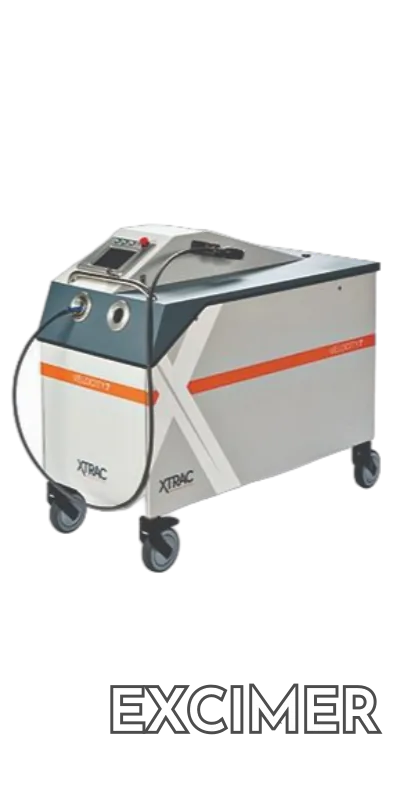
XTRAC excimer laser device - a phototherapy laser that precisely delivers 308nm ultraviolet light to the lesion

About the Treatment

What is the excimer laser?

The excimer laser is a treatment that uses ultraviolet light at a wavelength of 308nm, precisely targeting specific areas to treat vitiligo and psoriasis.

We tend to think of ultraviolet light as causing skin aging and skin cancer, but in fact an appropriate amount of UV can have a positive influence on immune regulation and skin recovery.

The excimer laser selectively harnesses only the beneficial effects of ultraviolet light, maximizing the treatment effect while minimizing skin damage.

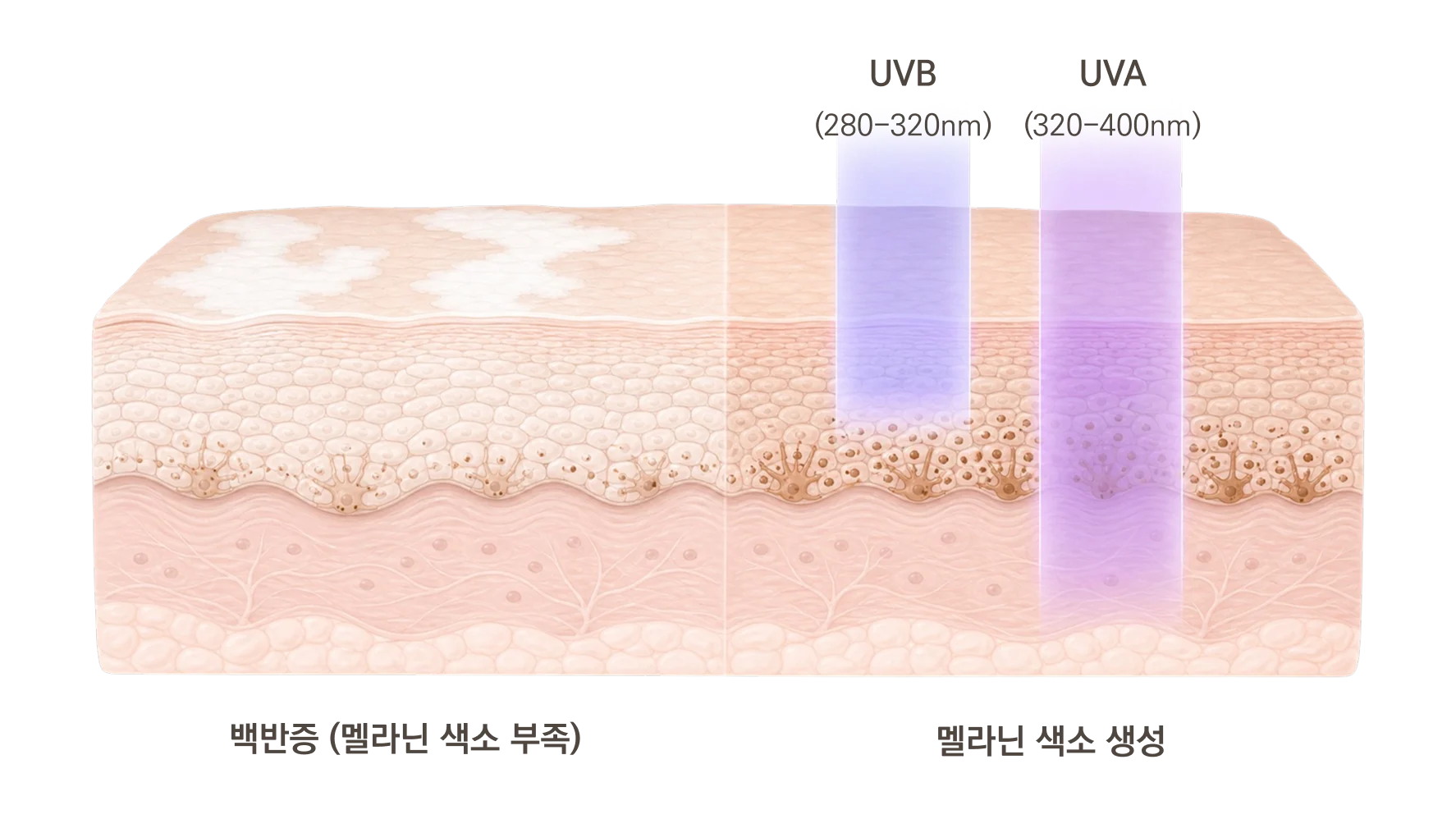
Diagram of how phototherapy works - irradiating vitiligo-affected skin lacking melanin with UVB (280~320nm) and UVA (320~400nm) induces melanin pigment production
How phototherapy works - ultraviolet (UVB·UVA) irradiation induces melanin pigment production.

How It Works

The excimer laser,
why it is effective for vitiligo and psoriasis

Though the two conditions show different symptoms, the excimer laser acts on the cause they share: an abnormal immune response.

01. Why it is effective for vitiligo

Vitiligo is a condition in which the skin's melanocytes are damaged or lost, causing the skin to lose its pigment. Because the immune system often becomes overactive and attacks the melanocytes, immune regulation — not just the pigment itself — becomes a key element of treatment.

  • Activating melanocytes The 308nm ultraviolet light stimulates the skin, promoting melanocyte activity and helping restore pigment.
  • Immune-regulating action It keeps the overactive immune system from destroying melanocytes, suppressing pigment loss and promoting recovery.
  • Promoting vitamin D synthesis Vitamin D supports immune regulation and can have a positive influence on vitiligo treatment. The excimer laser promotes vitamin D synthesis in the skin, helping restore immune balance.
  • Faster treatment response It stimulates melanin production in a shorter time than conventional phototherapy (NB-UVB), so the treatment period can be shortened.
02. Why it is effective for psoriasis

Psoriasis is a chronic skin condition in which an immune system abnormality causes skin cells to multiply more than 10 times faster than normal, resulting in inflammation. Unlike vitiligo, it is characterized by thickened skin, red patches, and scaling.

  • Suppressing immune overreaction In psoriasis, immune cells (T cells) become excessively activated and trigger inflammation. The excimer laser modulates the immune response to calm the inflammation.
  • Curbing abnormal skin cell proliferation In psoriasis, skin cells (keratinocytes) multiply abnormally fast, forming a thick scaly layer. The excimer laser brings this excessive proliferation back toward normal levels, helping the skin recover to a healthy state.
  • Promoting vitamin D synthesis Vitamin D not only regulates immunity but also normalizes the growth and differentiation of skin cells. The excimer laser promotes vitamin D production, which can help ease psoriasis symptoms.
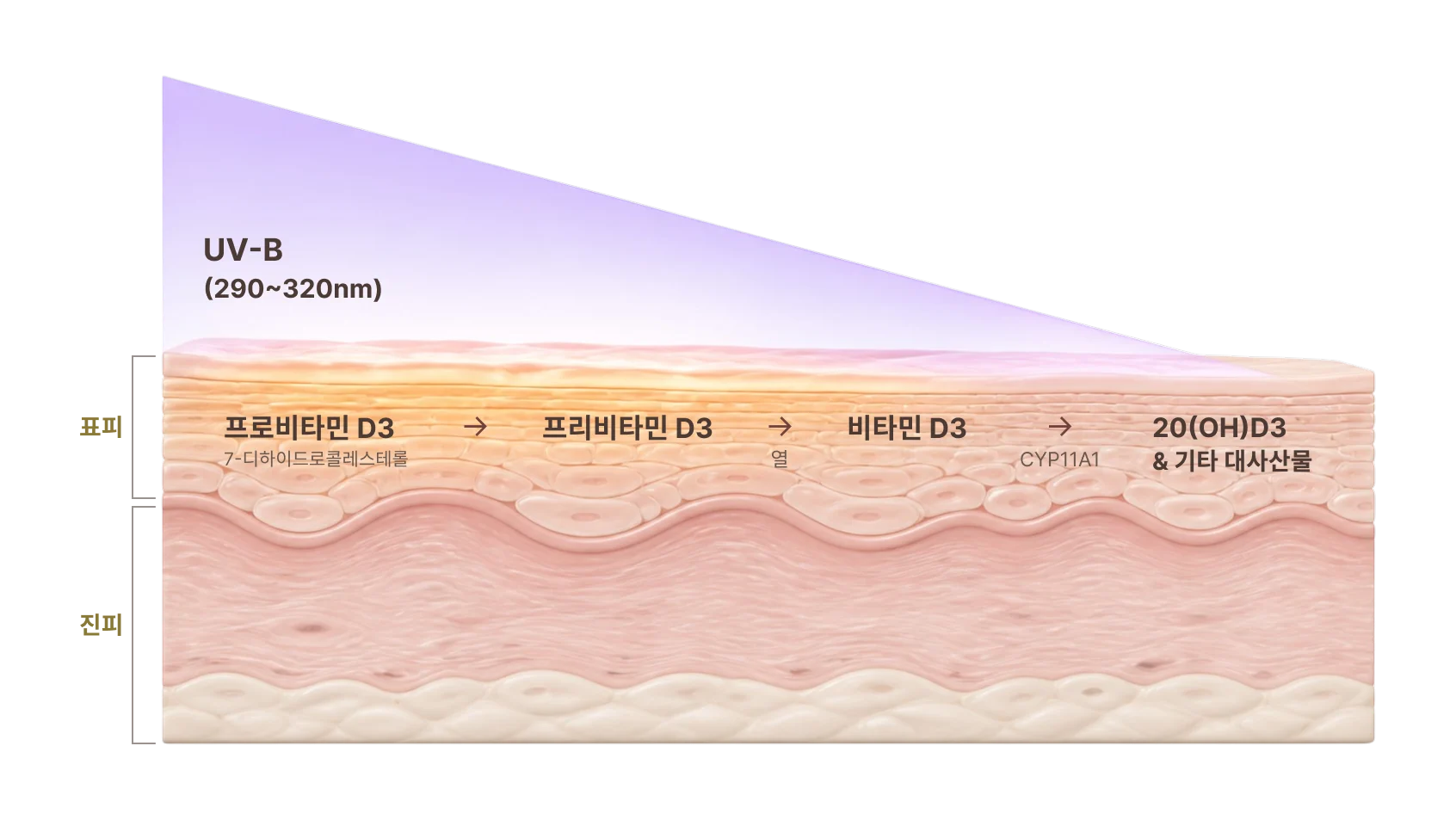
Diagram of ultraviolet light and vitamin D production - UV-B (290~320nm) converting provitamin D3 into vitamin D3 in the epidermis
Ultraviolet light and the vitamin D production process

Why 308nm Wavelength

For psoriasis and vitiligo,
why the 308nm laser ?

01 Reaches the basal layer of the epidermis precisely
  • Vitiligo arises in the basal layer of the epidermis, where the melanocytes reside
  • The 308nm wavelength is optimized for the depth where melanocytes sit (50~150μm)
02 Stimulates melanocyte activity
  • Selectively delivers a specific wavelength within the UVB range
  • Stimulates melanocytes to activate melanin production
03 Immune-regulating effect
  • Vitiligo is associated with autoimmune disease
  • The excimer laser modulates immune cells (T cells) to curb the progression of vitiligo

High-end Treatment Equipment

Psoriasis · Vitiligo
Phototherapy Equipment

Depending on the site and extent of the lesions, we operate the excimer laser alongside full-body and localized UV phototherapy units.

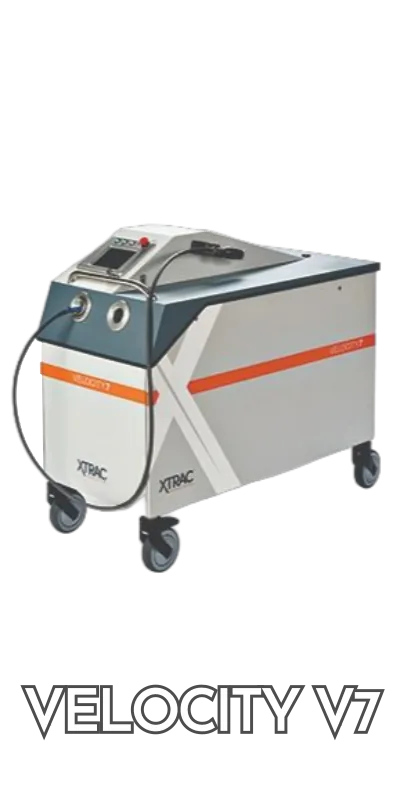
Velocity Excimer Laser V7 (XTRAC Velocity V7) - a 308nm-wavelength excimer laser device

Velocity Excimer Laser V7

The Velocity excimer laser is a specialized laser device that uses 308nm ultraviolet light for the treatment of vitiligo, psoriasis, alopecia areata, and more. It works by selectively irradiating only the lesion, modulating the skin's immune response and promoting pigment regeneration. Using higher energy than conventional phototherapy, it enables effective treatment in a short time, and because it leaves the surrounding healthy skin unaffected, it offers a high level of safety. For vitiligo and psoriasis in particular, faster results than conventional treatment can be expected, and consistent treatment can steadily improve the skin's condition.

Related Skin Concerns Psoriasis · Vitiligo · Alopecia areata · Reduced skin inflammation
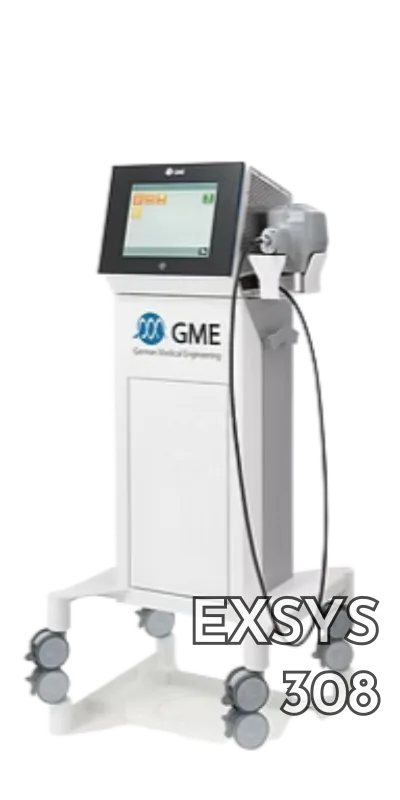
Excimer Light (EXSYS 308) - a phototherapy device that locally delivers 308nm ultraviolet light to the lesion

Excimer Light

The excimer light is a portable phototherapy device using 308nm ultraviolet light, mainly used to treat vitiligo, psoriasis, and alopecia areata. It works by irradiating only the localized lesion, inducing immune regulation in the skin and promoting pigment regeneration. Because it can be aimed directly at the lesion, precise treatment is possible, and it has the advantage of costing less than a standard excimer laser. Results can be expected with 2~3 sessions per week, and continued treatment can lead to an improvement in symptoms.

Related Skin Concerns Psoriasis · Vitiligo · Alopecia areata
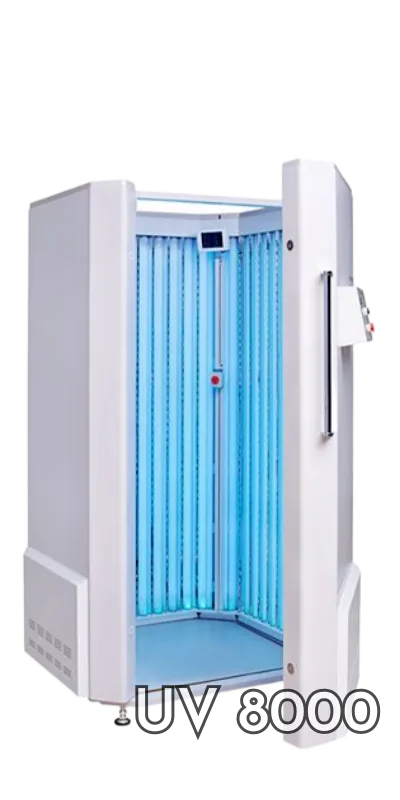
Full-body UV phototherapy unit UV 8000 N.B - a phototherapy booth treating the whole body with 311nm narrowband UVB

Full-body UV Phototherapy Unit (UV 8000 N.B)

The UV 8000 N.B is a medical phototherapy device that uses narrowband 311nm UVB light to treat immune-related skin conditions such as vitiligo, psoriasis, and atopic dermatitis. It modulates the immune response to ease inflammation and promotes the recovery of skin cells. Because it allows full-body treatment, it is well suited to patients whose symptoms cover large areas, and repeated sessions can relieve symptoms. It has fewer side effects than other phototherapy methods and helps the skin stay healthy after treatment. The skin may redden slightly during the course of treatment, but it recovers naturally with time.

Related Skin Concerns Psoriasis · Vitiligo · Atopic dermatitis · Skin inflammation control
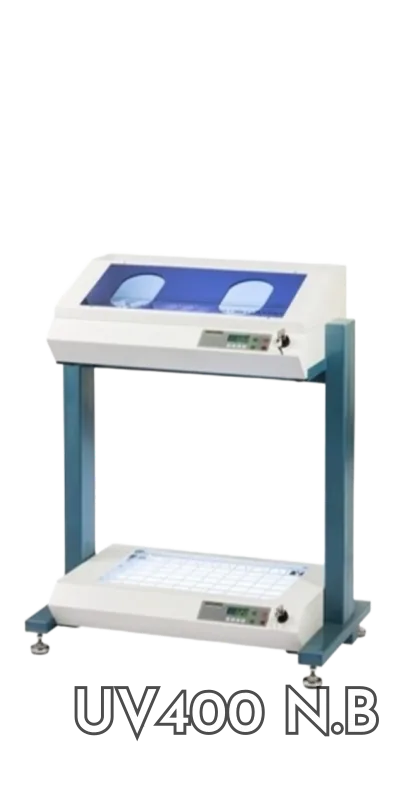
Hand and foot UV phototherapy unit UV400 N.B - a 311nm UVB phototherapy device dedicated to the hands and feet

Hand and Foot UV Phototherapy Unit

The hand and foot UV unit is a specialized phototherapy device used mainly to treat psoriasis, eczema, and similar conditions occurring on the hands and feet. Using 311nm UVB light, it modulates the skin's immune response, eases inflammation, and promotes skin recovery. The hands and feet are often harder to treat than other areas, but with this device symptoms can be improved effectively. The skin may redden slightly during treatment, but it recovers naturally over time. Regular sessions allow the symptoms to be managed effectively.

Related Skin Concerns Psoriasis · Vitiligo

Excimer Laser = UV Phototherapy

Excimer laser = UV phototherapy,
ultraviolet light is not necessarily harmful!

Ultraviolet light can cause skin damage, but in the right amount it actually plays an important role in protecting your health.

01. Immune regulation

It regulates the immune abnormalities behind autoimmune conditions (vitiligo, psoriasis).

02. Promoting vitamin D synthesis

It plays an essential role not only in bone health but also in strengthening immunity.

03. Promoting skin cell recovery

It induces skin cell regeneration, maximizing the treatment effect.

The excimer laser selectively harnesses only these positive effects of ultraviolet light,
treating the skin while keeping damage to a minimum.

Vitiligo FAQ

About vitiligo
frequently asked questions and answers

Q. Will my skin color come back with treatment?

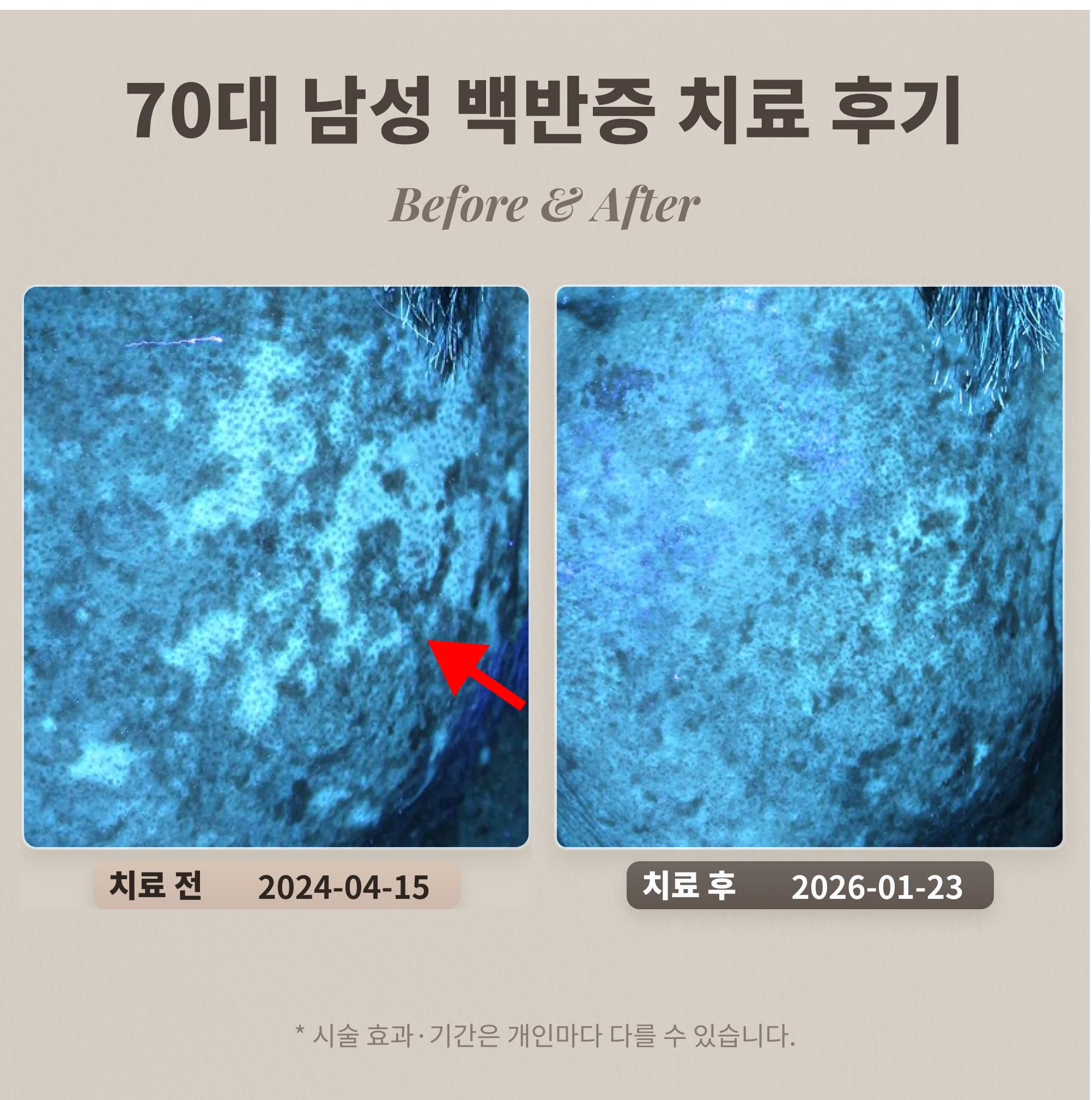
The main goal of vitiligo treatment is to recover at least part of the lost skin color. How much pigment returns, and how quickly, varies from person to person, but improvement generally comes slowly and gradually.

For example, when phototherapy or ointment treatment is continued for several months or more, pigment cells regenerate within the white patches as small brown spots that spread outward, and the skin color begins to return. It is difficult, however, for the original skin color to be fully restored all at once; partial repigmentation usually occurs gradually. Pigment gained through treatment can also fade again over time, so maintenance treatment may be needed to sustain the results. Rather than thinking in terms of a complete cure, it is more realistic to focus on continuous management — recovering as much skin color as possible and keeping the condition from worsening.

Q. How does vitiligo progress — does it spread quickly? Can it be stopped?

The speed and pattern of vitiligo's progression differ from person to person and are difficult to predict. It generally tends to progress slowly, but at times it can spread rapidly. In active vitiligo, where new patches keep appearing, treatments such as a short course of oral corticosteroids (e.g., prednisone) can be tried to slow the progression. Meanwhile, segmental vitiligo, which is confined to one side of the body, usually begins at a young age, progresses quickly for about 6~12 months, and then typically stops. Non-segmental vitiligo (the common form appearing across the body) has no definite point at which progression fully stops, but treatment can suppress the spread of the patches or slow it down.

Q. Is vitiligo contagious?

No. Vitiligo is not a contagious disease. It is not caused by bacterial or viral infection, and it cannot be passed on through contact with a patient. It is a non-infectious skin condition arising from an autoimmune abnormality, so skin contact or sharing daily life with someone who has vitiligo carries no risk of transmission whatsoever — you can be completely at ease.

Q. What lifestyle habits should vitiligo patients be careful about?

With vitiligo, daily care and lifestyle habits matter too. Following the skin care and lifestyle guidelines below helps prevent the condition from worsening and keeps the skin healthy.

Sun protection
  • Use sunscreen of SPF 30~50 or higher
  • Protect the skin with long clothing, hats, and parasols
  • Avoid artificial tanning and excessive sun exposure
Preventing skin trauma
  • Watch out for wounds, burns, and friction (to prevent the Koebner phenomenon)
  • Cut down on scratching and rubbing habits
Ways to even out skin color
  • Makeup, self-tanning lotions, and skin dyes can be used
  • Tattoos should be avoided as they can damage the skin
Nutrition
  • Eat foods rich in vitamin D (oily fish and the like)
  • If needed, take vitamin D supplements after consulting your doctor
Stress management
  • Get sufficient rest and sleep
  • Make use of regular exercise and relaxation techniques
  • If psychological distress is significant, professional counseling is recommended
Q. Does vitiligo appear differently depending on age or skin color?

Vitiligo is a condition that can affect anyone, regardless of age or ethnicity. It appears in roughly 0.5~2% of the world's population, occurring at nearly the same rate irrespective of skin color or ethnicity. How noticeable it is, however, can differ with skin tone. In people with darker skin or those who tan easily, the color contrast between the white patches and the surrounding normal skin is sharp, making the patches stand out more. In people with very light skin, on the other hand, the white patches may be relatively inconspicuous. In terms of age, onset at a young age is common. Around 50% of all vitiligo patients show their first symptoms before the age of 20, and cases beginning in childhood are not unusual.

In young children and adolescents in particular, segmental vitiligo confined to one area is reported relatively often; as described above, this form tends to progress briefly in the early stage and then stop. In adults, the non-segmental form with patches appearing across the body is more common, but ultimately the underlying pathology of vitiligo does not differ greatly by age.

Q. What is the relationship between vitiligo and immune disorders?

Vitiligo is a classic autoimmune disease. That is, it arises when an abnormal immune response causes the body to recognize part of itself as an enemy and attack it. For this reason, vitiligo patients often have other autoimmune conditions as well, or family members who do. The association with autoimmune thyroid disease (such as Hashimoto's thyroiditis and Graves' disease) is especially strong — about 20% of vitiligo patients are reported to also have a thyroid condition.

It also tends to co-occur with autoimmune conditions such as alopecia areata, type 1 diabetes, pernicious anemia, psoriasis, rheumatoid arthritis, and lupus. Because genetic predispositions often overlap, particular immune-related genes may be found in vitiligo patients, and several autoimmune diseases may appear within a single family. Patients diagnosed with vitiligo are therefore advised to check periodically for other autoimmune conditions (for example, with thyroid function tests).


Begin Your Skin Journey

Vitiligo and psoriasis -
find your answer in light

Through a one-on-one tailored consultation, we assess your skin condition precisely and work with you to find the right path — excimer laser or phototherapy.

02-565-8273 Book a Consultation
3F SH Tower, 324 Seolleung-ro, Gangnam-gu, Seoul · 3 min from Hanti Station · 6 min from Seolleung Station Weekdays 10:00–20:00 (lunch 13:00–14:00) · Sat 09:30–15:30 open through lunch Closed on Sundays and public holidays