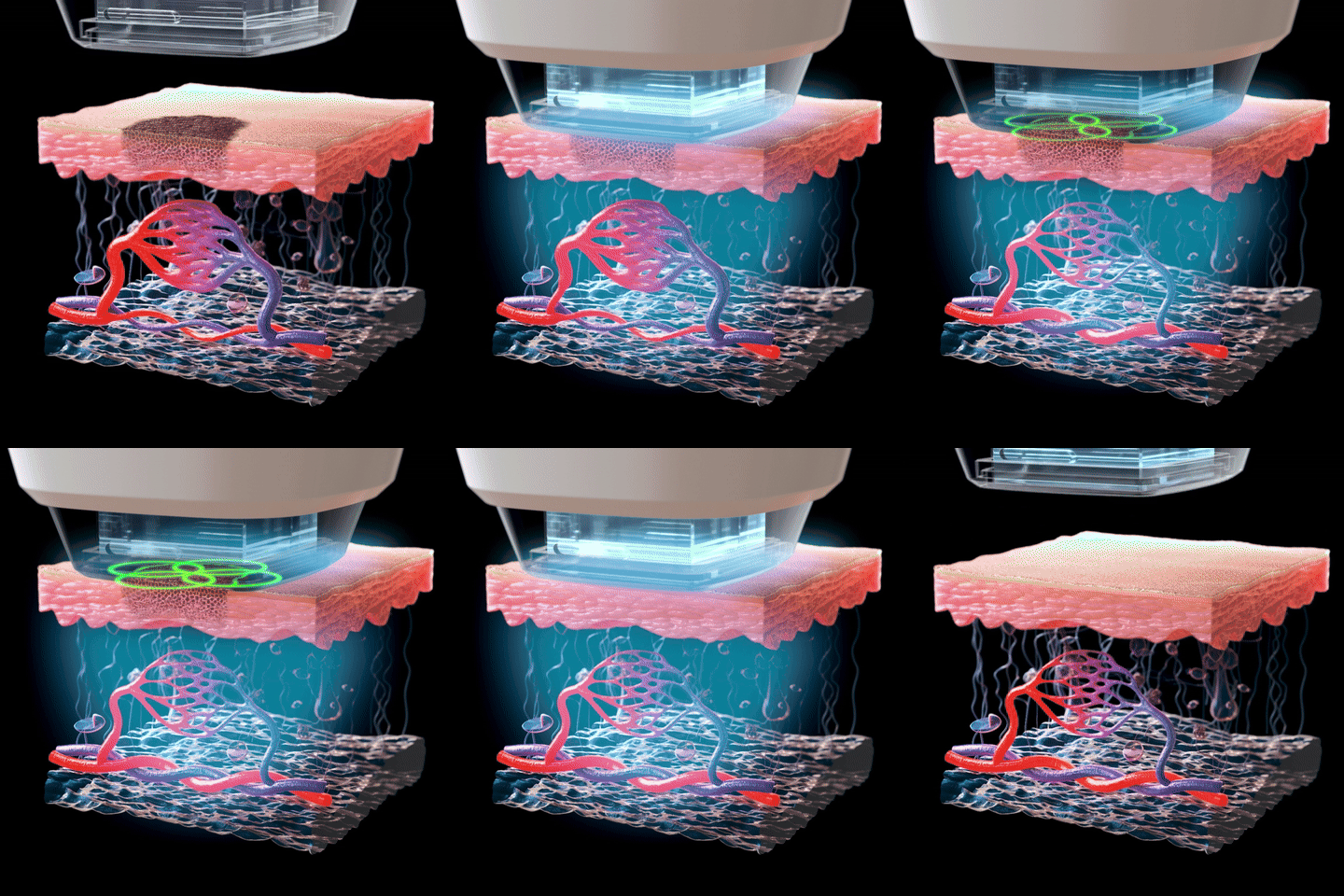
A contact cooling method keeps the skin surface temperature steady during treatment, reducing the risk of burns and minimizing pain.
REEPOT Laser
Lentigo and age spots,
the REEPOT laser
treats them at once
Among recent pigment treatments, the REEPOT laser has been drawing attention as an option for treating lentigo and age spots.
Understand exactly how blemishes differ from lentigo, and start with an accurate diagnosis and the right treatment.

SKIN
EXPERT
EXPERT
Meet Your Specialist
Jaewon Choi
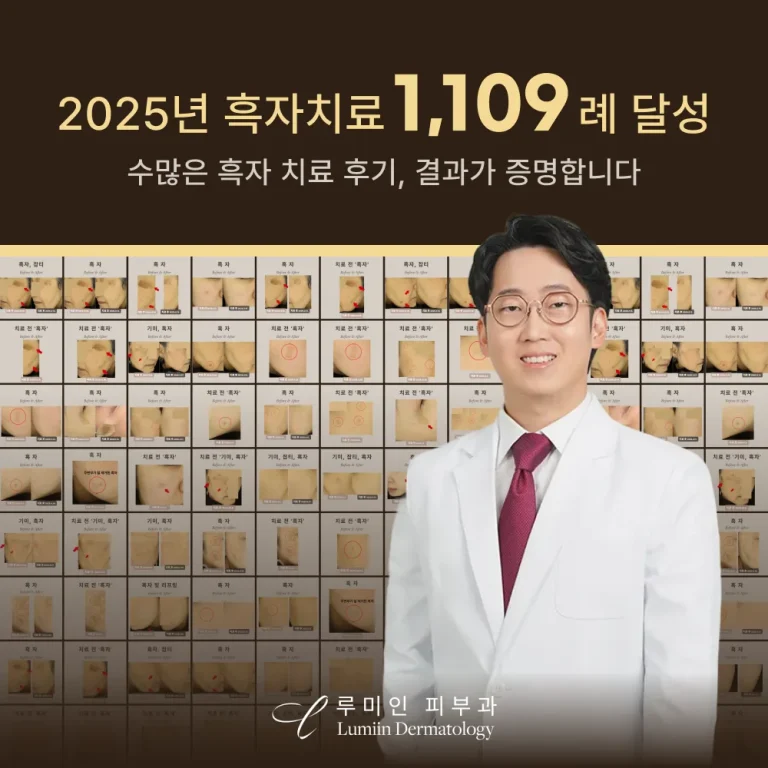
Board-certified dermatologist
Blemishes and lentigo are easily confused with melasma and age spots, so an accurate diagnosis is the first step toward the right treatment. Head Director Jaewon Choi, who oversees pigmented lesion care, personally diagnoses each case and designs the treatment plan.
"Beyond simple treatment, we provide scientific skin solutions built on extensive clinical experience and proven procedures."
- Graduated from Hanyang University College of Medicine
- Completed dermatology residency at Asan Medical Center, Seoul
- Master's degree in Dermatology, University of Ulsan College of Medicine Graduate School
- Best Presentation Award, Korean Society for Dermatopathology (2018)
About Pigment Lesions
Blemishes and lentigo,
compared with other pigment conditions
Many people assume any pigment change on the face is simply melasma or age spots, but skin pigment conditions in fact arise from a variety of causes and carry different characteristics. Blemishes and lentigo in particular are pigment conditions that appear naturally as the skin ages, and they are a common skin concern that many people experience.
Unless you are a medical professional, however, blemishes and lentigo are easily confused with melasma or age spots. That is because pigment conditions are not distinguished merely by how they look on the surface — their causes, locations, and treatment methods all differ. This is why applying an accurate diagnosis and the correct treatment method is so important.
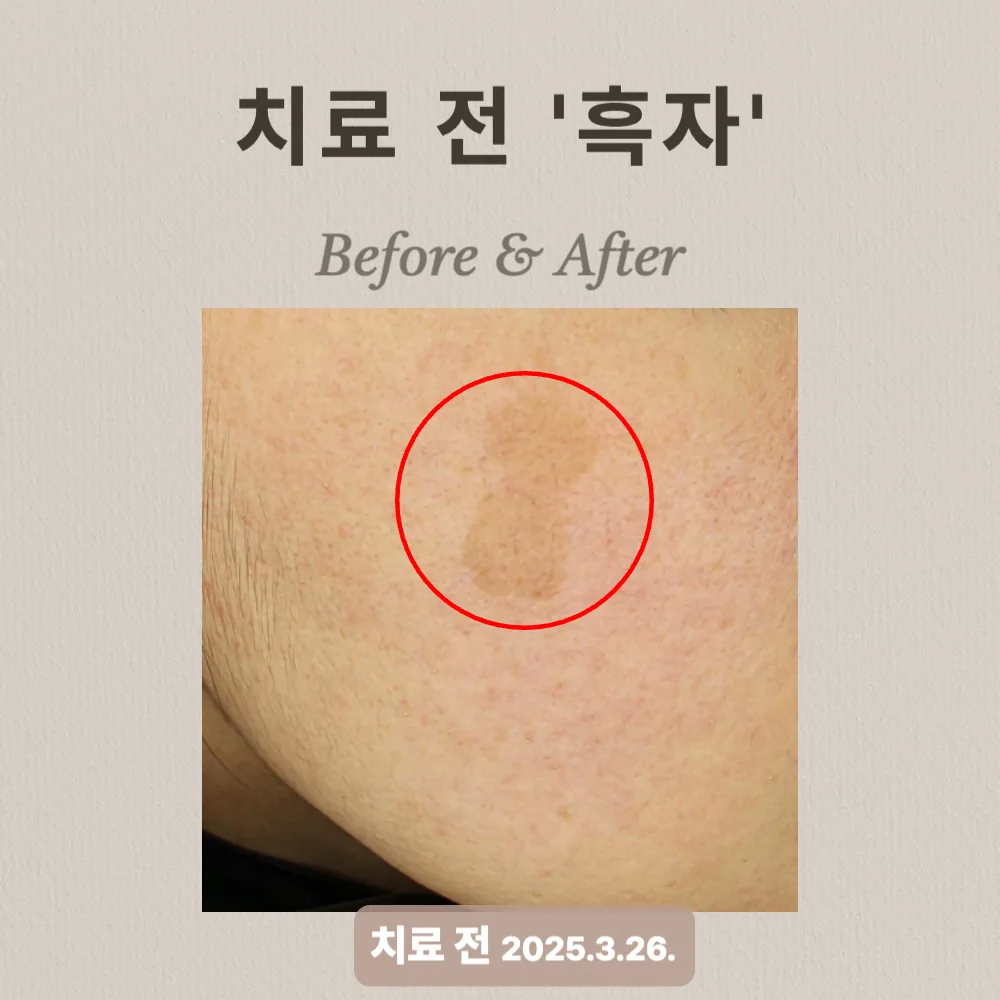
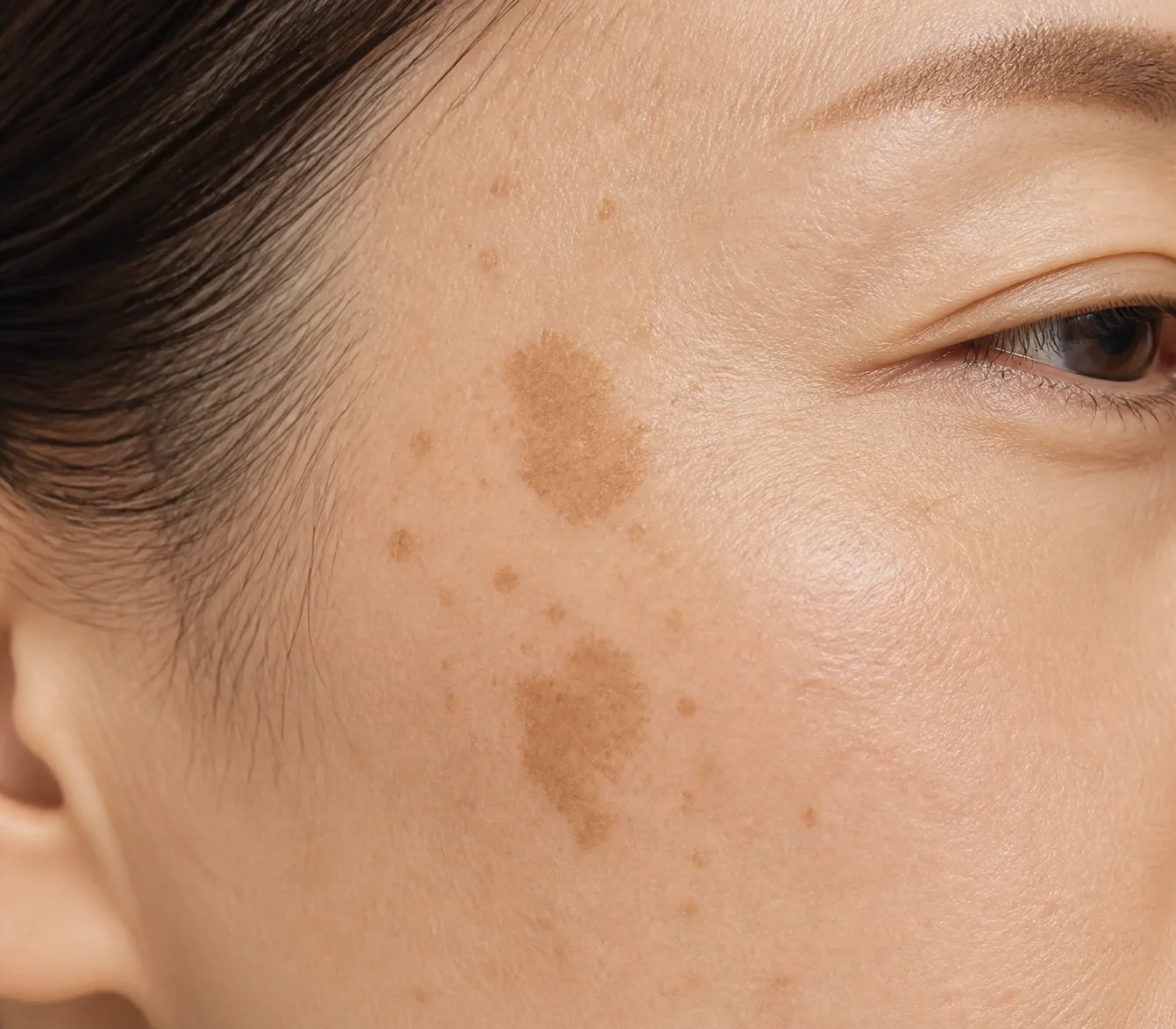
Lentigo
Sharply bordered brown or black spots, with pigment concentrated mainly in the epidermis.
Blemishes
Similar to freckles but somewhat larger, and can darken further with sun exposure.
Age spots
Brown spots caused by aging, with pigment building up in the epidermis and dermis; they can gradually enlarge over time.
Melasma
Pigment settles deep in the skin with indistinct borders, usually appearing symmetrically on both sides of the face.
Sorted by depth,
lentigo and blemishes are pigment conditions of the epidermis, while melasma sits anywhere from the epidermis down to the dermis.
If Left Untreated
Lentigo and age spots -
what happens if you leave them alone?
Left untreated, lentigo and age spots can gradually darken and spread. With continued UV exposure in particular, pigmentation worsens, and as skin aging progresses, the lesions can grow thicker and deeper until they become difficult to cover even with makeup.
One of the most effective options for treating blemishes and lentigo is laser treatment.
Recently, the REEPOT laser has been recognized as particularly effective.
Why REEPOT Laser Works
Why the REEPOT laser is effective
for lentigo and blemishes
The REEPOT laser works by using a specific wavelength of laser light to selectively destroy melanin pigment. It is somewhat safer than conventional pigment lasers while showing high effectiveness.
Vascular Pre-cooling Technology temporarily cools the blood vessels within the skin, preventing unnecessary tissue damage and helping the laser remove only the pigment selectively.
With almost no effect on the surrounding tissue, pigment can be removed without scarring.
Compared with conventional laser treatment, side effects such as redness, swelling, and post-inflammatory hyperpigmentation are reduced, allowing a safer treatment.
Tailored Pigment Care
Pigment treatment,
why it takes a range of lasers
- Pigment sits at various depths, from the epidermis (freckles, blemishes) to the dermis (melasma, nevus of Ota)
- Lasers of the appropriate wavelength are needed - 532nm (epidermis), 755nm (melanin), 1064nm (dermis), and so on
- Small pigment lesions (freckles) and large ones (nevus of Ota) are removed differently
- Sensitive pigment (melasma) calls for gentler energy
- Lasers of specific wavelengths are absorbed effectively by melanin for selective removal
- Only the pigment is broken down, without unnecessary tissue damage
- A single laser at high intensity → greater strain on the skin
- A combination of different lasers → low-irritation, high-efficiency treatment
High-end Treatment Equipment
Matched to the depth and type of pigment,
Lumiin's laser lineup
The wavelength and energy required differ with the depth and type of pigment. We select the appropriate device to match the diagnosis.
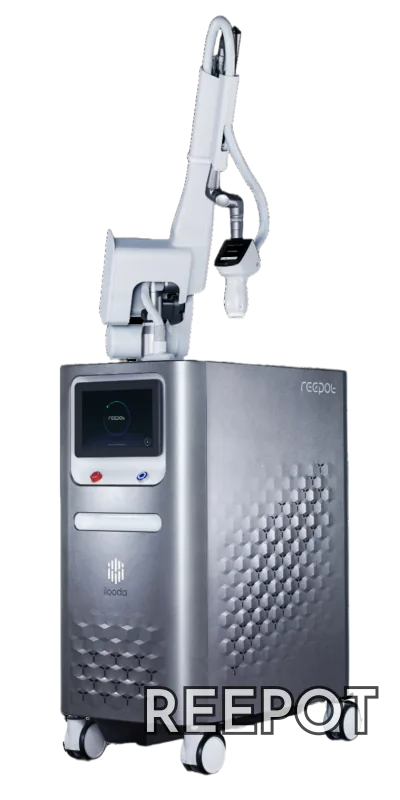
REEPOT Laser
The REEPOT laser is a specialized laser that selectively removes melanin pigment, effective for treating age spots, lentigo, and stubborn pigment conditions. It works by concentrating high energy on the pigment to break melanin particles down finely, gradually fading the pigment and helping even out the skin tone. With higher melanin absorption than conventional laser treatments, it allows faster and more effective pigment treatment, and low recurrence is one of its strengths. It can also be applied to deep pigment lesions, giving it a wide treatment range, and it minimizes the impact on surrounding healthy tissue to reduce side effects. The pigment may temporarily darken for a period after treatment, but it gradually fades over time, revealing clearer, cleaner skin.
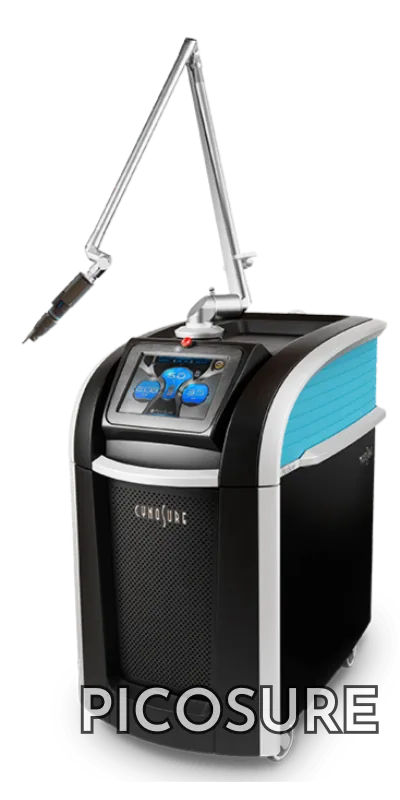
PicoSure
PicoSure is an innovative laser device that uses a 755nm picosecond laser to treat blemishes and pigmentation, remove tattoos, and improve skin texture. Emitting ultra-fast laser energy over a pulse 100 times shorter than conventional nanosecond lasers, it breaks pigment down more finely while reducing heat damage to surrounding tissue, minimizing side effects. It effectively treats a wide range of pigment lesions including melasma, nevus of Ota, freckles, and tattoos, while also stimulating collagen production within the skin to help improve elasticity and texture. With fewer sessions required than conventional laser treatment and a shorter recovery period, it is well suited to busy modern life.
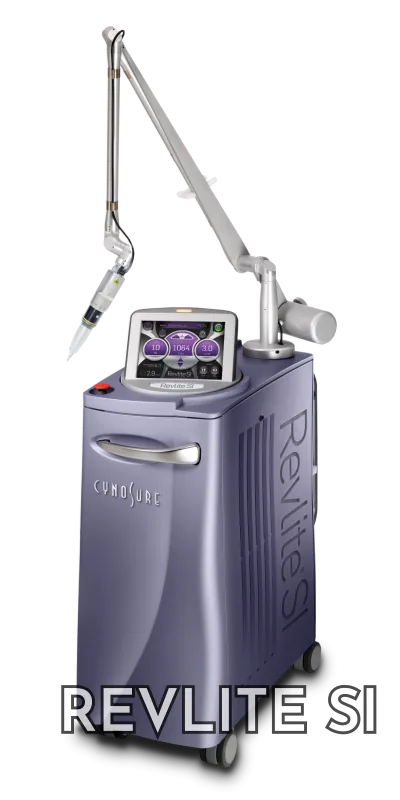
RevLite
RevLite is a low-irritation laser toning device using a Q-switched Nd:YAG laser, a treatment that helps improve melasma, blemishes, pigmentation, and redness. The laser energy penetrates deep into the skin to break down melanin effectively while minimizing skin damage, making pigment treatment relatively comfortable. The laser's subtle heat stimulation also induces collagen production, so an improvement in skin texture can be expected as well. Delivering more uniform energy than conventional laser toning, it maximizes the brightening of skin tone and the fading of blemishes, and it also helps treat redness and telangiectasia. The skin may look slightly red immediately after treatment, but recovery is quick and irritation is minimal, causing little disruption to daily life.
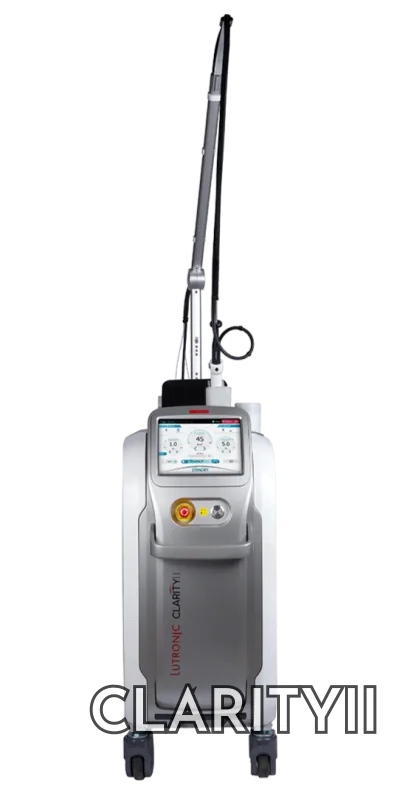
Clarity II
A multi-purpose laser device using dual wavelengths - Nd:YAG 1064nm and Alexandrite 755nm - capable of treating redness, blemishes, and telangiectasia as well as hair removal and skin elasticity improvement. By concentrating high-output energy on melanin and blood vessels, it removes pigment lesions effectively while minimizing skin damage. It also stimulates the dermal layer to promote collagen production, helping improve skin elasticity and soften fine lines. With adjustable laser output and pulse width, individualized treatment is possible for a variety of skin types and concerns. The skin may temporarily redden after treatment, but recovery is relatively fast and pain is mild, causing little disruption to daily life.
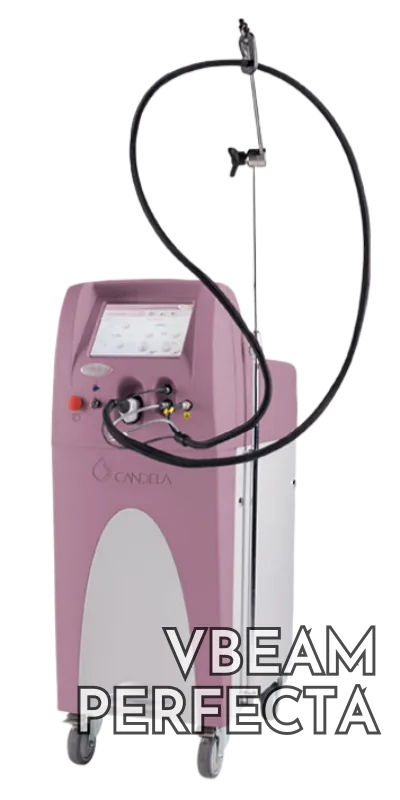
Vbeam Perfecta
Vbeam Perfecta is a laser device that uses a 595nm pulsed-dye laser to treat vascular conditions such as facial redness, rosacea, red acne marks, and telangiectasia. By selectively targeting blood vessels, it reduces pigment and calms redness, while also promoting skin regeneration to help even out the skin tone. It is particularly effective for chronic flushing caused by rosacea and for the red marks left after acne inflammation, and it induces collagen production within the skin to help improve overall elasticity. A subtle heat stimulus is applied during treatment, but a cooling system keeps pain low; the skin may temporarily redden after the procedure but recovers quickly.
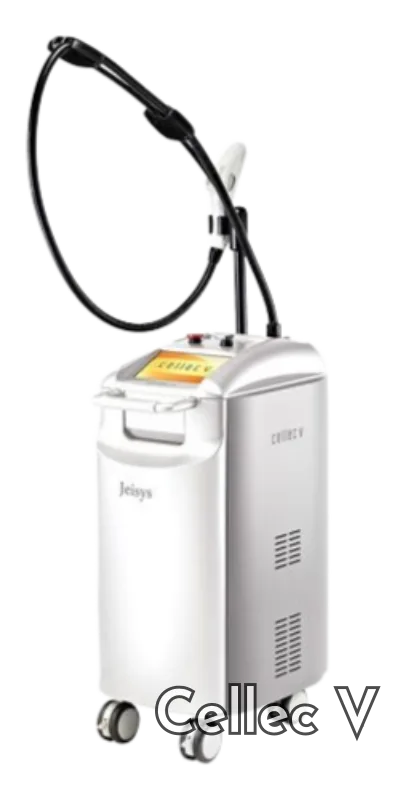
Cellec V
Cellec V is a device using IPL (Intense Pulsed Light) technology, distinguished by its 9 filters that allow tailored treatment for a wide range of skin concerns. It is effective at calming redness and telangiectasia and improving pigment lesions such as melasma, blemishes, and freckles. It is also used to suppress acne bacteria to reduce inflammation and to fade acne marks. It helps increase skin elasticity and refine pores, and a hair-removal effect targeting melanin pigment can also be expected. A patented cooling system keeps pain low during treatment, and with no scab formation or severe redness afterward, a quick return to daily life is possible. The skin may temporarily redden after treatment but gradually improves over time, and with consistent care it helps maintain a clear, even skin tone.
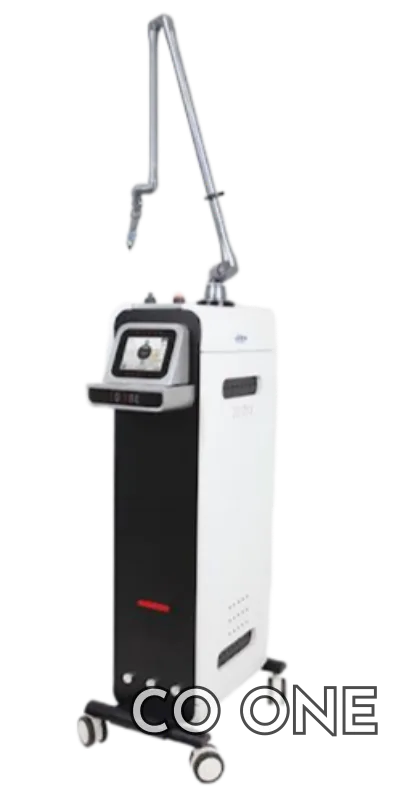
CO ONE
The CO₂ laser is a device that precisely removes the skin surface, effectively treating pigment lesions such as moles, age spots, and warts. It delivers high energy in an instant to selectively remove only the targeted skin tissue, with minimal effect on the surrounding skin to reduce side effects. It is particularly effective for removing deep pigment lesions, raised warts, and calluses, and it is also used to improve scars. A scab forms after the laser procedure, and the skin recovers to a clean state through regeneration. Downtime is relatively short, and with diligent moisturizing and sun protection after treatment, recovery can be quick.
FAQ
Frequently asked questions
about the REEPOT laser
The REEPOT laser selectively targets melanin pigment to lighten the lentigo. The laser penetrates the skin and destroys the pigment, which then gradually fades as the skin naturally regenerates.
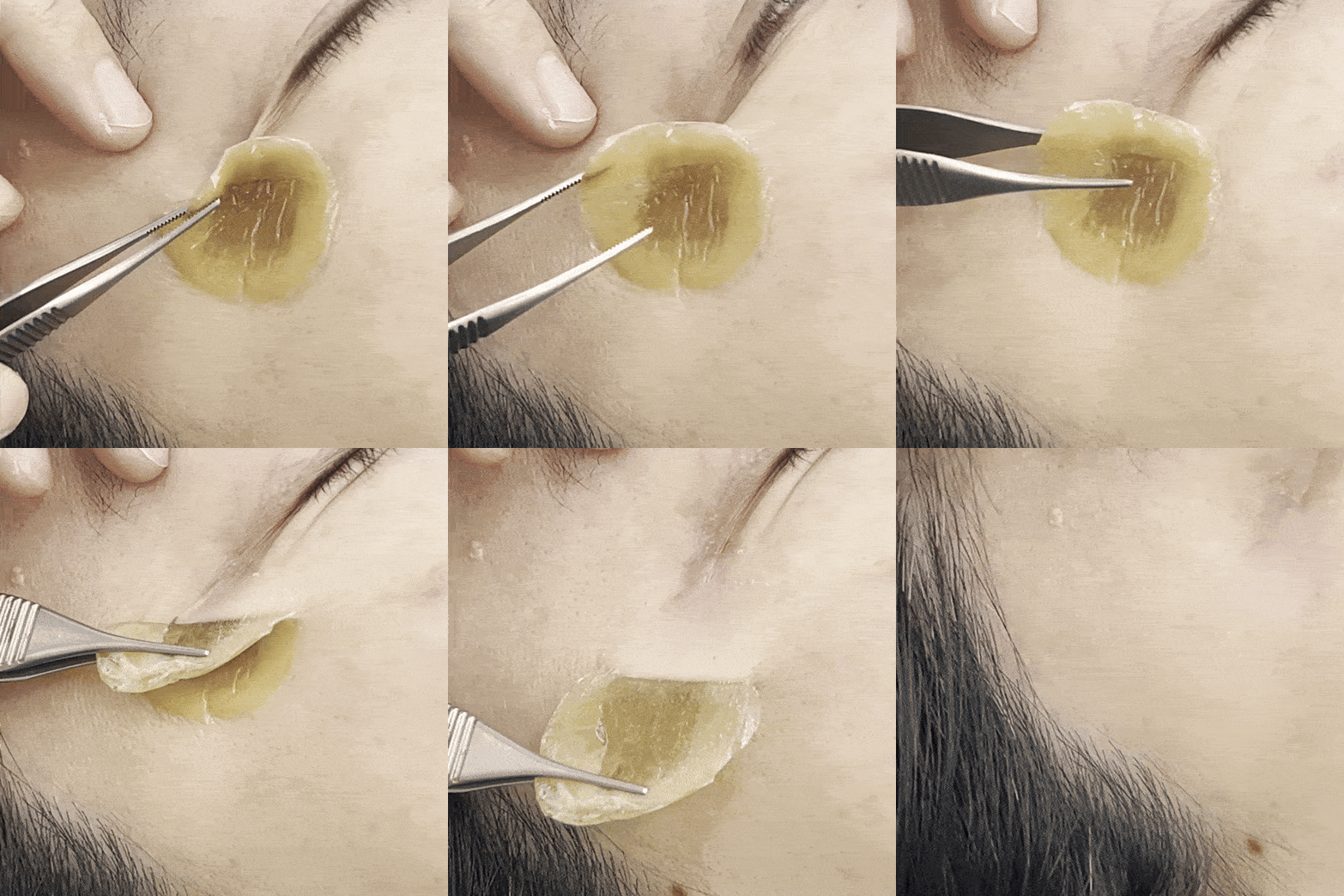
Yes, fine scabs may form as the skin heals naturally after treatment. This is a normal response; keep the healing tape on for 2 weeks, and the scabs will come off naturally when the tape is removed. Never pick them off — it is important to let the skin recover on its own.
It varies with your skin condition and the depth of the pigment, but 1~2 sessions (usually a single treatment) are generally recommended.
- Apply sunscreen (SPF 50+) diligently after the procedure.
- If scabs form, do not touch them until the healing tape is removed after 2 weeks.
- For a week after treatment, avoid anything that irritates the skin, such as saunas, jjimjilbang (Korean spas), and harsh scrubs.
- Use plenty of moisturizer to keep the skin hydrated.
It varies from person to person, but the pain is relatively mild — a slight stinging sensation at most. If needed, a topical numbing cream can be used to reduce discomfort.
Even after laser treatment, pigment can reappear due to UV exposure, hormonal changes, or genetic factors. Consistent sun protection and preventive care against pigmentation are therefore necessary.
Consulting Cases
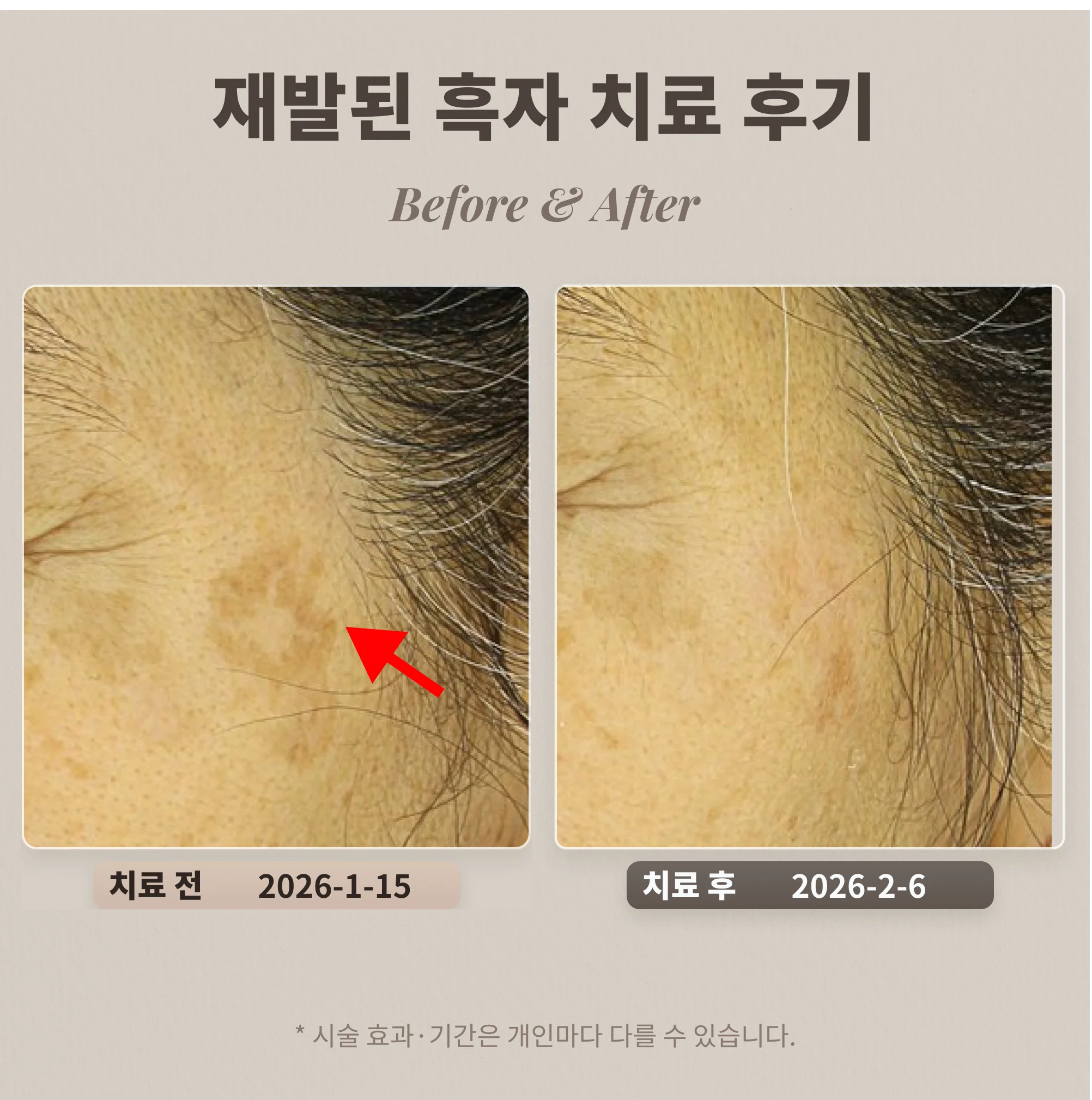
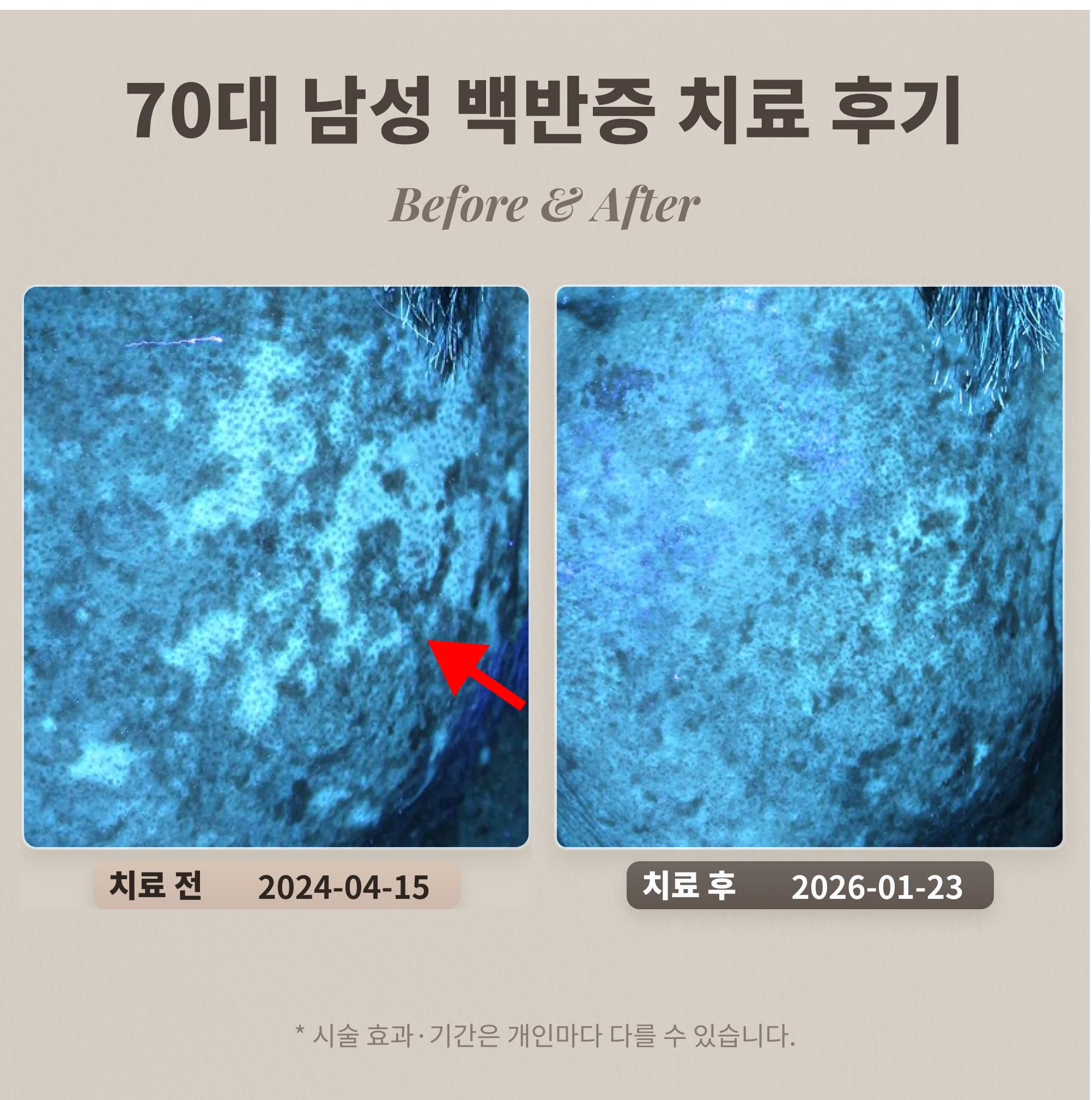
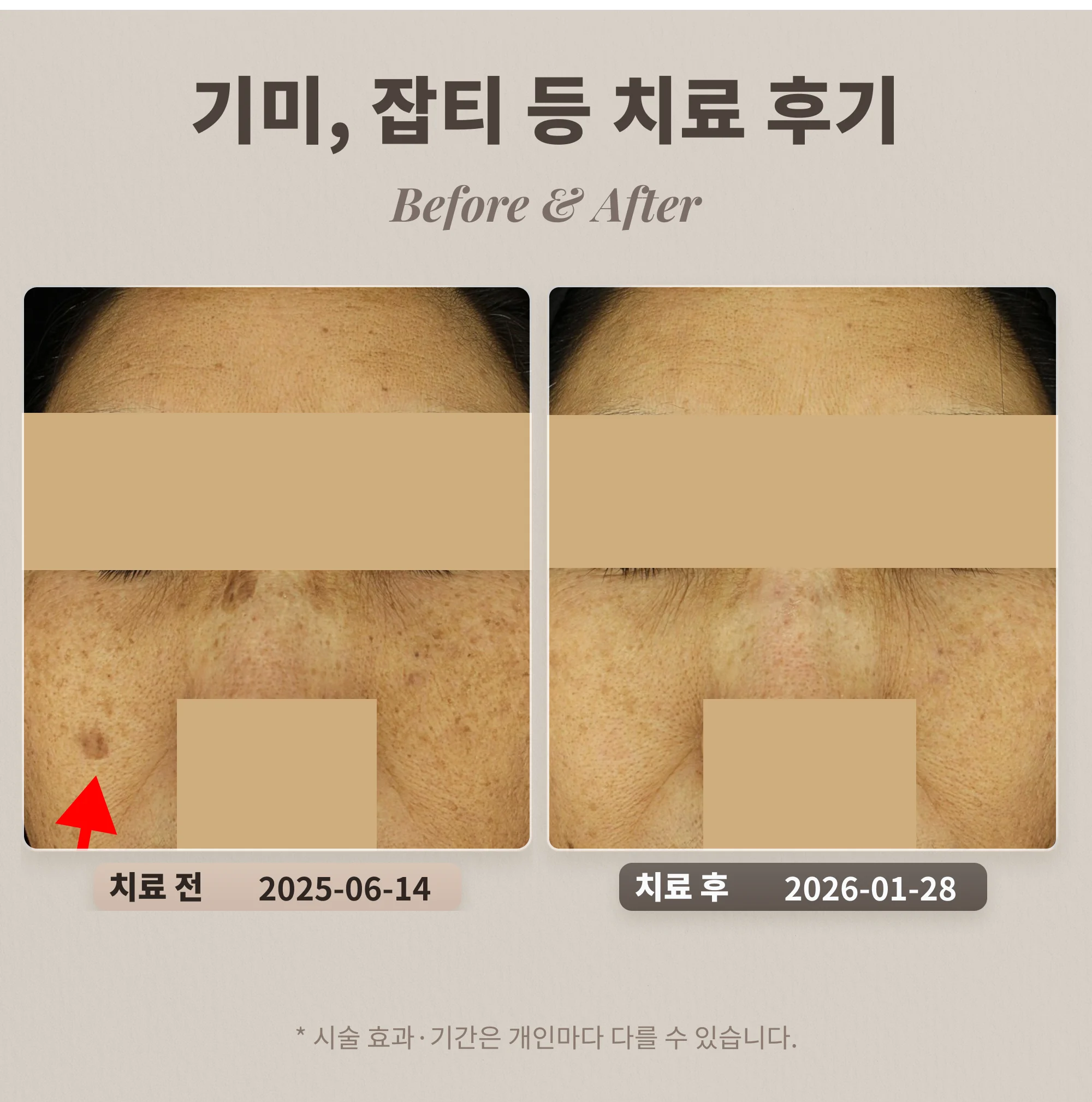
Lentigo and Age Spots Consultation Cases
With extensive consultation and treatment experience, our clinic helps you find the answer through a one-on-one tailored consultation.
 Brown spot and lentigo removal for a man in his 30s_REEPOT laser case
 Lentigo in a patient in their 40s, removed with the REEPOT laser
 Removal of a large brown spot under the eye (mistaken for pigmentation) for a woman in her 40s_REEPOT laser case
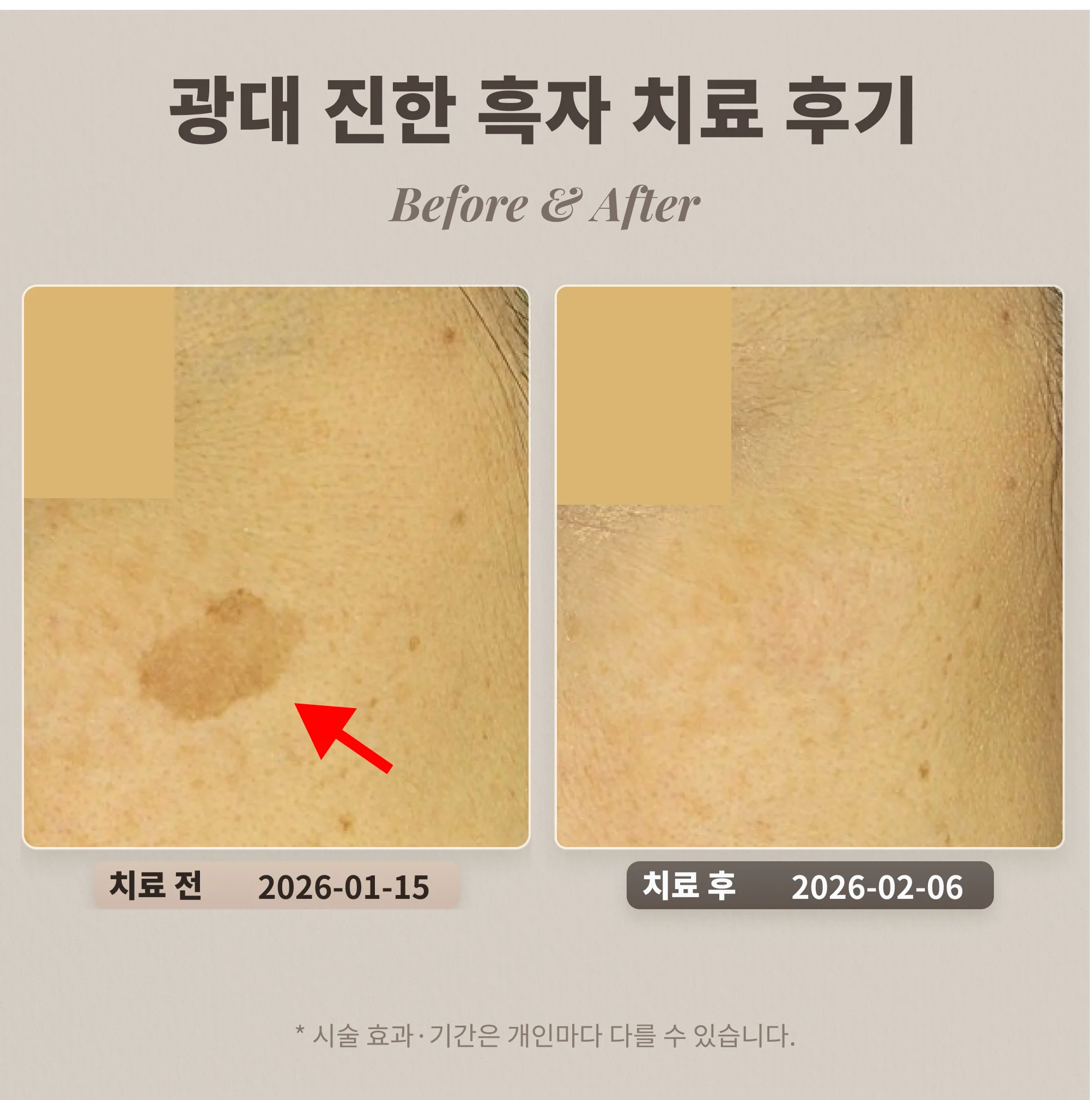 Lentigo removal for a woman in her 40s_REEPOT laser case
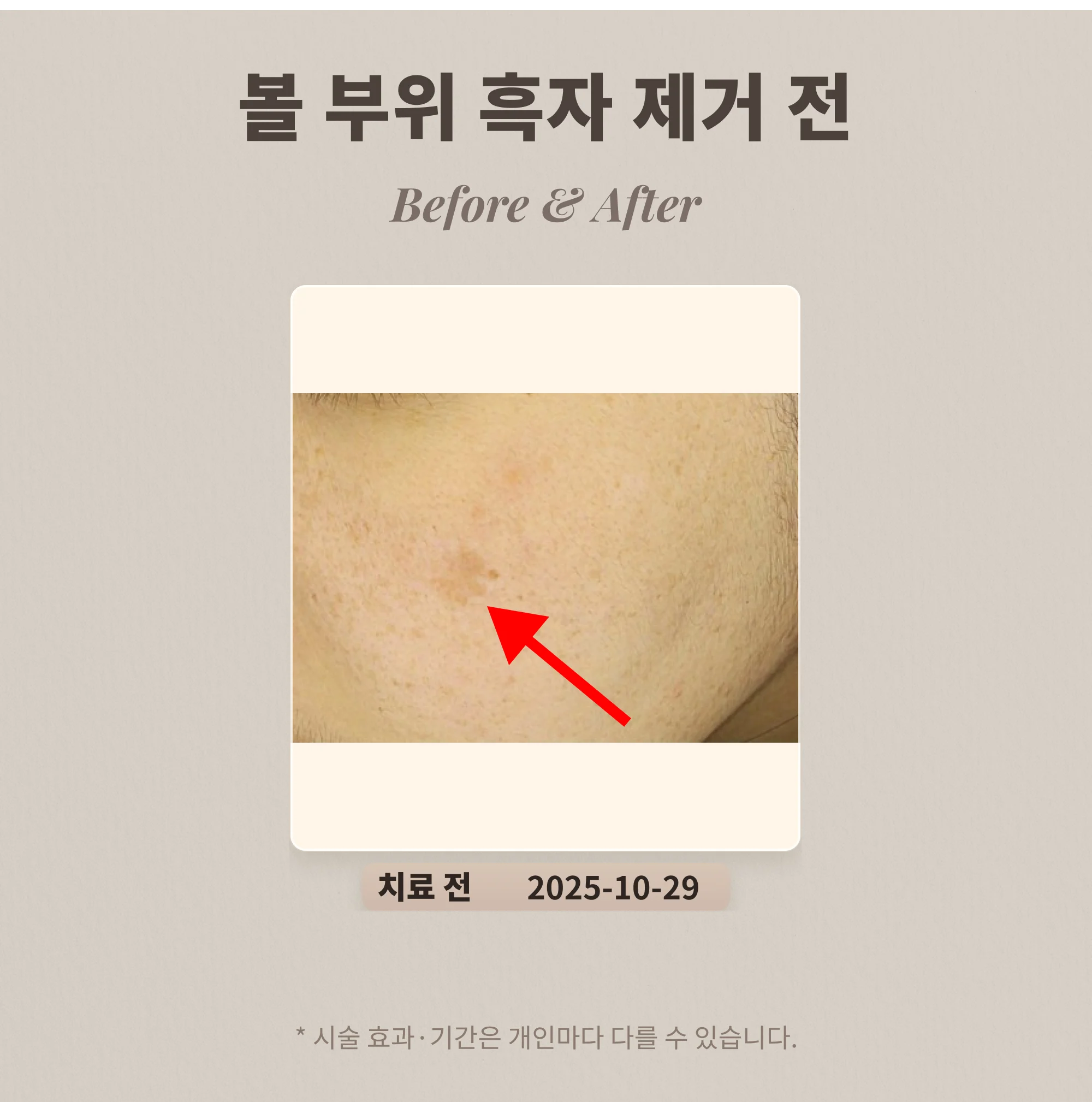 Cheek lentigo removed with the REEPOT laser for a patient in their 30s #brown spots
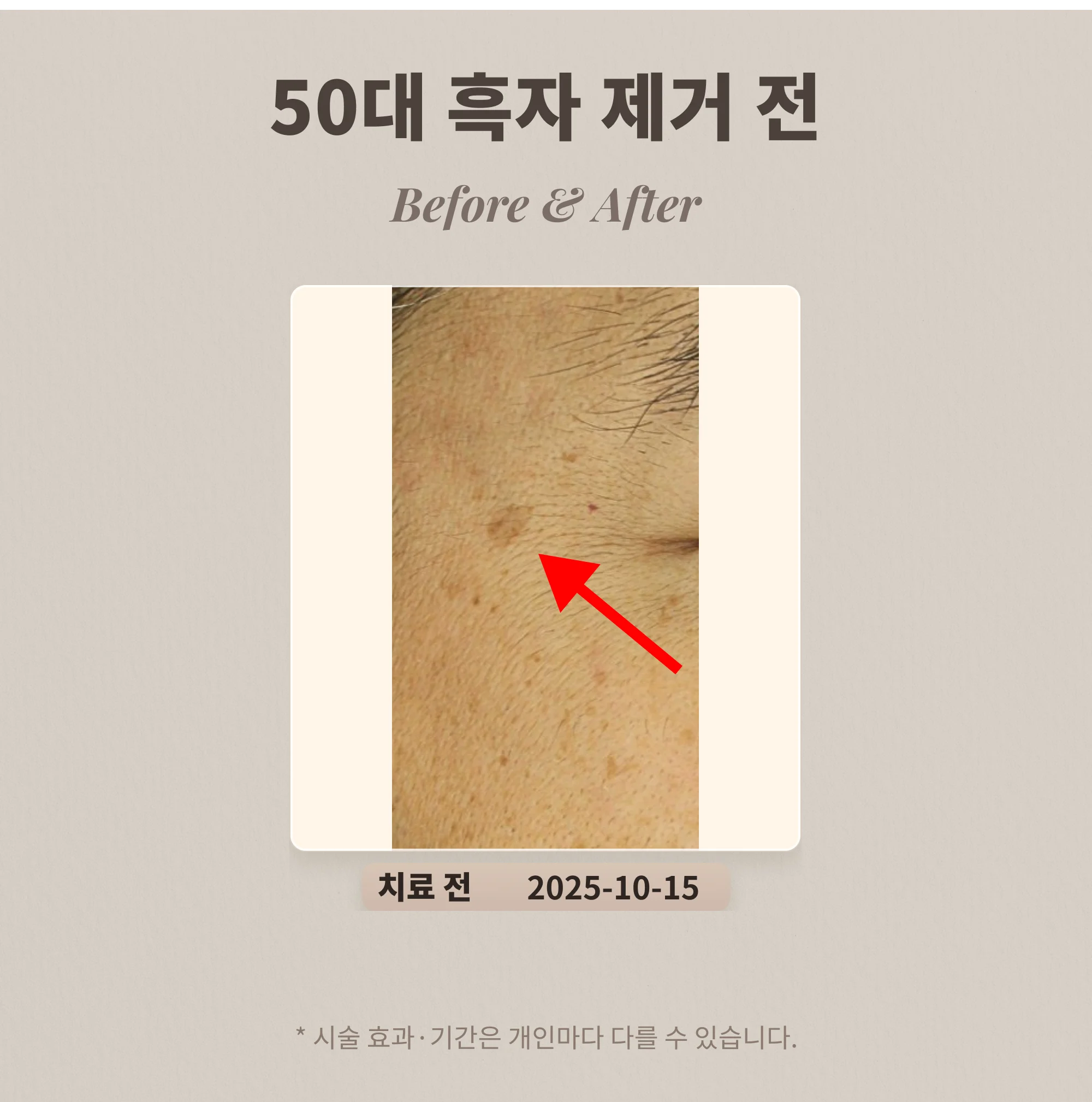 Laser lentigo removal for a patient in their 50s #REEPOT laser
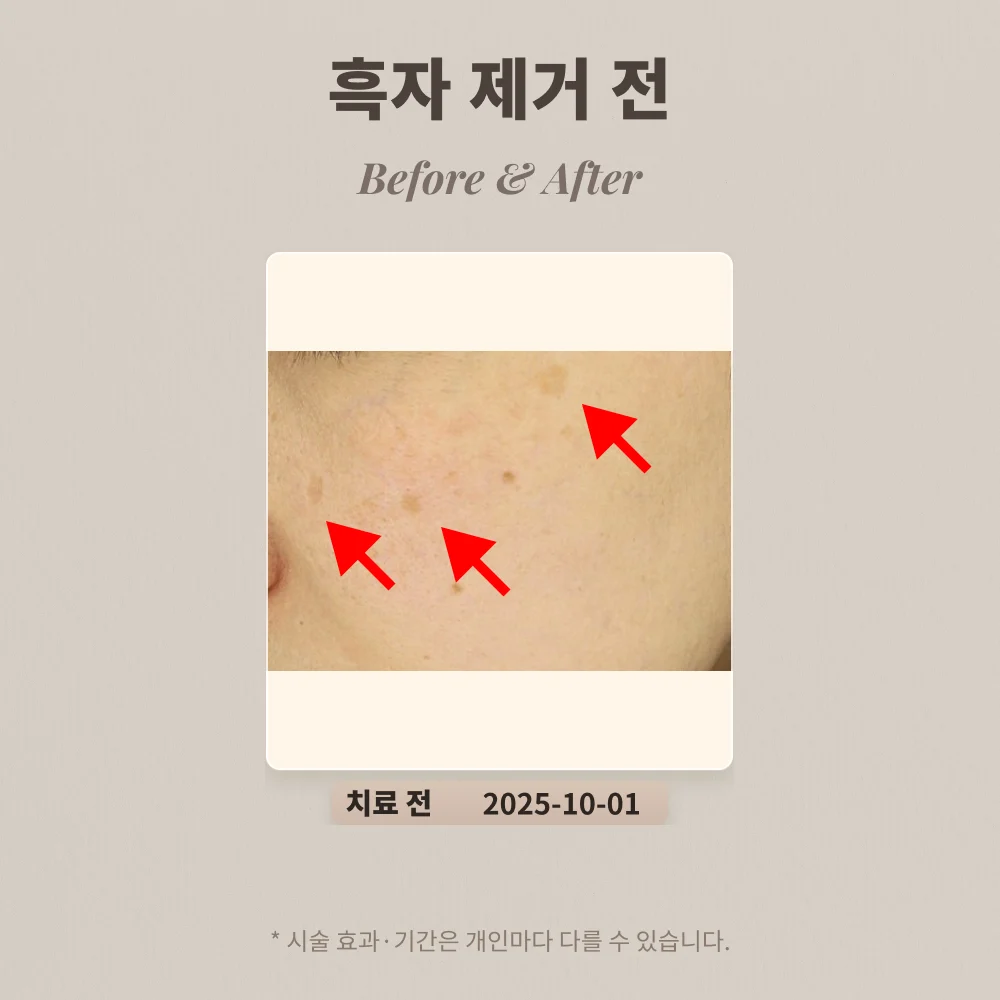 One REEPOT laser session for lentigo in a woman in her 40s_Hanti dermatology
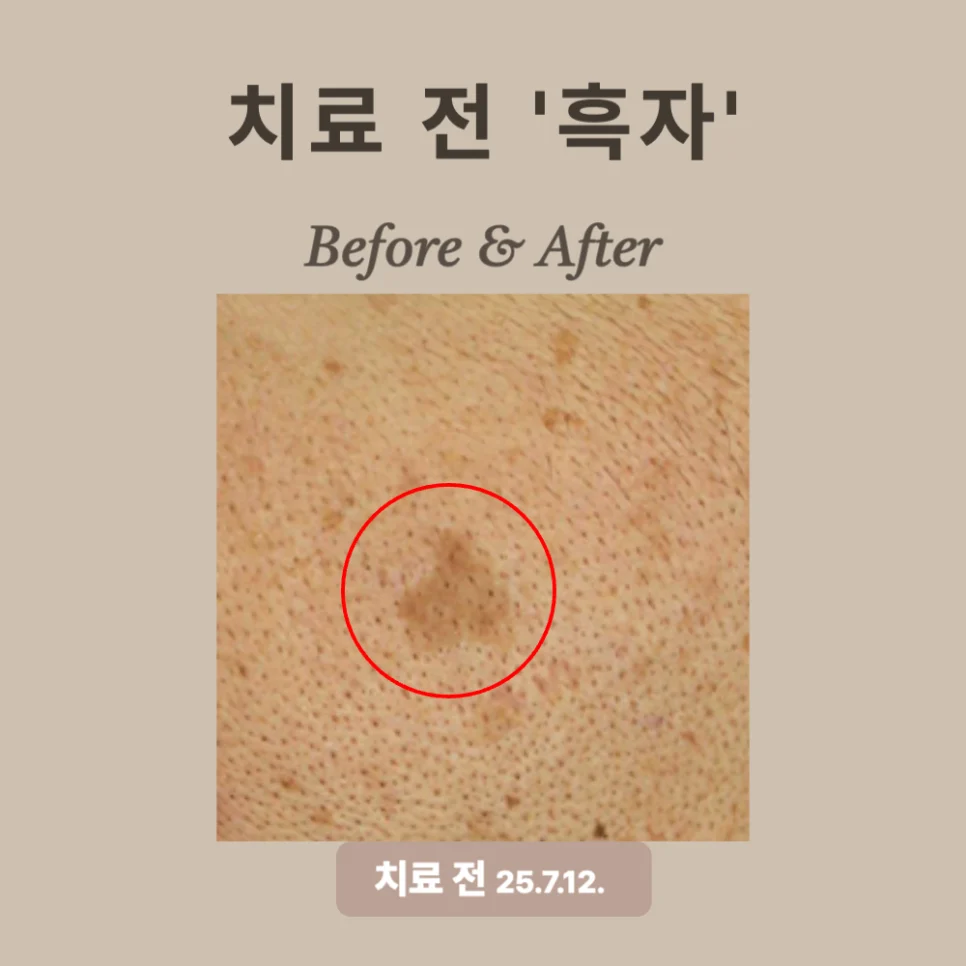 REEPOT laser treatment for a patient in their 50s: sharply bordered lentigo successfully removed!
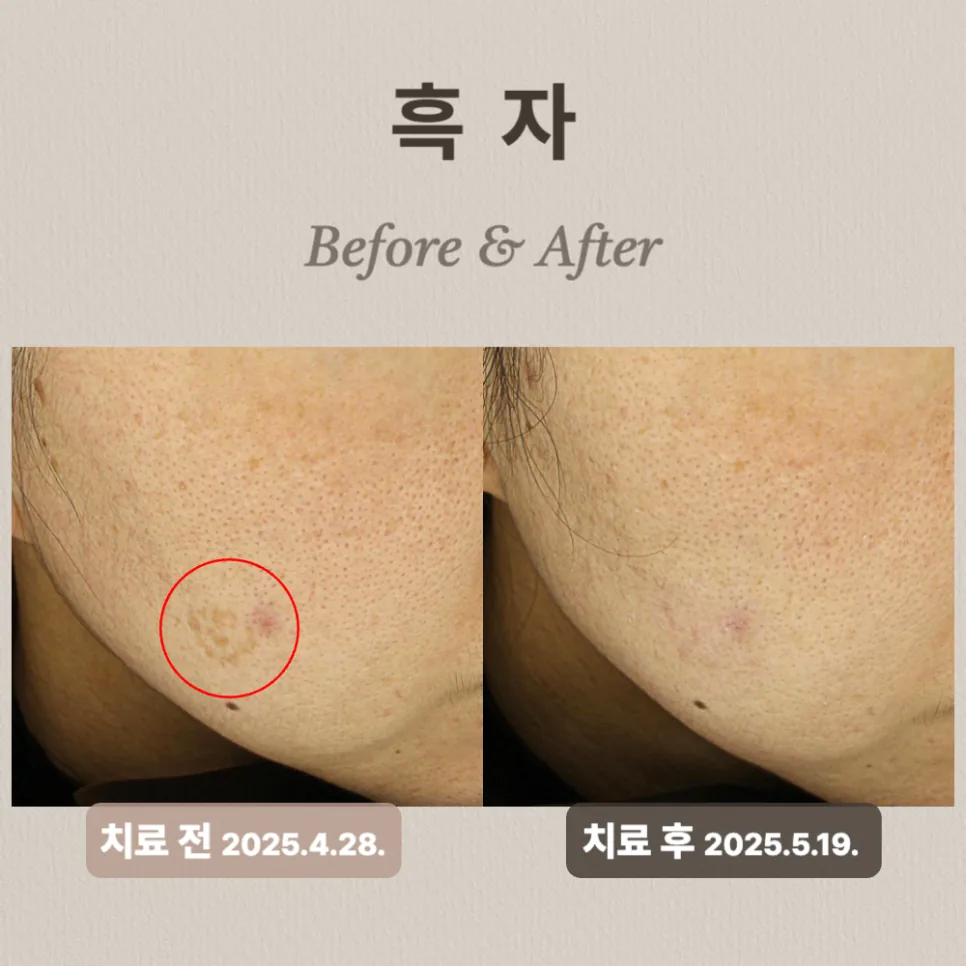 Treating side effects from a previous lentigo removal: a REEPOT laser case
Begin Your Skin Journey
Long-standing lentigo and age spots -
start treating them now
Through a one-on-one tailored consultation, we diagnose the type and depth of the pigment precisely and suggest the treatment to match.
02-565-8273 Book a Consultation ↗
3F SH Tower, 324 Seolleung-ro, Gangnam-gu, Seoul · 3 min from Hanti Station · 6 min from Seolleung Station
Weekdays
10:00–20:00
(lunch 13:00–14:00) · Sat
09:30–15:30
open through lunch
Closed on Sundays and public holidays
Equipment
이 진료에 함께 쓰는 장비

REEPOT Laser
Used for deeply settled pigment concerns such as lentigines, age spots, and sharply demarcated brown patches. The 532nm laser is intensively absorbed by melanin to break down the pigment, and a technology that constricts the surrounding blood vessels before irradiation lowers the likelihood of post-treatment hyperpigmentation.

PicoSure
Used for settled pigment concerns such as melasma, blemishes, and age spots, as well as acne scars. It fires a 755nm wavelength in picosecond pulses, shattering pigment with instantaneous pressure waves rather than heat, which helps improve pigmentation while reducing the burden on the epidermis.

CO2 Laser
Used for lesions that stand out on the skin surface, such as moles, age spots, flat warts, and milia. The 10,600nm wavelength is absorbed by water within the tissue, vaporizing the lesion in thin layers, which helps clear only the lesion while the depth is precisely controlled.