
- Steroid ointment - blocks the spread of early vitiligo and promotes pigment recovery
- Calcineurin inhibitors (tacrolimus, pimecrolimus) - modulate the immune response to slow vitiligo's progression
- Vitamin D derivatives (calcipotriene, calcitriol)
Vitiligo - Early Signs & Treatment
Early Symptoms of Vitiligo and How It Is Treated
When a small white patch first appears on the skin, it is easy to dismiss it as a simple pigmentation issue.
But as time passes and the patch gradually widens, with similar symptoms starting to appear on other parts of the body, it is only natural to feel alarmed. This is a common experience for many people facing vitiligo for the first time, and such changes can lead to lowered confidence and social anxiety. Vitiligo, however, is a condition in which early treatment matters greatly.
Receiving appropriate treatment early can ease symptoms and raise the chances of pigment recovery. It is therefore essential to know the early symptoms of vitiligo accurately and to consult a board-certified dermatologist without delay. Here, we would like to walk you through the subject.

SKIN
EXPERT
EXPERT
Meet Your Specialist
Ji-ho Choi Medical Director
Board-certified dermatologist · Honorary professor of dermatology, Asan Medical Center, Seoul - In charge of vitiligo · psoriasis care
Treatment begins with determining whether that first white patch is in fact vitiligo. At Lumiin Dermatology, vitiligo and psoriasis care is led by Medical Director Ji-ho Choi.
“Harnessing the power of ‘light’ through cosmetic lasers and phototherapy, we provide optimal treatment tailored to each person's skin concerns.”
- Ph.D. in Medicine, Seoul National University College of Medicine
- Director, Skin Cancer Center, Asan Medical Center
- Chair Professor and Chief of Dermatology, University of Ulsan College of Medicine, Asan Medical Center
- President, Korean Dermatological Association · Korean Society for Psoriasis · Korean Society for Skin Immunology
Specialty Vitiligo · Psoriasis
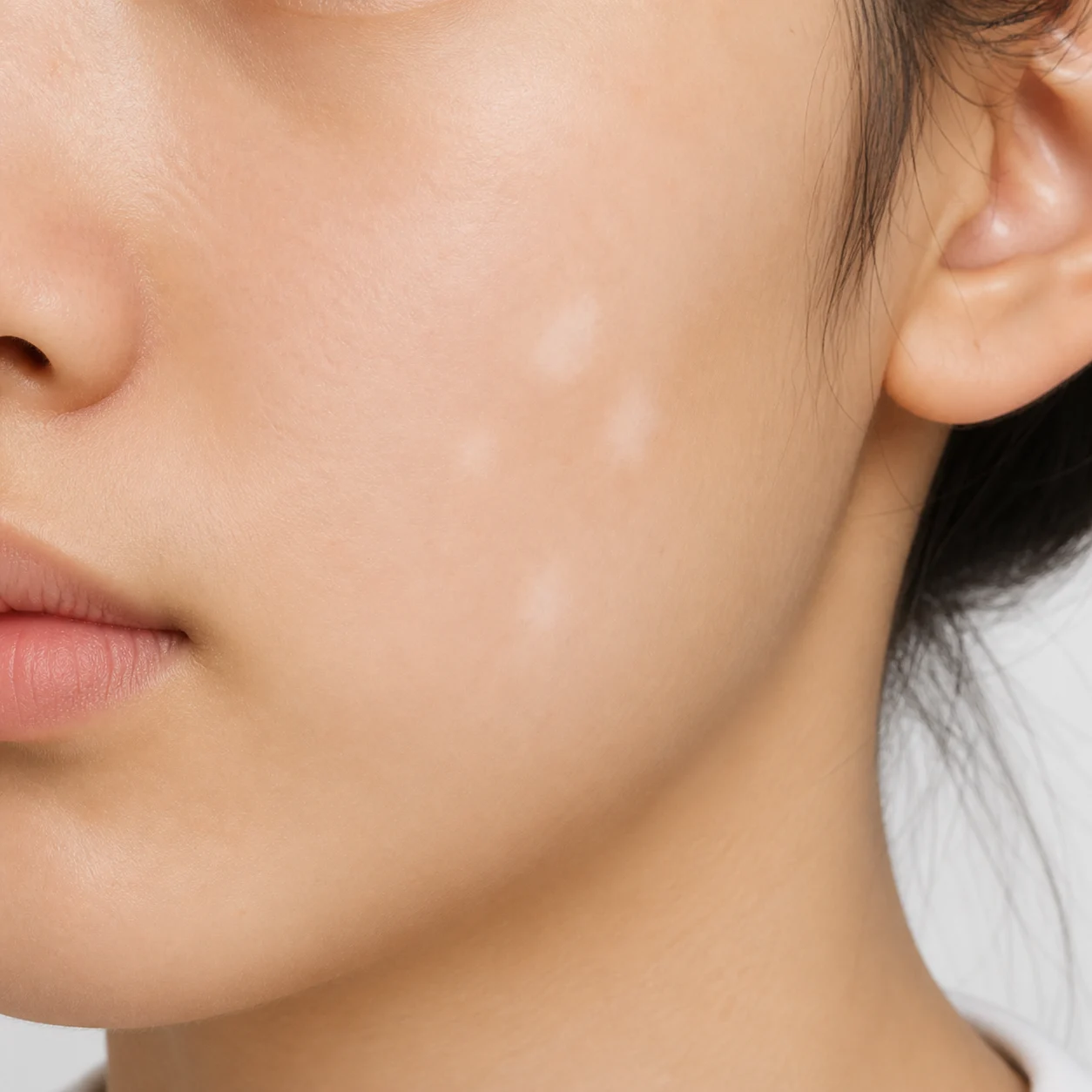
Early Signs
Vitiligo's early symptoms and presentation
Vitiligo is a condition in which the cells that produce melanin are destroyed, leaving white patches on the skin. In the early stages, the following symptoms may appear.
01. Small white patches appear
Often starts in friction-prone areas such as the hands, feet, face, elbows, knees, and underarms
02. Depigmented patches with distinct borders
Grow gradually over time, with the border against surrounding skin becoming more distinct
03. Progresses without itching or pain
Usually progresses without pain or itching, though a stinging sensation may rarely occur
04. Hair color changes
Hair within the vitiligo patch may also turn white
05. Sensitivity to sunlight
Lacking melanin, vitiligo patches can easily burn when exposed to sunlight
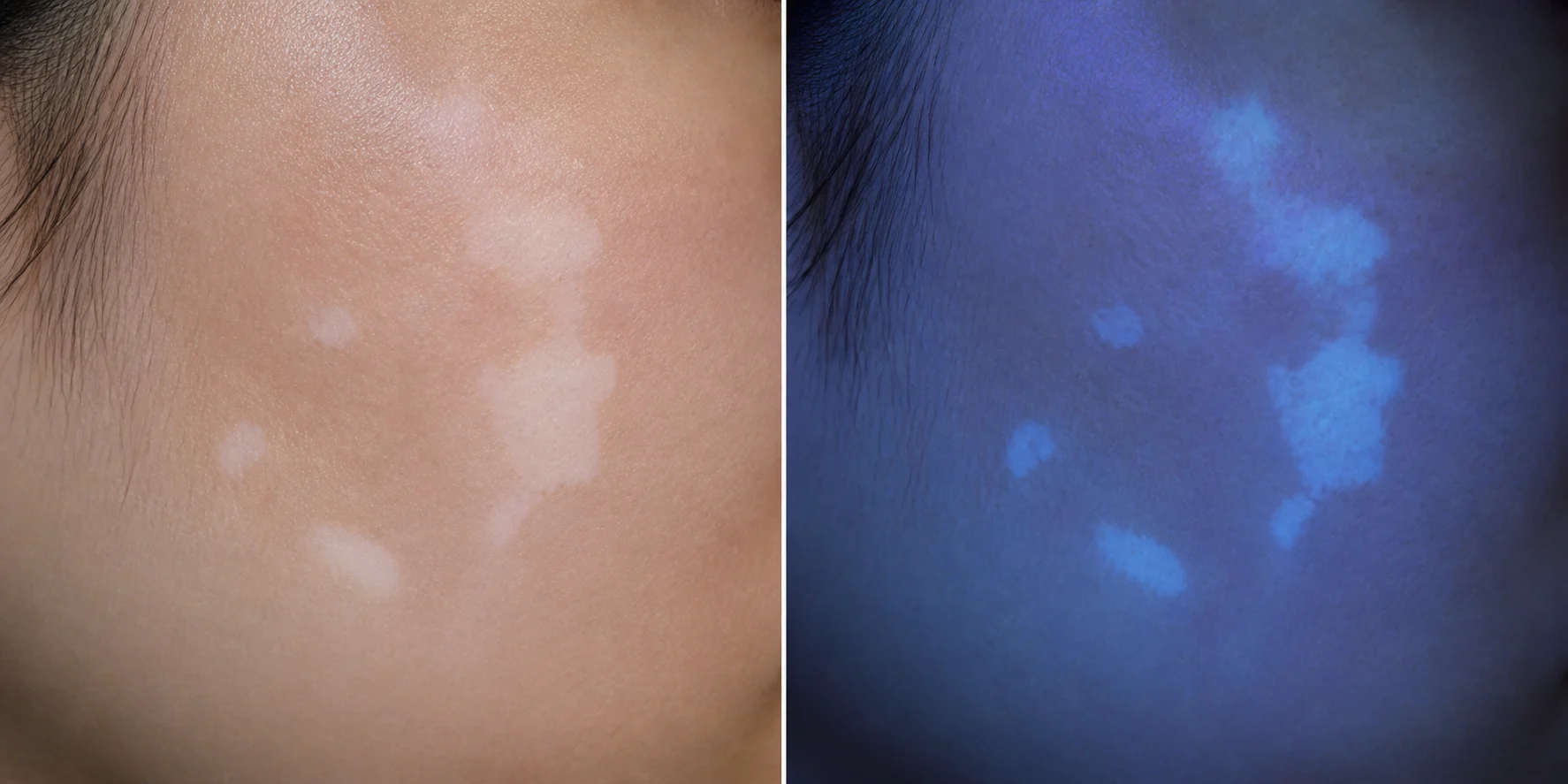
When these symptoms appear, delaying early treatment raises the likelihood of worsening, and early vitiligo can be identified more clearly with a Wood's lamp examination.
Wood’s Lamp Examination
What the Wood's lamp reveals: vitiligo
Even early depigmented patches that are hard to see with the naked eye show up with bright borders under a Wood's lamp examination, allowing early signs of vitiligo to be confirmed more clearly.
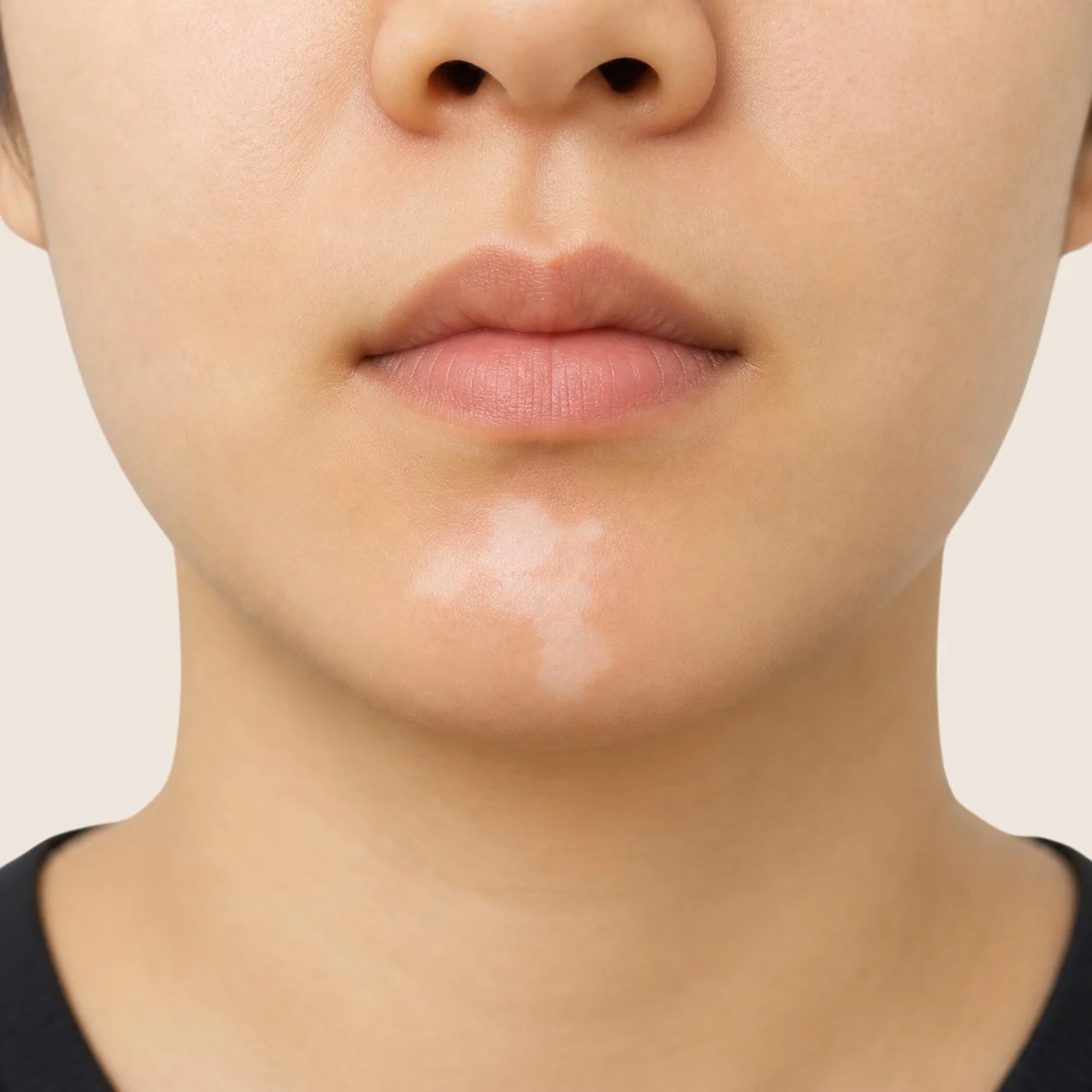
If Treatment Is Delayed
Symptoms and patterns that can appear
when early treatment is delayed
Left untreated, vitiligo has a high likelihood of gradually worsening.
✓
Expansion of white patches
Small patches may grow larger and spread to multiple parts of the body
✓
Accelerated pigment loss
As more melanocytes are destroyed, the pigment may reach a stage where recovery becomes difficult
✓
Greater risk from UV exposure
When melanin-deficient areas are directly exposed to UV rays, skin damage and pigmentation problems can occur
✓
Possible accompanying autoimmune diseases
Vitiligo is strongly linked to autoimmune disease, carrying a risk of thyroid disease, diabetes, alopecia areata, and others appearing alongside it
Early Treatment
Vitiligo early treatment options
Early vitiligo treatment aims to ease symptoms and slow progression, and effective treatment is possible only when three elements — medication, phototherapy, and habit correction — are carried out together appropriately.
Excimer laser · UVB therapy
- Excimer laser (308nm) - focuses light on specific areas to help pigment recovery and modulate the immune response
- Sun protection - using SPF 50+ sunscreen is essential to protect vitiligo areas
- Strengthening immunity - stress management, sufficient sleep, antioxidant foods (vitamin D, B12, folate, etc.)
- Skin protection - avoid harsh chemicals (hair dye, strong cleansers) and protect friction-prone areas
Why 308nm Excimer Laser
Vitiligo treatment —
why the
308nm laser
?
Vitiligo arises in the basal layer of the epidermis, where melanocytes reside. The 308nm wavelength is optimized for the depth where melanocytes sit (50–150μm).
By selectively delivering a specific wavelength within the UVB range, it stimulates melanocytes and activates melanin production.
Vitiligo is related to autoimmune disease. The excimer laser regulates immune cells (T cells) to suppress vitiligo's progression.
High-end Treatment Equipment
Vitiligo · Phototherapy Equipment
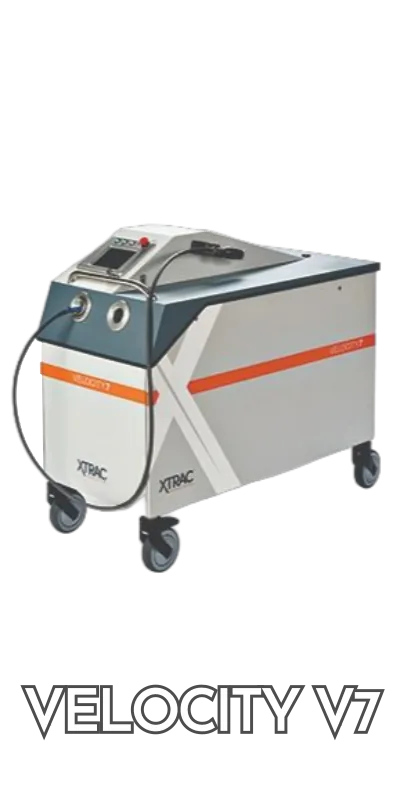 01 / EXCIMER LASER
Velocity Excimer Laser V7
The Velocity excimer laser is a specialized laser device that uses 308nm ultraviolet light to treat vitiligo, psoriasis, alopecia areata, and more. It works by selectively delivering UV light only to the lesion, modulating the skin's immune response and promoting pigment regeneration. Using higher energy than general phototherapy, it enables effective treatment within a short time, and because it does not affect the surrounding normal skin, it offers a high level of safety.
Related skin concerns : psoriasis, vitiligo, alopecia areata, reduced skin inflammation
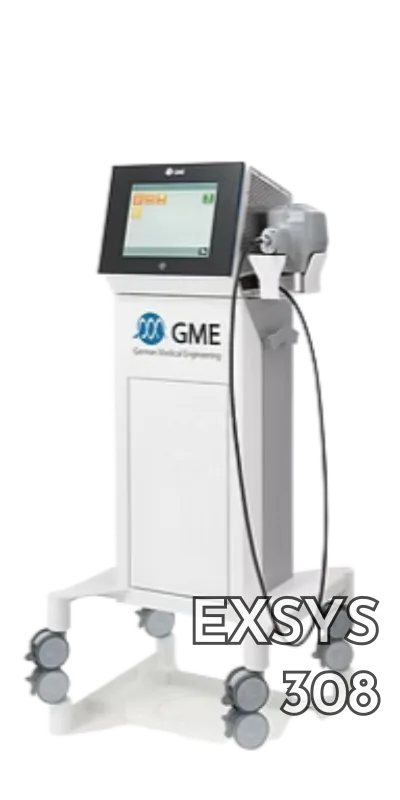 02 / EXCIMER LIGHT
Excimer Light
The excimer laser light is a portable phototherapy device using 308nm ultraviolet light, used mainly to treat vitiligo, psoriasis, and alopecia areata. It works by delivering light only to localized lesions, inducing immune modulation in the skin and promoting pigment regeneration. Because it can be applied directly to the lesion, precise treatment is possible, and its lower cost compared with a standard excimer laser is an advantage. Results can be expected with 2–3 sessions per week, and continued treatment can lead to improvement of symptoms.
Related skin concerns : psoriasis, vitiligo, alopecia areata
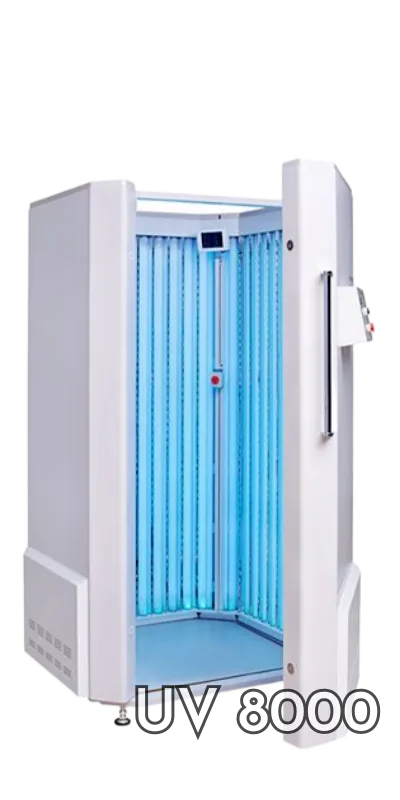 03 / FULL-BODY UVB
Full-Body UV Phototherapy Unit (UV 8000 N.B)
The UV 8000 N.B is a medical phototherapy device that uses narrowband 311nm UVB light to treat immune-related skin conditions such as vitiligo, psoriasis, and atopic dermatitis. It modulates the immune response to ease inflammation and promotes the recovery of skin cells. Full-body treatment makes it especially suitable for patients whose symptoms extend over wide areas, and repeated sessions can relieve symptoms. The skin may redden slightly during treatment but recovers naturally over time.
Related skin concerns : psoriasis, vitiligo, atopic dermatitis, skin inflammation control
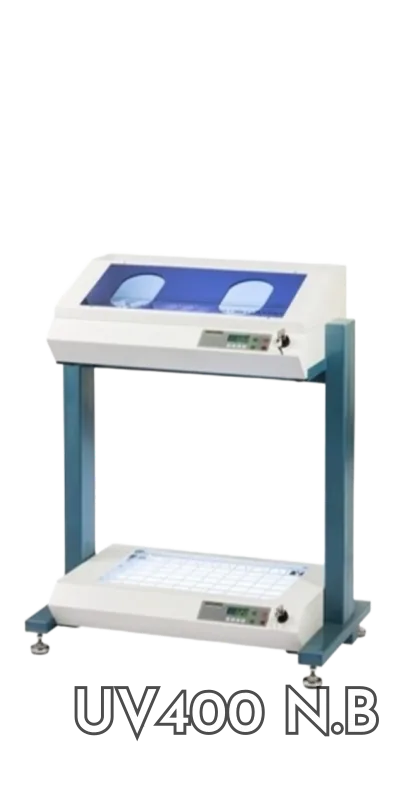 04 / HAND & FOOT UVB
Hand & Foot UV Phototherapy Unit
The hand and foot UV therapy unit is a specialized phototherapy device used mainly to treat psoriasis, eczema, and other conditions occurring on the hands and feet. Using 311nm UVB light, it modulates the skin's immune response, eases inflammation, and promotes skin recovery. Hands and feet are often harder to treat than other areas, but this device makes it possible to improve symptoms effectively. The skin may redden slightly during treatment but recovers naturally over time. Regular sessions allow symptoms to be managed effectively.
Related skin concerns : psoriasis, vitiligo
Treatment Process
Vitiligo treatment process
01
Medical interview and physical exam
We review the patient's medical history, family history, and when symptoms began, and conduct an initial assessment by visually examining the skin.
02
Detailed testing
Tests are performed to differentiate vitiligo from similar skin conditions (tinea versicolor, pityriasis alba, post-inflammatory hypopigmentation, etc.).
03
Treatment planning
Based on the test results, an individualized treatment plan is established, taking into account the patient's age and how far symptoms have progressed.
04
Treatment
Medication, phototherapy and laser treatment, and procedures that assist pigment regeneration, such as micro-punch grafting, are carried out in combination.
05
Monitoring and adjustment
We monitor treatment response and, when needed, adjust the treatment method to manage toward the best possible outcome.
Vitiligo FAQ
Vitiligo:
frequently asked
questions and answers
The main goal of vitiligo treatment is to recover at least part of the lost skin color. The degree and speed of pigment return vary by individual, but improvement is generally slow and gradual.
For example, when phototherapy or ointment treatment continues for several months or more, pigment cells regenerate within the white patches in the form of brown speckles that spread outward, and skin color begins to return. It is difficult, however, for the original color to be fully restored at once; partial repigmentation usually takes place gradually. Pigment gained through treatment can also fade again over time, so maintenance treatment is sometimes needed to keep the results. Rather than the idea of a complete cure, it is realistic to focus on regaining as much skin color as possible through ongoing care and preventing further worsening.
The speed and pattern of vitiligo's progression differ from person to person and are hard to predict. It generally tends to advance slowly, but at times it can spread rapidly. For active vitiligo with frequent new patches, treatments such as a short course of oral corticosteroids (e.g., prednisone) can be tried to slow the progression. Meanwhile, segmental vitiligo, confined to one side of the body, usually begins at a young age, progresses quickly for about 6–12 months, and then generally stops. Non-segmental vitiligo (the common form appearing across the body) has no definite point at which progression fully stops, but treatment can suppress the expansion of patches or slow it down.
No. Vitiligo is not a contagious disease. It is not caused by bacterial or viral infection, and it cannot be passed on through contact with a patient. As a non-infectious skin condition arising from an autoimmune abnormality, skin contact or sharing daily life with someone who has vitiligo carries no risk of transmission whatsoever, so you can be at ease.
Daily care and lifestyle habits also matter in vitiligo. Following the skin care and lifestyle guidelines below helps prevent vitiligo from worsening and keeps the skin healthy.
Sun protection
- Use sunscreen of SPF 30–50 or higher
- Protect the skin with long clothing, hats, parasols, etc.
- Avoid artificial tanning and excessive sun exposure
Preventing skin trauma
- Beware of wounds, burns, and friction (to prevent the Koebner phenomenon)
- Cut down on scratching or rubbing habits
Ways to even out skin color
- Makeup, self-tanning lotions, and skin dyes may be used
- Tattoos should be avoided as they can cause skin damage
Nutrition
- Eat foods rich in vitamin D (oily fish, etc.)
- Take vitamin D supplements if needed, after consulting a doctor
Stress management
- Get sufficient rest and sleep
- Use regular exercise and relaxation techniques
- If psychological distress is significant, professional counseling is recommended
Vitiligo is a condition that can occur in anyone, regardless of age or ethnicity. It appears in roughly 0.5–2% of the world's population, at nearly similar rates regardless of skin color or ethnicity. How noticeable it is, however, can vary with skin color. In people with darker skin or those who tan easily, the color contrast between the white vitiligo patches and the surrounding normal skin is stark, making them stand out more. In people with very fair skin, the white patches may be relatively hard to notice. In terms of age, onset at a young age is common: about 50% of all vitiligo patients experience their first symptoms before age 20, and cases beginning in childhood are frequent.
Segmental vitiligo, confined to one area, is reported relatively often in young children and adolescents; as described above, this form tends to progress briefly in the early phase and then stop. In adults, the non-segmental form, with patches appearing across the body, is more common — but ultimately the underlying pathology of vitiligo does not differ greatly by age.
Vitiligo is a classic autoimmune disease. That is, it develops when an abnormal immune response causes the body to recognize part of itself as an enemy and attack it. For this reason, vitiligo patients often have other accompanying autoimmune diseases or family members with them. The link with autoimmune thyroid disease (such as Hashimoto's thyroiditis and Graves' disease) is especially strong: about 20% of vitiligo patients are reported to also have thyroid disease.
It also tends to co-occur with autoimmune conditions such as alopecia areata, type 1 diabetes, pernicious anemia, psoriasis, rheumatoid arthritis, and lupus. Overlapping genetic predispositions are common, so certain immune-related genes are found in vitiligo patients, and multiple autoimmune diseases sometimes appear within one family. Patients diagnosed with vitiligo are therefore advised to check periodically for other autoimmune diseases (e.g., thyroid function tests).
Consulting Cases
Vitiligo consultation cases
Find your answer through a one-on-one consultation at our clinic, backed by extensive consultation and treatment experience.
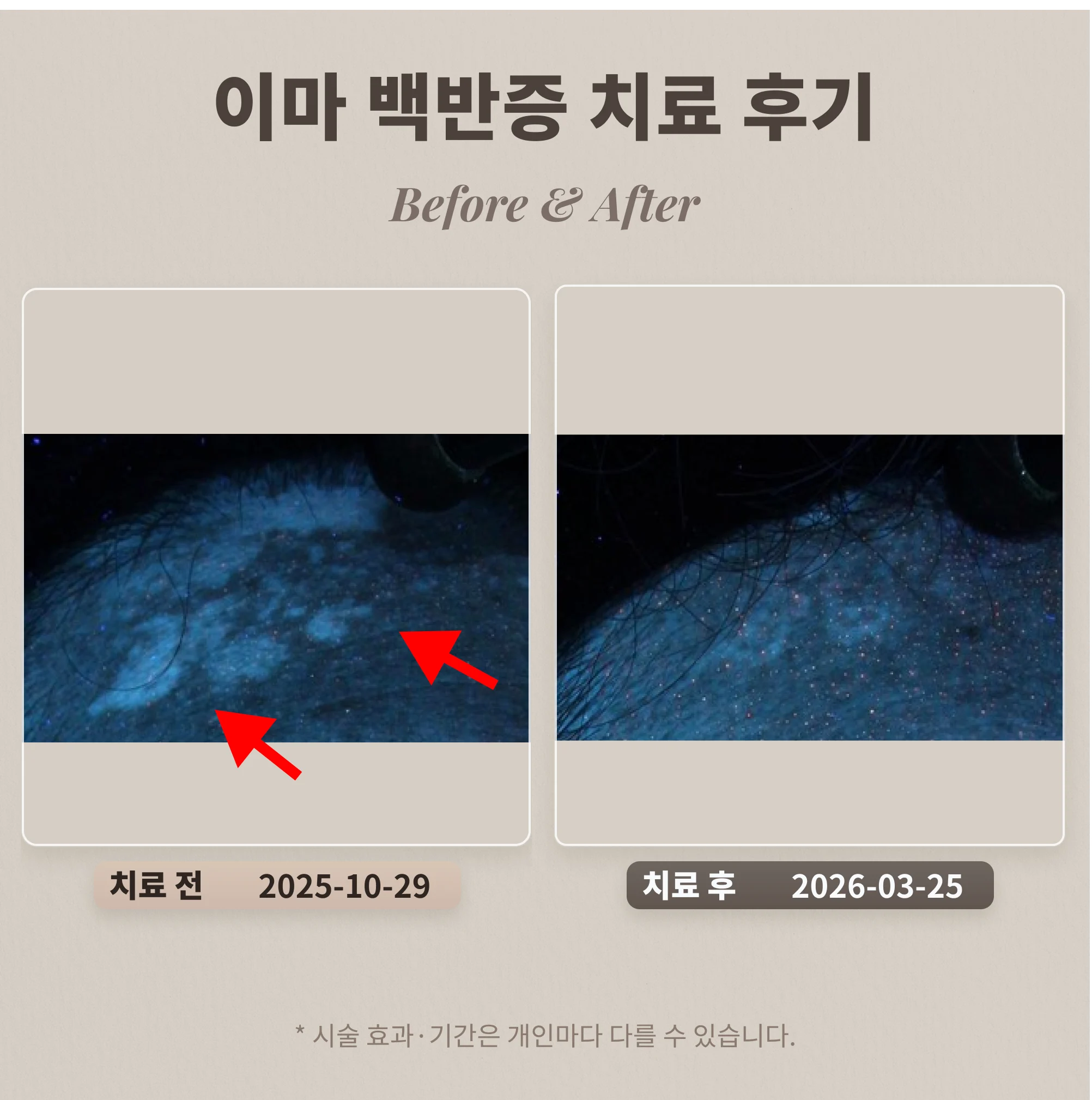 Forehead vitiligo treatment review
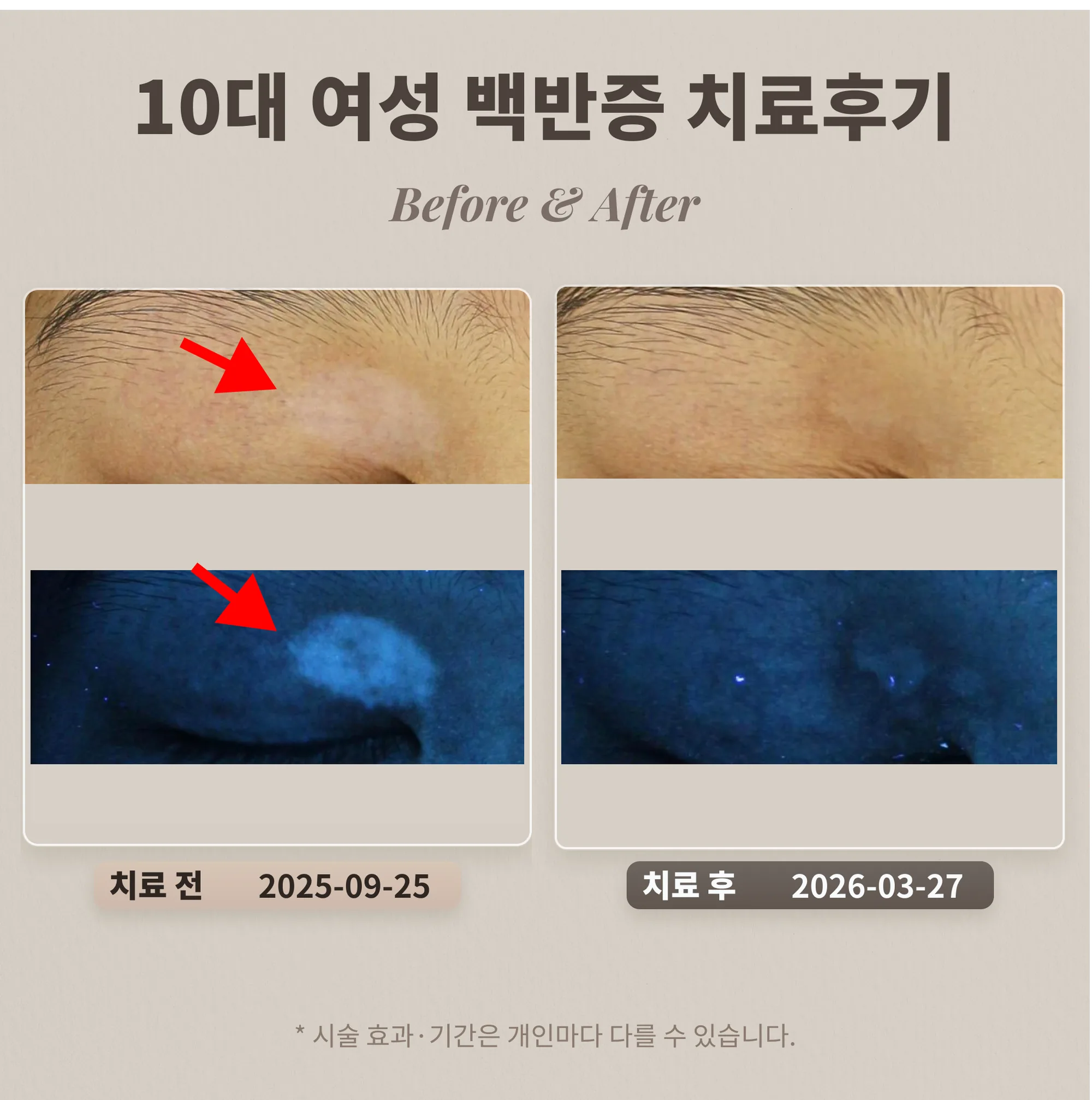 Vitiligo treatment review, teenage girl
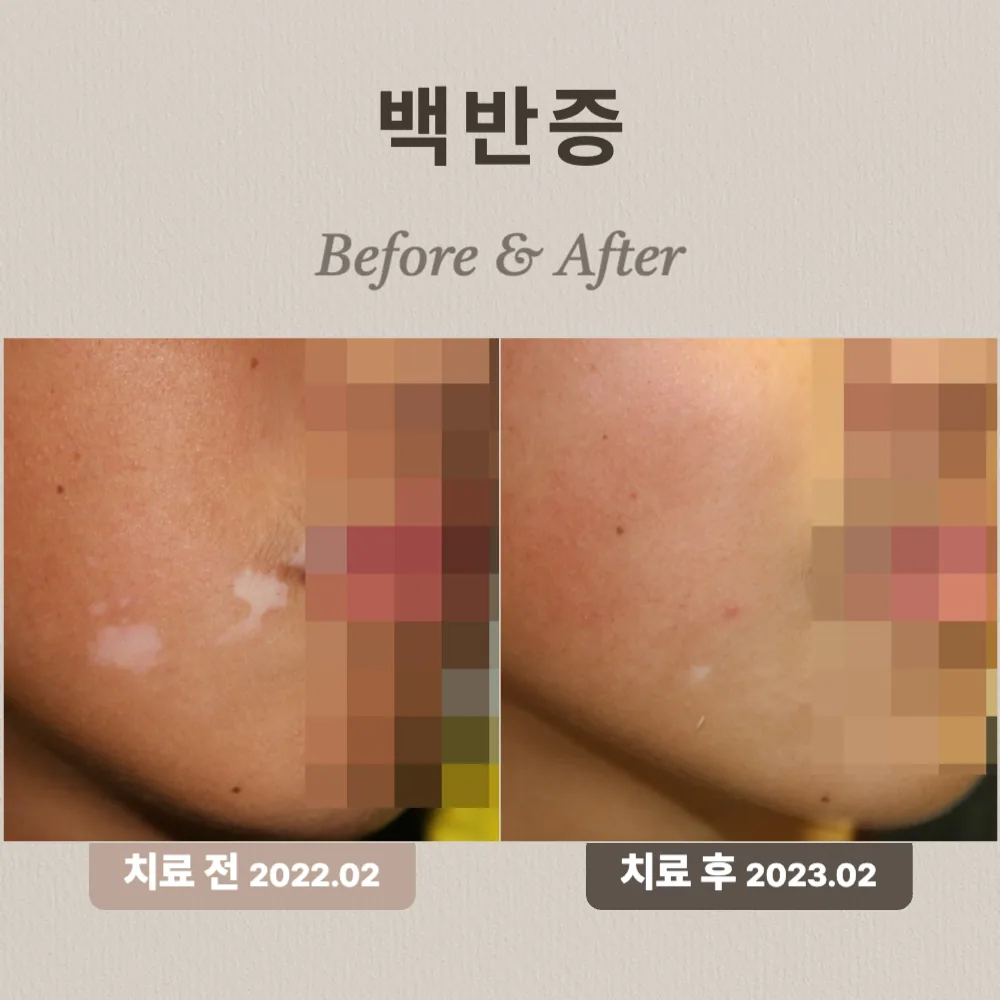 Vitiligo treatment case, 13-year-old child
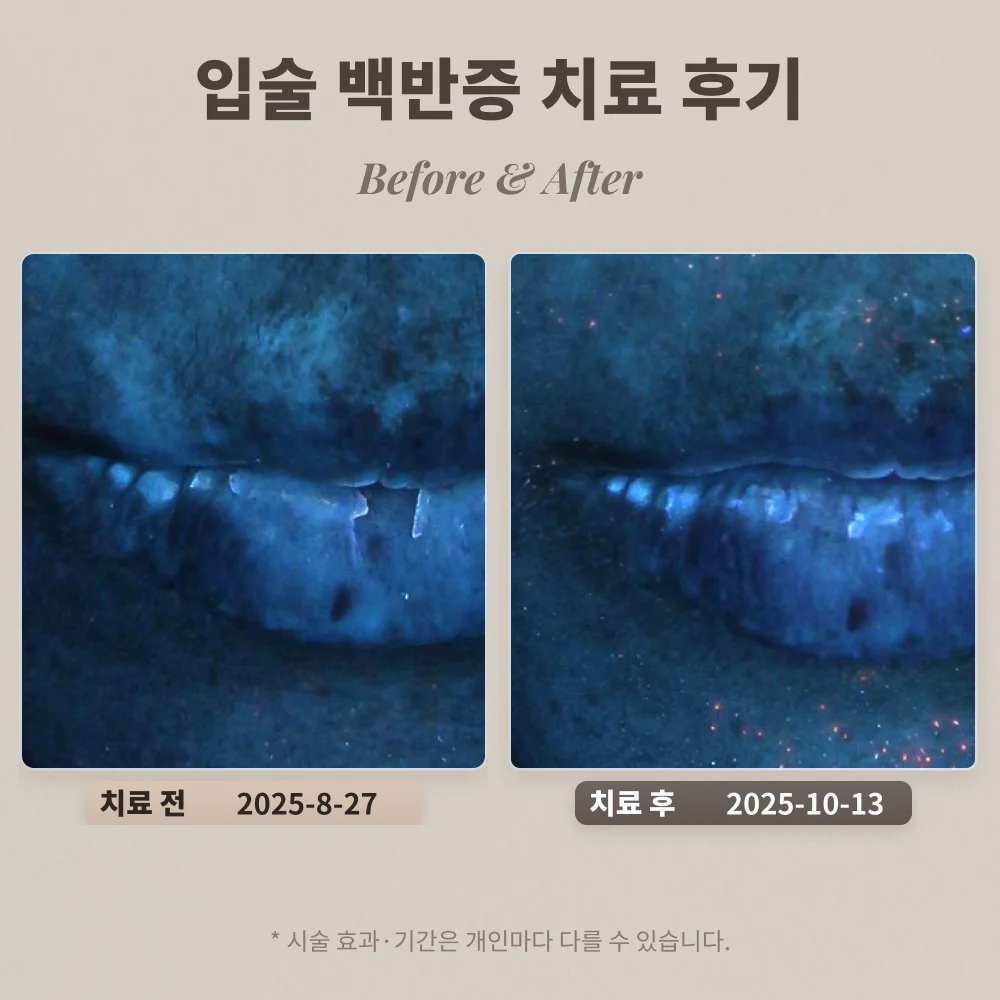 Lip vitiligo treatment review, patient in their 30s #early vitiligo treatment
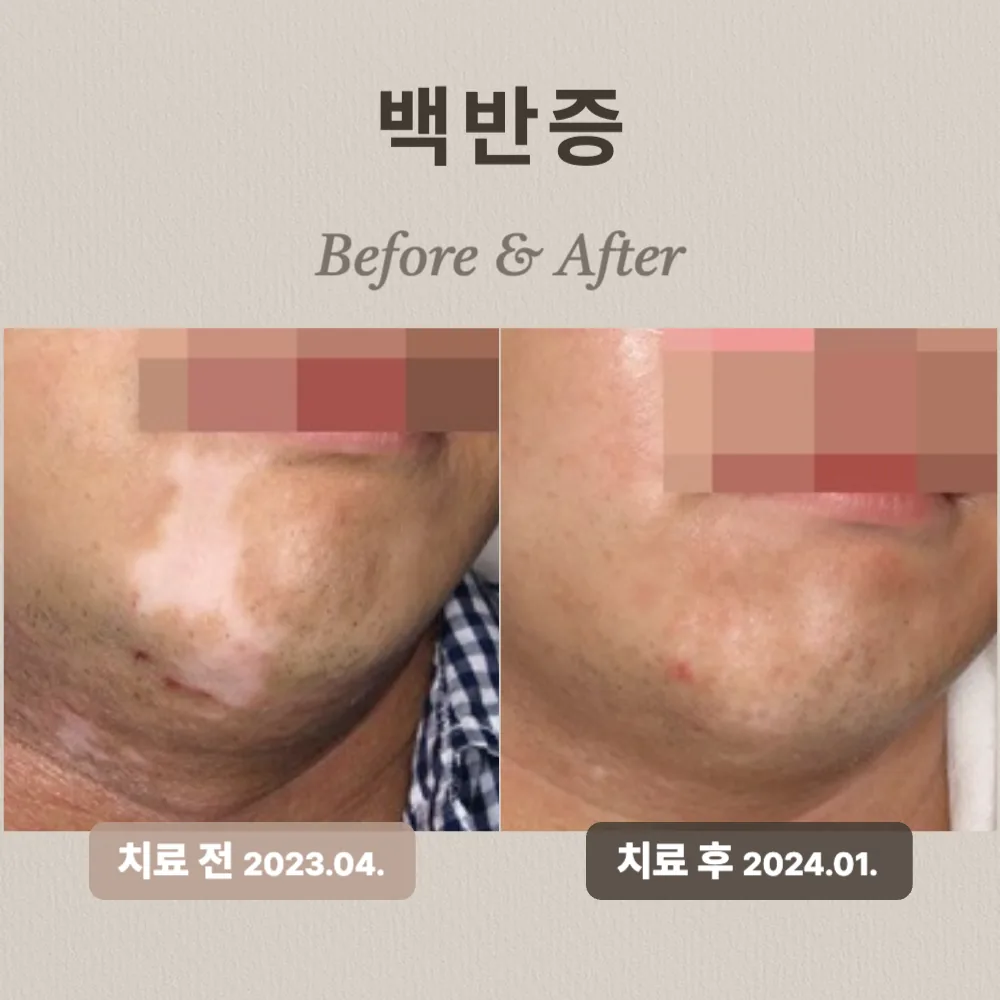 Vitiligo treatment case, man in his 40s
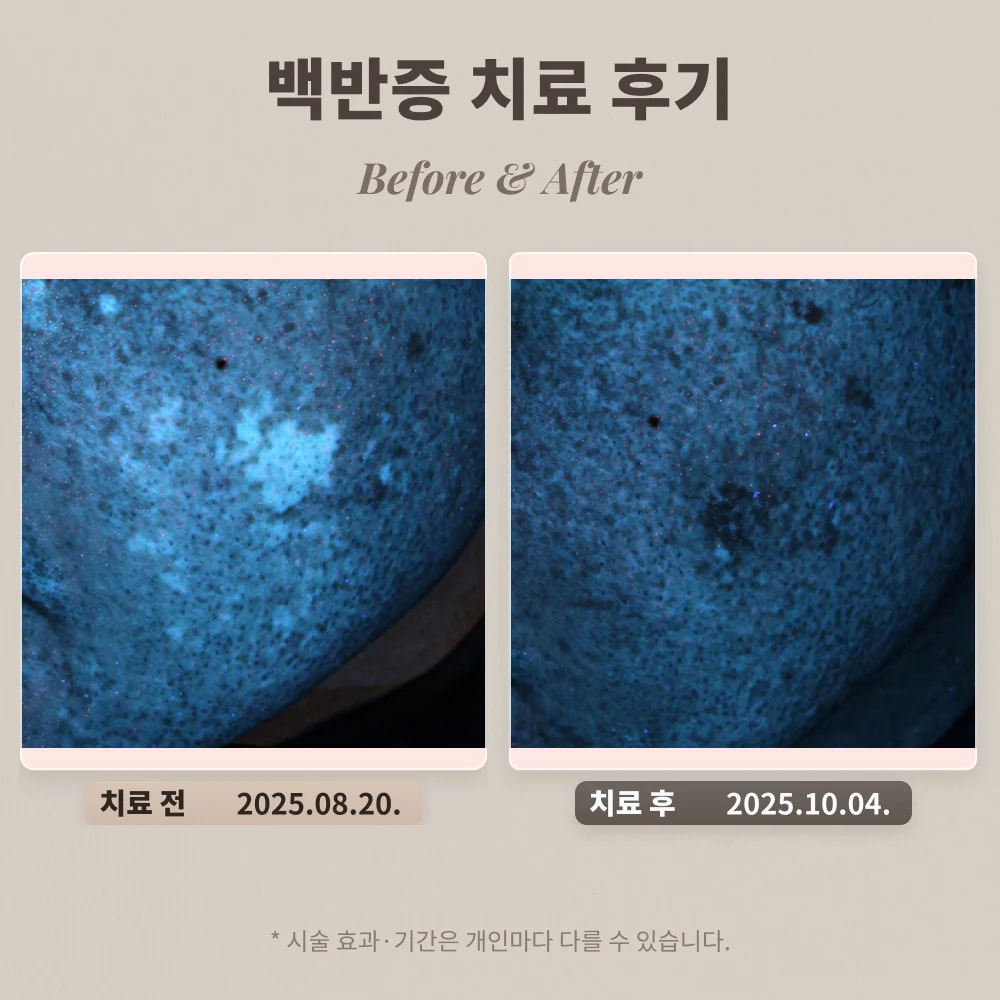 Vitiligo treatment review, man in his 40s #is vitiligo treatment lengthy?
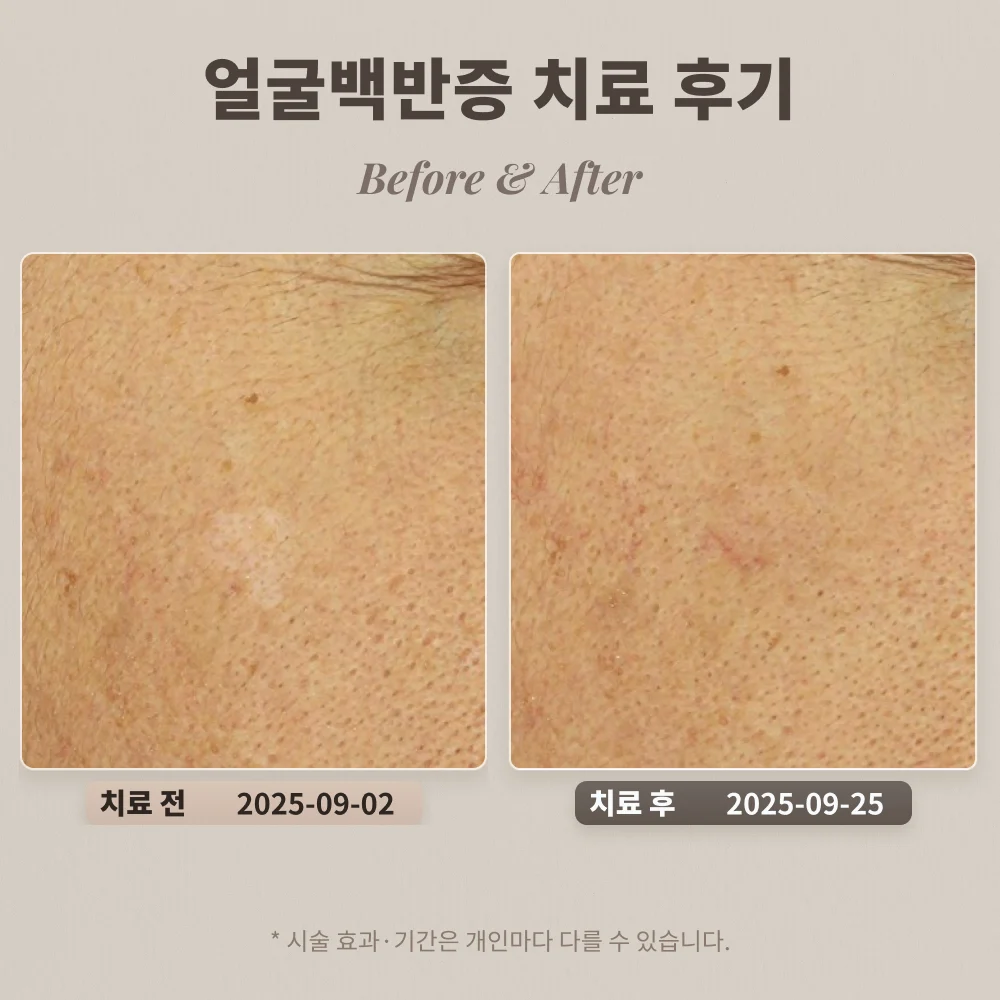 Facial vitiligo treatment review, man in his 50s #vitiligo-specialized dermatology
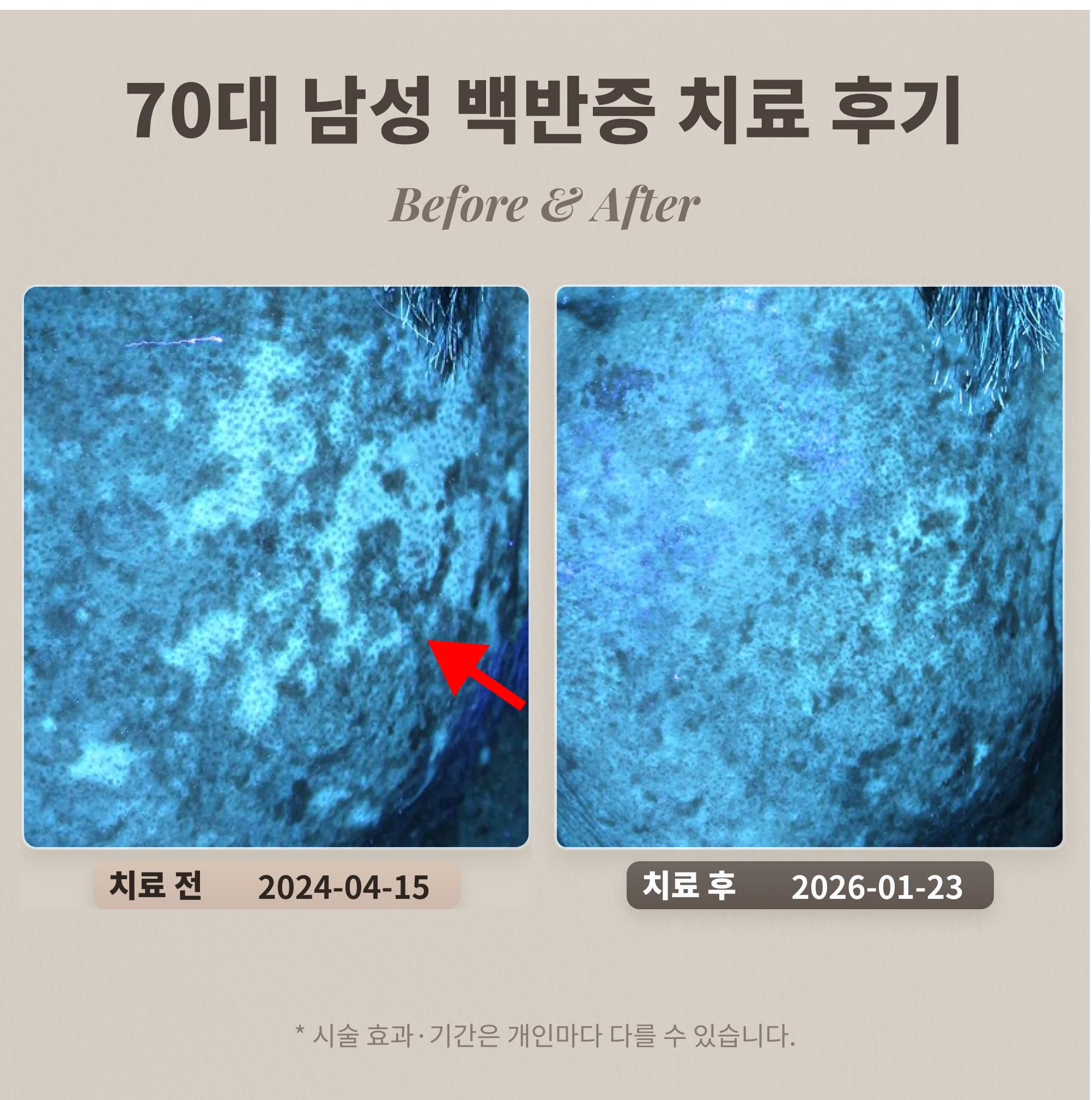 Vitiligo treatment review, man in his 70s
Begin Your Skin Journey
Worried about vitiligo?
Let's find the answer together
Find your answer through a one-on-one consultation at our clinic, backed by extensive consultation and treatment experience.
02-565-8273 Book a Consultation ↗
3F SH Tower, 324 Seolleung-ro, Gangnam-gu, Seoul · 3 min from Hanti Station · 6 min from Seolleung Station
Weekdays
10:00–20:00
(lunch 13:00–14:00) · Sat
09:30–15:30
open through lunch
Closed on Sundays and public holidays
Equipment
이 진료에 함께 쓰는 장비

Velocity Excimer Laser
Used for conditions with well-defined localized lesions, such as vitiligo, psoriasis, and alopecia areata. By narrowly delivering 308nm ultraviolet light to the lesion alone, it modulates overactive immune cells and stimulates melanocytes, reducing exposure of normal skin while helping regenerate pigment.

Excimer Light
Used for vitiligo and psoriasis in small, contoured areas such as the face, scalp, and backs of the hands. A lamp delivers 308nm light directly onto the lesion only, reducing UV exposure of the surrounding normal skin while helping control inflammation and stimulate repigmentation.

Whole-body UV Phototherapy Unit (UV 8000 N.B)
Used for conditions that are difficult to manage with ointments alone, such as psoriasis, vitiligo, and atopic dermatitis spread widely over the body. It selectively delivers only 311nm narrow-band UV light evenly across the whole body to modulate an overactive immune response, which helps improve inflammation and pigmentation over large areas.

Hand & Foot UV Phototherapy Unit
Used for concerns confined to limited areas, such as palmoplantar psoriasis, chronic hand eczema, and dyshidrotic eczema. It delivers concentrated 311nm UV light to the thick-skinned hands and feet, modulating the immune response without whole-body exposure, which helps improve cracking and inflammation.