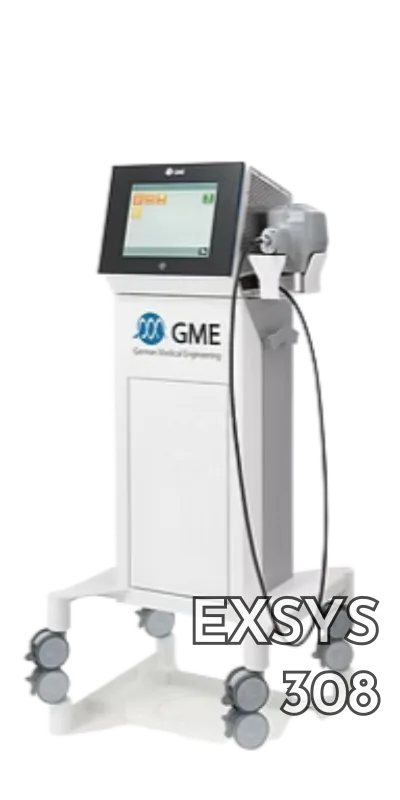
Excimer Light 308nm Targeted Phototherapy System
Excimer Light
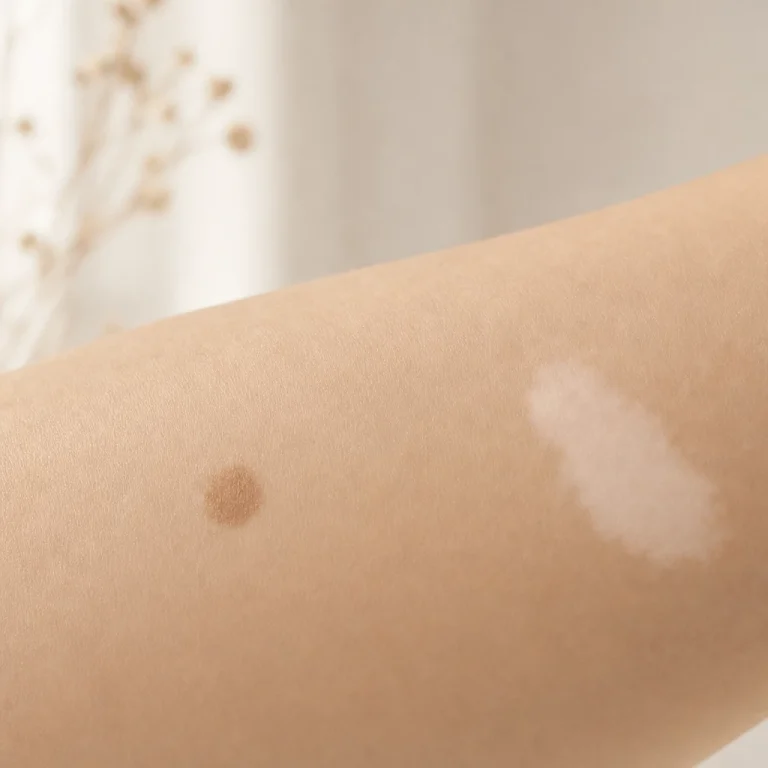
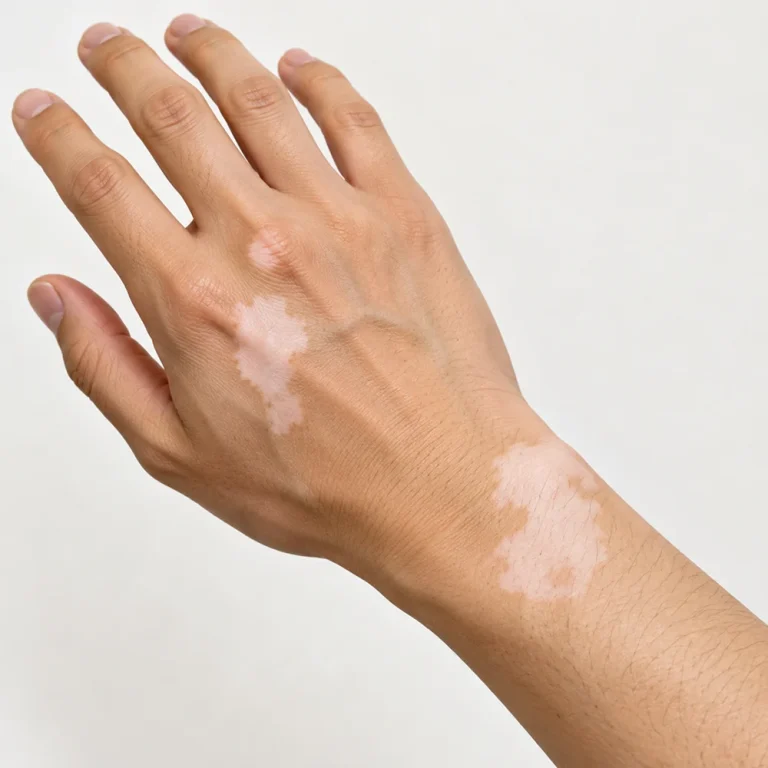
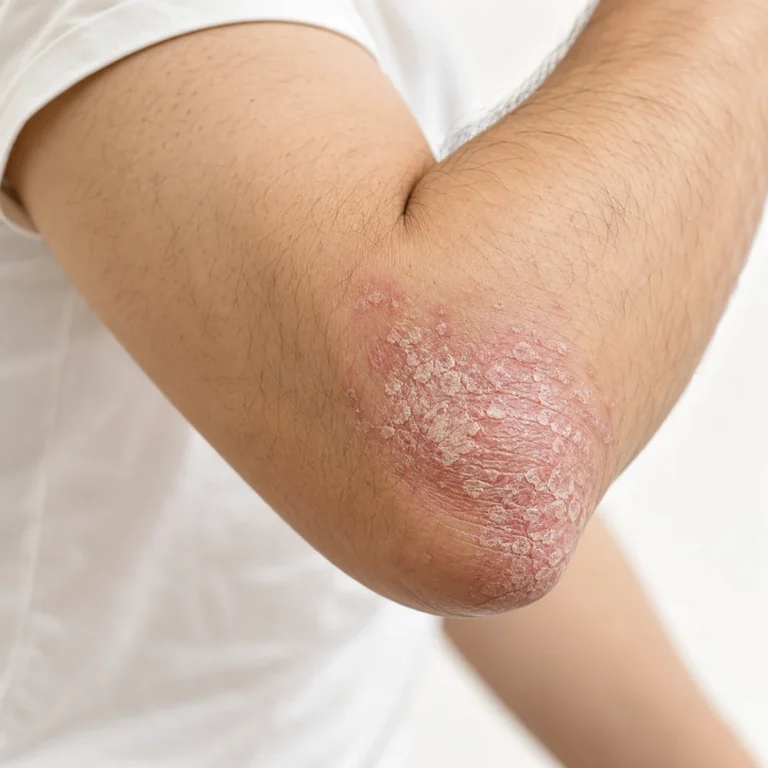
Used for vitiligo and psoriasis in small, contoured areas such as the face, scalp, and backs of the hands. A lamp delivers 308nm light directly onto the lesion only, reducing UV exposure of the surrounding normal skin while helping control inflammation and stimulate repigmentation.
How It Works
How This Equipment Works
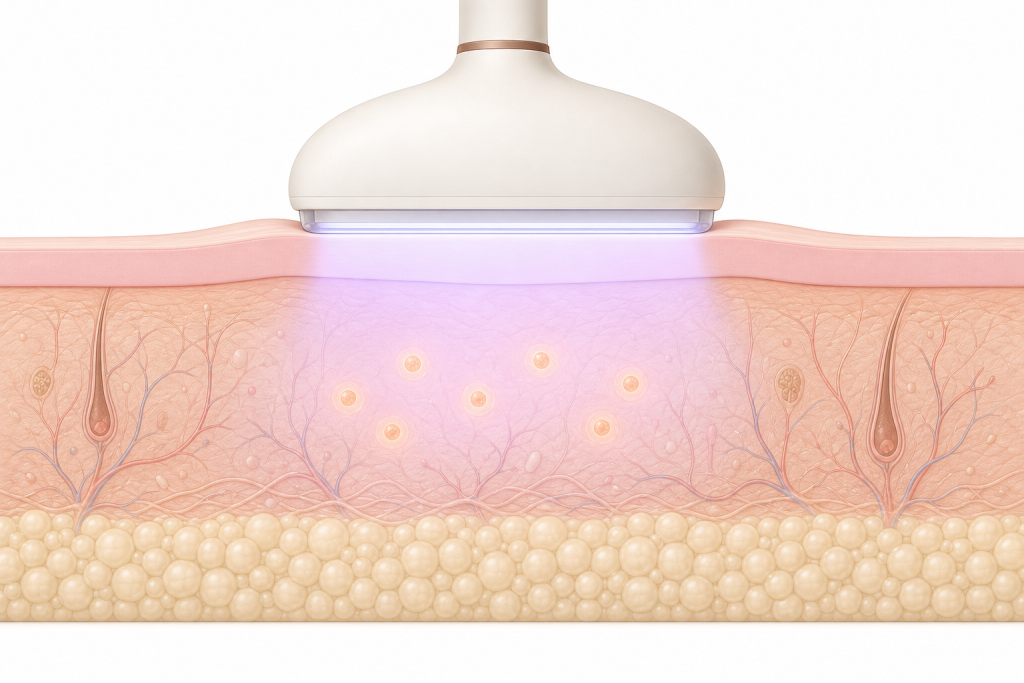
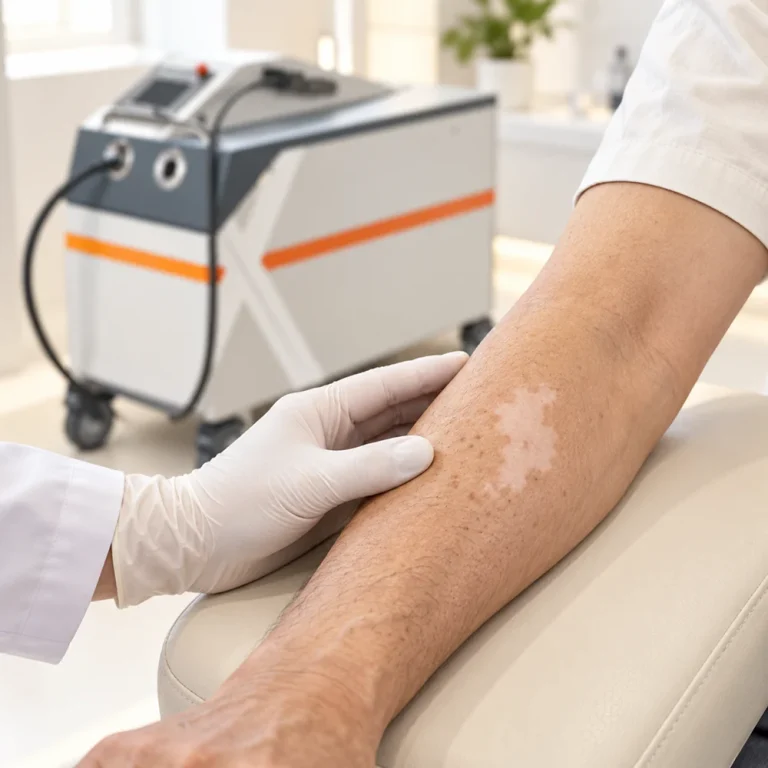
The excimer light is a targeted phototherapy device that generates 308nm UVB with a lamp and irradiates only the lesion. Unlike a laser, the light is non-coherent, but its wavelength and mechanism of action belong to the same family as the excimer laser.
The delivered 308nm light acts on the epidermis and upper dermis, suppressing the function of the T lymphocytes that drive skin inflammation and slowing the excessive proliferation rate of keratinocytes. In vitiligo, it stimulates the remaining melanocytes to induce repigmentation.
Because the applicator is placed directly on the lesion, it can target small, contoured areas such as the face, scalp, and backs of the hands, and it is advantageous for reducing UV exposure of normal skin.
It is also used alongside 311nm whole-body phototherapy, which covers large areas, to supplement remaining localized lesions.
Effects
Expected Effects
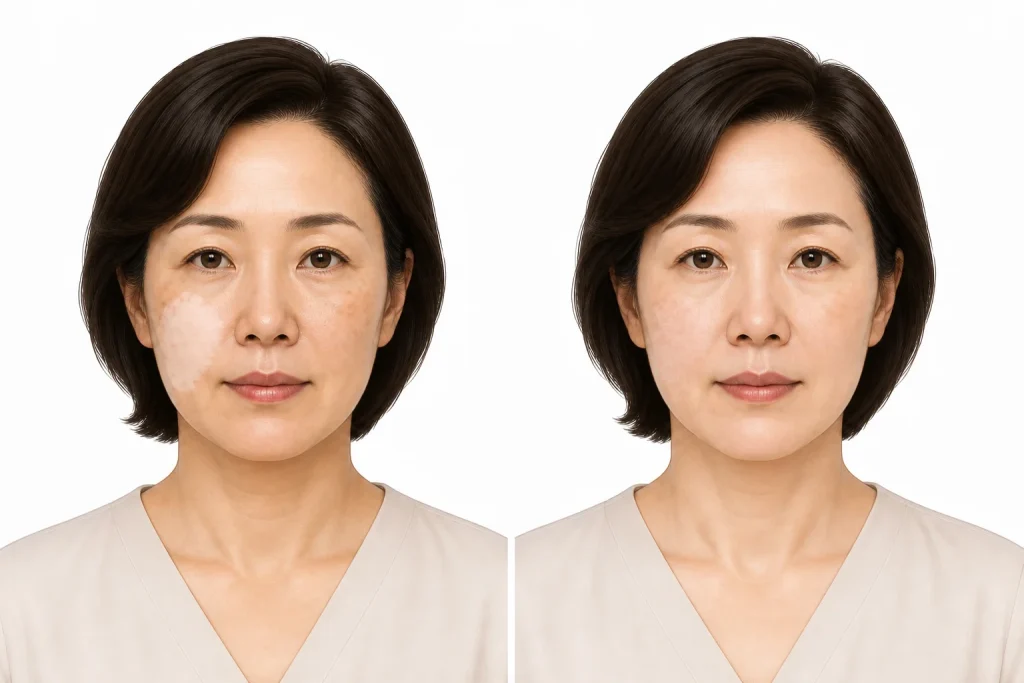
- Helps induce repigmentation in localized vitiligo
- Helps improve scaling and erythema of psoriasis in small areas
- Helps manage lesions in contoured areas such as the face and scalp
- Helps control inflammation in alopecia areata lesions
- Helps improve localized eczema and atopic lesions
- Helps manage residual lesions after whole-body phototherapy
FAQ
Frequently Asked Questions
How long does one session take?
Since only the lesion is irradiated, exposure usually takes just a few minutes. The time varies with the size of the lesion, the number of sites, and the set dose.
Is there pain or irritation during treatment?
You feel only mild warmth or a light tingling at the treated area, and it is performed without anesthesia. Temporary redness may appear after treatment; an excessive dose can cause burning or blisters, so the response is monitored and adjusted.
How should I care for my skin after treatment?
You can return to daily life immediately after treatment, and there are no restrictions on washing or showering. Apply moisturizer generously and avoid additional UV exposure of the treated area; if redness lasts more than a day, let us know at your next visit.
How often and how many sessions are needed?
Treatment is usually given 2–3 times a week, with changes appearing as sessions accumulate. Since vitiligo and psoriasis are chronic diseases, a plan of 20 or more consistent sessions is set, and the interval is extended for maintenance as improvement progresses.
Can it be combined with ointments or oral medication?
Combination therapy with topical steroids, calcineurin inhibitors, and vitamin D analogue ointments is common. It may also be combined with whole-body phototherapy or oral medication; be sure to tell your doctor in advance if you are taking drugs that can cause photosensitivity.
※ Treatment results and responses may vary from person to person, and side effects may occur. Please consult us during your visit for details.