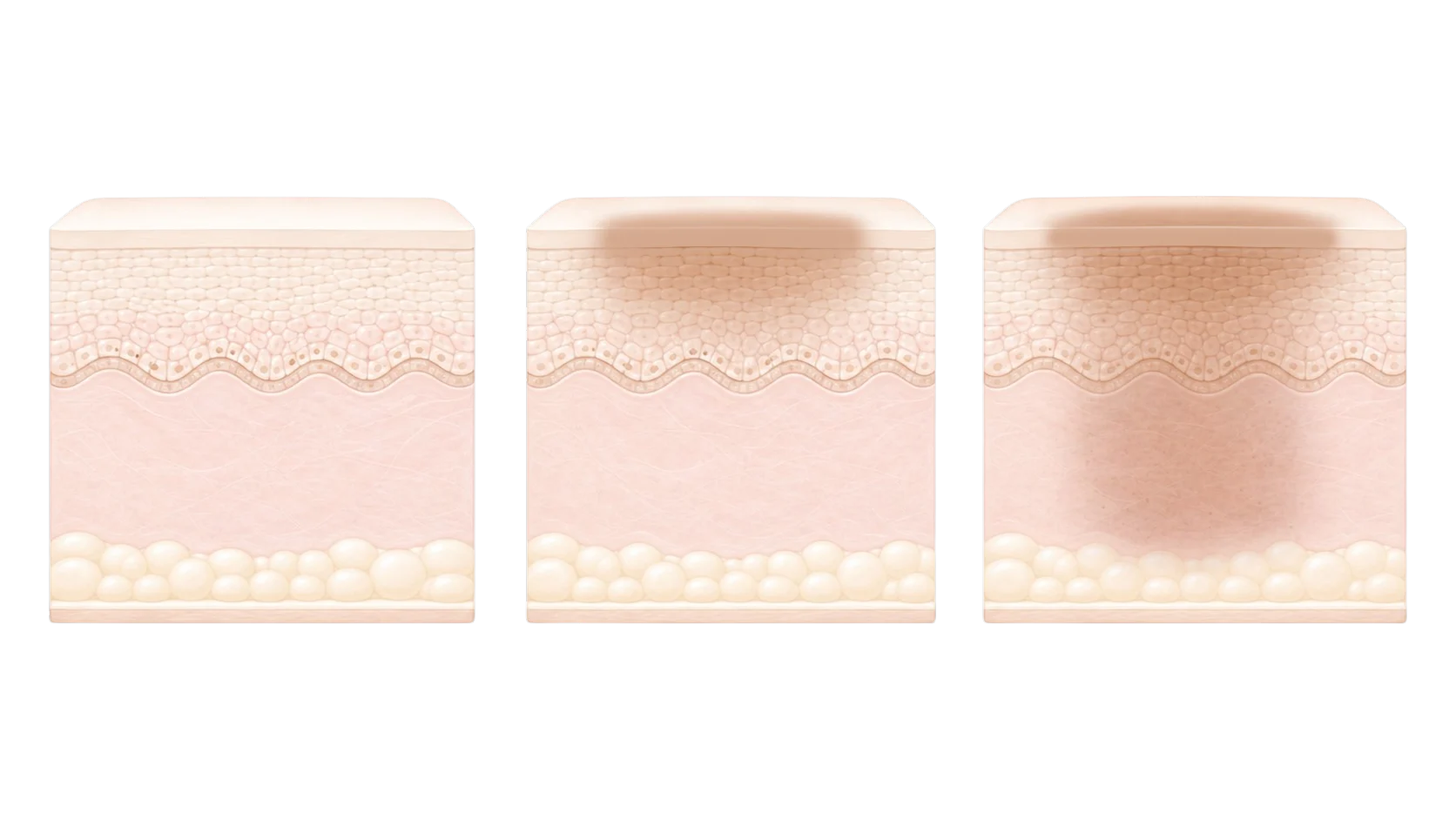
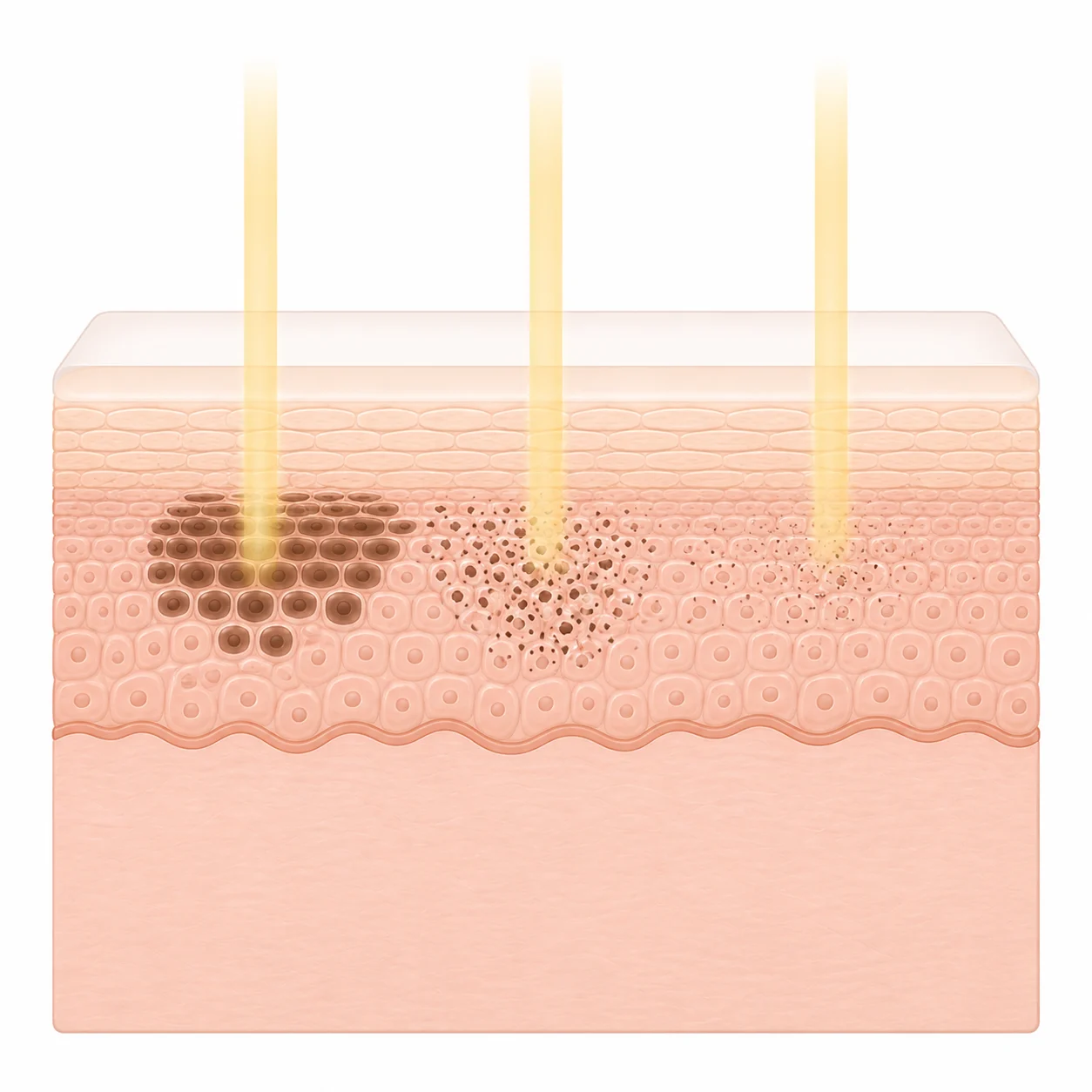
Pigment accumulates in the outermost layer of the skin (epidermis); it is relatively easy to treat.
Pico Toning & Laser Toning
Pico Toning and Laser Toning
Melasma Treatment
Explained
If melasma has been weighing on you, you are probably wondering which treatment actually works. Melasma is not a simple pigmented spot but a pigment problem seated deep within the skin, so rather than jumping into aggressive procedures, you need to choose a method that suits your skin's condition.
The most representative treatments are laser toning and pico toning. Both use lasers to reduce melanin pigment. Let us walk you through them one by one.

SKIN
EXPERT
EXPERT
Meet Your Specialist
Jaewon Choi Medical Director
Board-certified dermatologist
Melasma is a pigmentary condition whose treatment approach changes with the depth of the pigment and the state of the skin. Dr. Jaewon Choi, who oversees pigmented lesion care, diagnoses your melasma precisely and decides with you on the right direction between pico toning and laser toning.
“Going beyond simple treatment, we provide scientific skin solutions grounded in extensive clinical experience and proven procedures.”
- Graduated from Hanyang University College of Medicine
- Dermatology residency, Asan Medical Center
- M.S. in Dermatology, University of Ulsan College of Medicine Graduate School
- Best Presentation Award, Korean Society of Dermatopathology (2018)
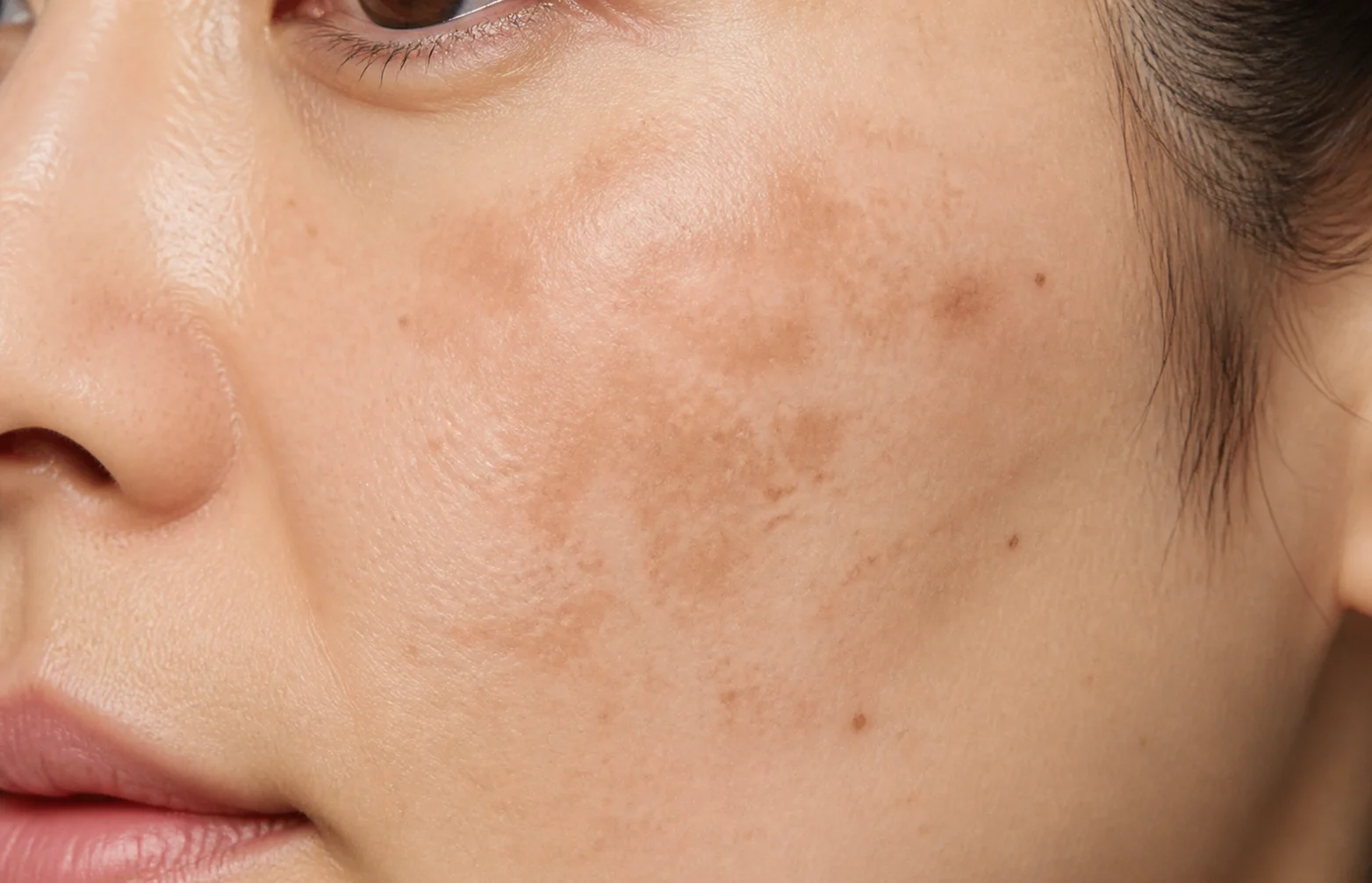
Why Melasma Develops
Why melasma develops
Melasma does not arise from a single cause. Several factors act together.
01
UV exposure
Prolonged sun exposure activates melanocytes and deepens pigmentation.
02
Hormonal changes (pregnancy)
Pregnancy, oral contraceptives, and shifts in female hormones can play a role.
03
Genetic factors
With a family history, melasma is more likely to develop.
04
Skin inflammation
Pigment left behind after inflammation can develop into melasma.
05
Aging
With age, the skin's regenerative capacity declines and pigment accumulates further.
Melasma patches that look alike to the eye actually differ in depth. This is something you must understand before treatment, so let us explain it first.
Depth Of Pigment
Differences in melasma depth lead to
differences
in how it is treated
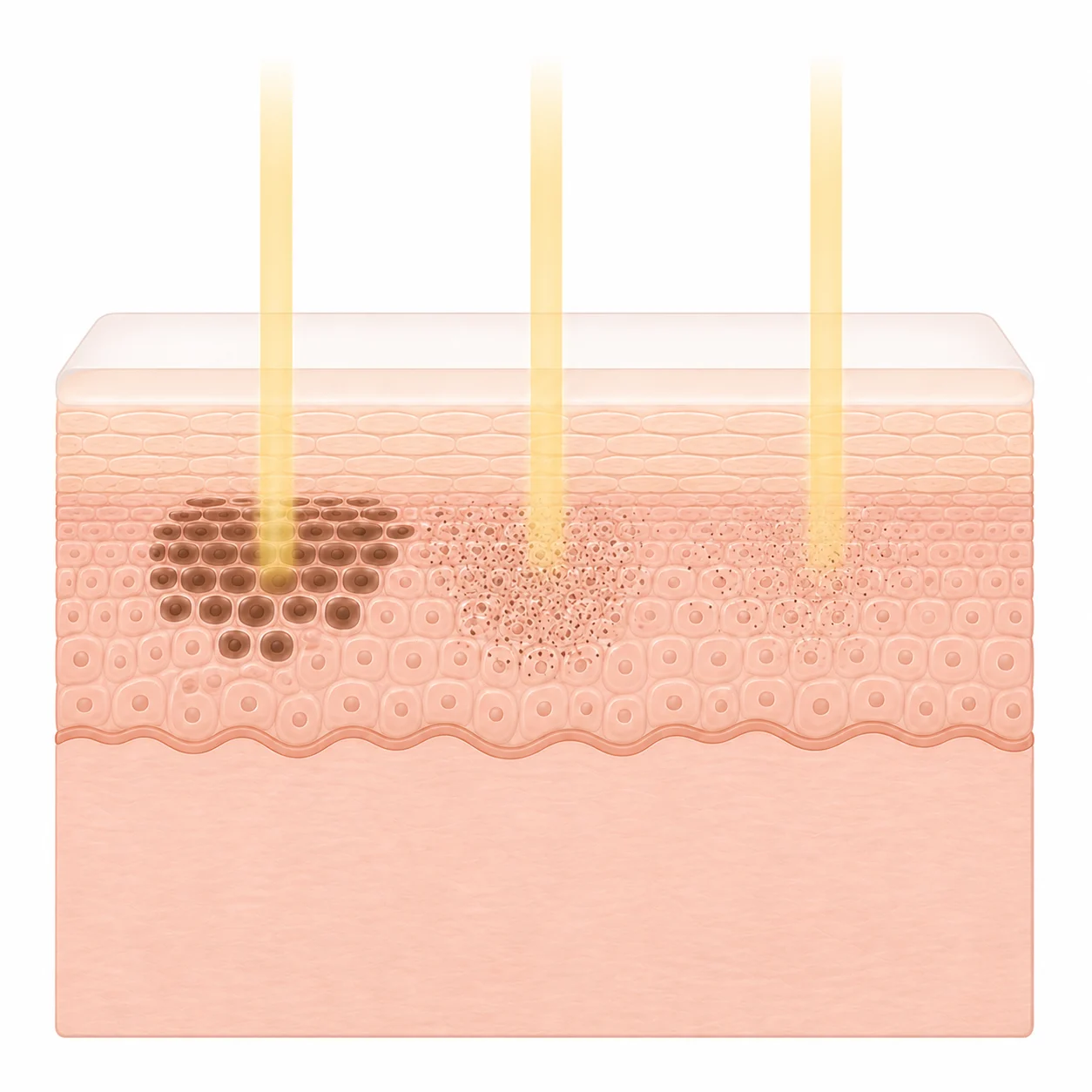
Each type of melasma calls for a different approach. Please refer to the image below.
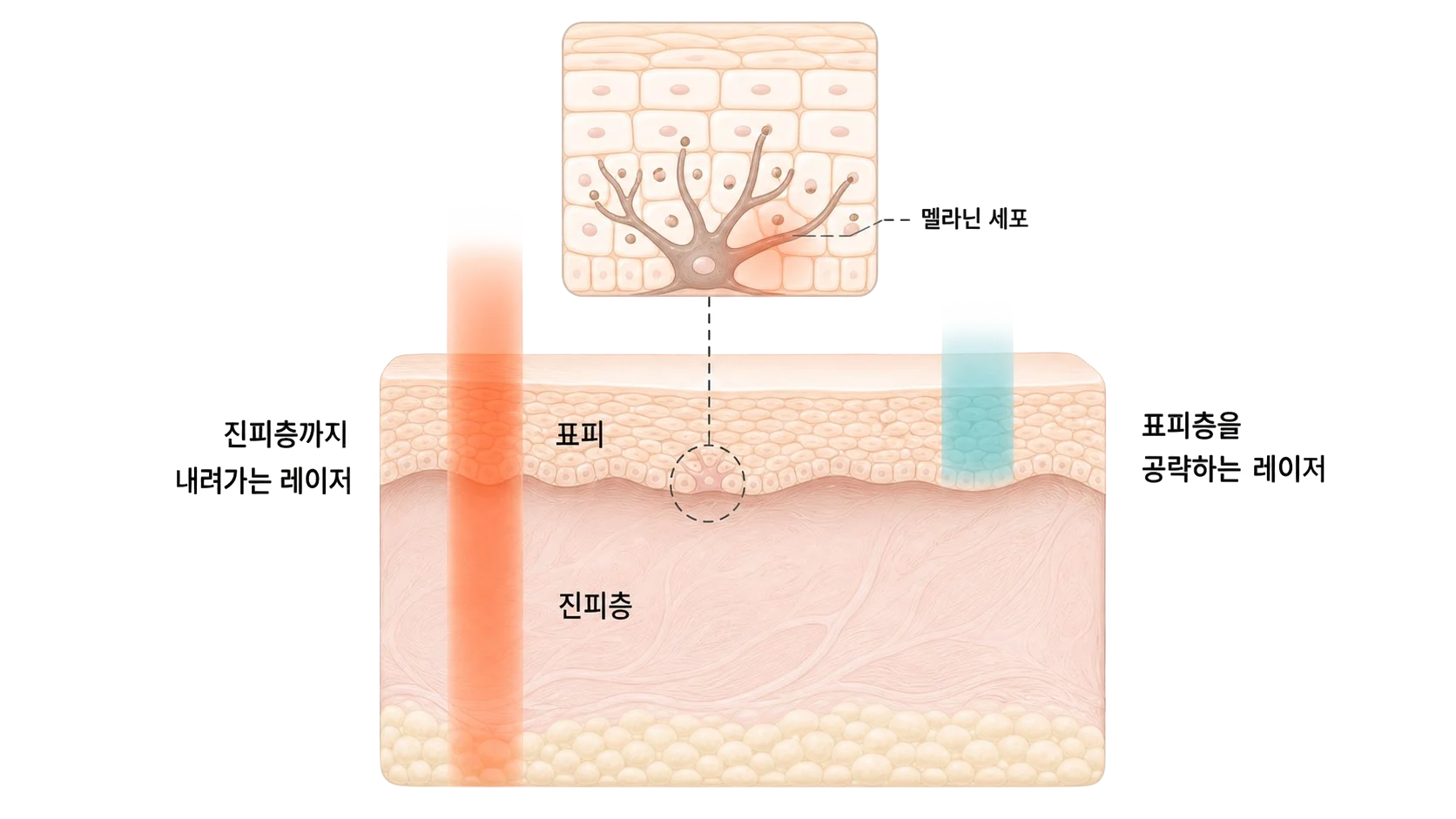
The pigment sits deep in the skin (dermal layer), making treatment more challenging.
The pigment spans both the epidermis and dermis, requiring more refined treatment.
Wavelength & Depth
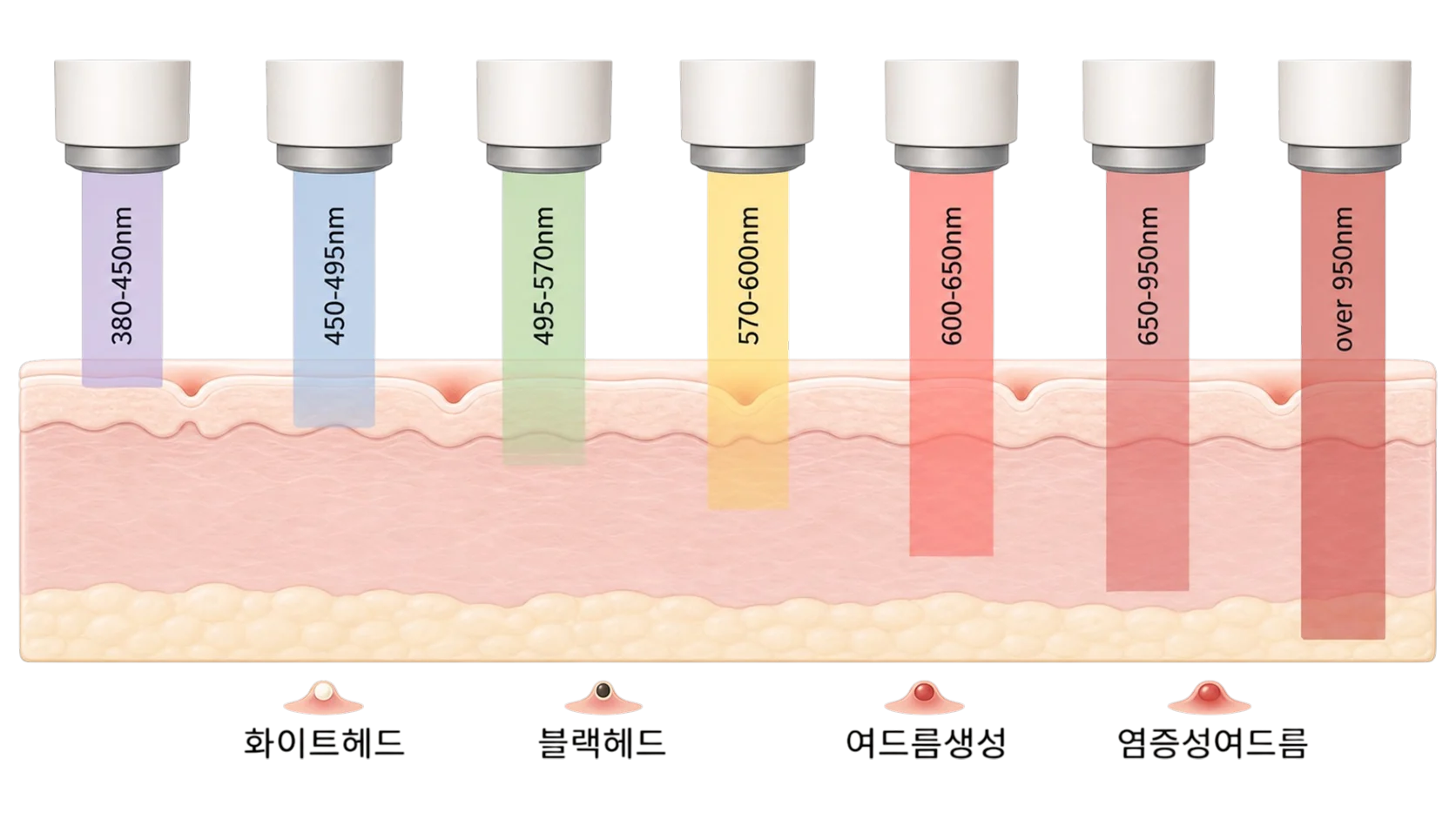
The laser
wavelength
also varies with depth
Every laser has a set wavelength, and how deep it can penetrate depends on that wavelength. Treatment simply matches the wavelength to the depth at which the melanin sits.
However, the location and nature
of melanocytes
create a problem.
Melanocytes sit between the dermis and the epidermis. Melasma (pigment) located in the epidermal layer can be removed with strong energy. (That part is actually rather easy.) But to remove melanin pigment lying beyond the melanocytes, the laser has to pass through the layer where the melanocytes sit.
Why Not Strong Lasers
So what happens when
a strong laser passes through
these melanocytes?
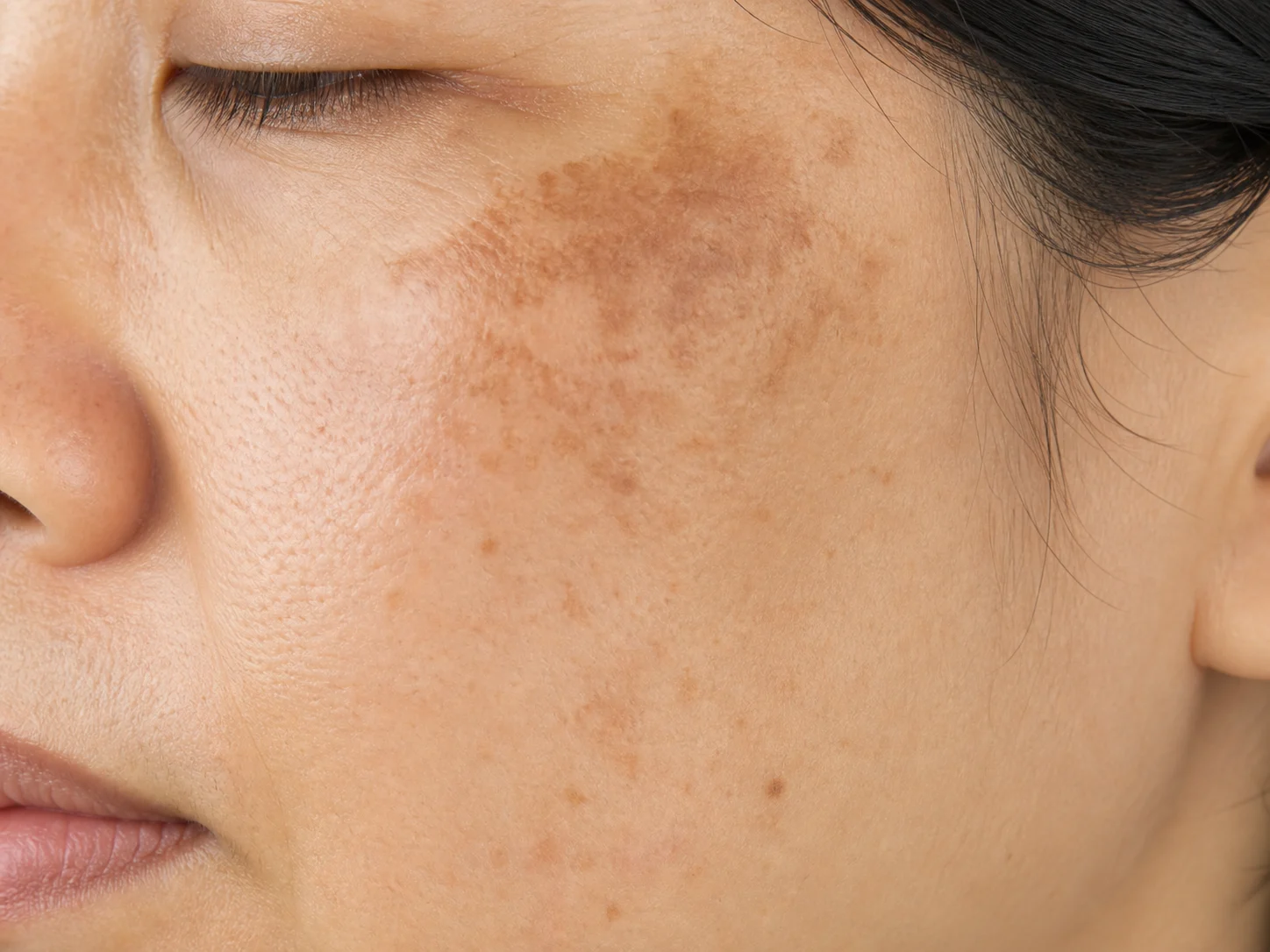
Their defense mechanism kicks in, and the melanocytes begin releasing melanin. In trying to remove melanin, you end up producing more of it.
The result can be side effects
such as hyperpigmentation.
Low-Fluence Laser Toning
For melasma treatment:
low-fluence laser toning!
Low-fluence laser toning delivers low-energy laser pulses repeatedly to reduce melanin pigment gradually. Rather than destroying melanin all at once with a strong laser, it improves melasma step by step while keeping the burden on the skin to a minimum.
How low-fluence (gentle) laser toning works
A low-fluence laser wavelength breaks down melanin evenly, from the epidermis to the dermal layer.
By avoiding strong heat damage, it keeps melanocytes from overreacting and prevents hyperpigmentation.
Repeating treatment at regular intervals softens melasma in a stable, controlled way.
That is why, unlike ordinary pigment treatments, ‘melasma treatment truly requires 10 or more sessions.’
High-end Treatment Equipment
Lumiin's
melasma-treating
toning devices
We choose the device according to the depth of the pigment and the condition of the skin. Here are the main devices we use for melasma treatment.
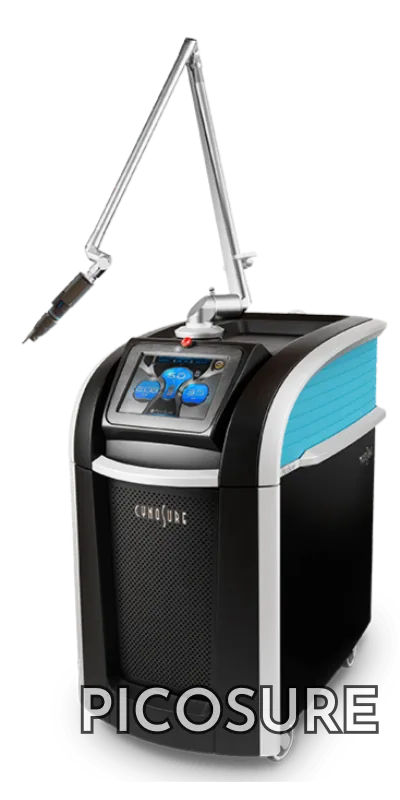
PicoSure
PicoSure is an innovative laser device that uses a 755nm picosecond laser to help with blemishes, pigmentation, tattoo removal, and skin texture improvement. It emits ultra-fast laser energy over a period 100 times shorter than conventional nanosecond lasers, shattering pigment into finer particles while reducing heat damage to surrounding tissue and thus minimizing side effects. It treats a wide range of pigmented lesions - melasma, nevus of Ota, freckles, tattoos - effectively, while also stimulating collagen production within the skin to help improve elasticity and texture. With fewer sessions and shorter downtime than conventional laser treatments, it suits busy modern lifestyles.
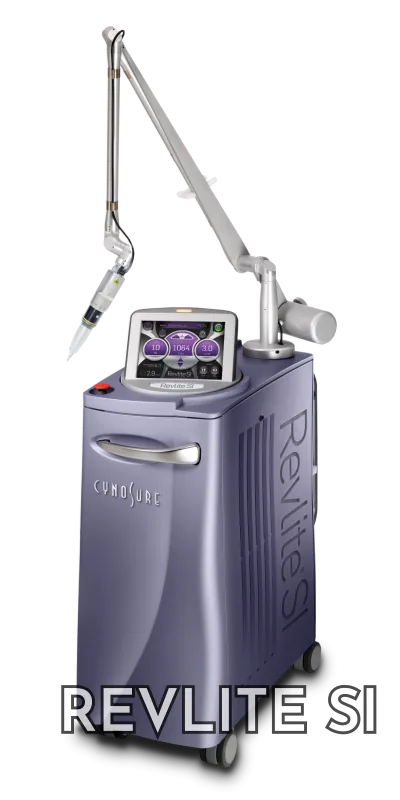
RevLite
RevLite is a gentle laser toning device based on a Q-switched Nd:YAG laser, used to help improve melasma, blemishes, pigmentation, and redness. Its laser energy reaches deep into the skin to break down melanin effectively while minimizing damage to the skin, allowing pigment treatment with relatively little burden. The laser's subtle thermal stimulation also induces collagen production, so an improvement in skin texture can be expected as well. It delivers energy more evenly than conventional laser toning, maximizing its brightening and blemish-softening effects, and it also helps treat redness and telangiectasia. The skin may look slightly red right after the procedure, but recovery is quick and irritation minimal, so daily life is barely disrupted.
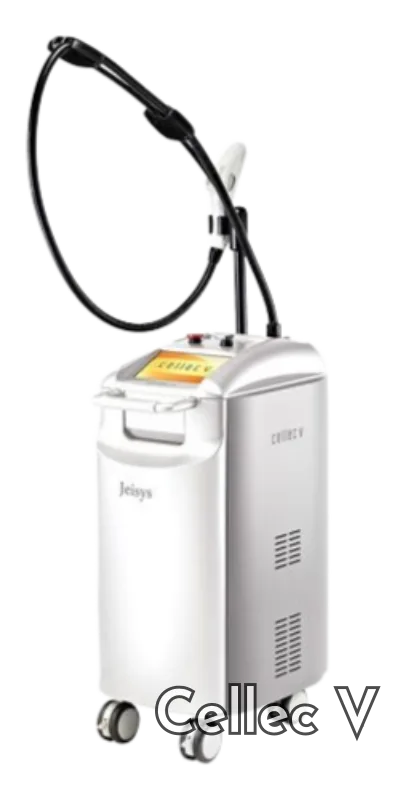
Cellec V
Cellec V is a device based on IPL (Intense Pulsed Light) technology, distinguished by its 9 filters that allow customized treatment for a variety of skin concerns. It is effective at calming redness and telangiectasia and improving pigmented lesions such as melasma, blemishes, and freckles. It is also used to suppress acne bacteria, reducing inflammation and softening acne marks. It helps increase skin elasticity and improve pores, and a hair-removal effect targeting melanin pigment can also be expected. Thanks to its patented cooling system, the procedure involves little pain, and with no scabbing or severe redness afterward, you can return to daily life quickly. Temporary redness may appear after treatment but gradually subsides over time, and with consistent care it helps maintain a clear, even skin tone.
Pico vs. Laser Toning
Pico toning vs. laser toning:
the differences
The difference between pico and conventional laser toning can be summed up simply as a difference in precision. If conventional laser toning is like breaking melanin pigment (a boulder) with a hammer, pico toning uses a smaller hammer to crush small pebbles into finer pieces.
| Category | Laser toning | Pico toning |
|---|---|---|
| Laser type | Pulses in nanoseconds (billionths of a second) | Pulses in picoseconds (trillionths of a second) |
| Pigment removal | Breaks down melanin gradually | Shatters it into smaller particles for faster removal |
| Skin damage | Relatively low irritation | Minimal damage to surrounding tissue |
| Number of sessions | Multiple sessions required | Improvement in relatively fewer sessions |
| Pain and recovery | Relatively low burden | Shorter pulse time reduces the burden on the skin |
The Right Way To Treat
Melasma treatment:
what is the
right approach?
When considering melasma treatment, the most important thing is an accurate diagnosis. Simply thinking, “It's melasma, so I should get pico toning,” can be risky. Melasma is not mere pigmentation - it is a pigmentary condition in which the depth of the melanin, vascular involvement, skin condition, and other factors all interact. Effective treatment therefore requires a careful analysis of your skin. Even the same melasma calls for different treatments depending on whether it sits in a shallow layer, lies deep, or is linked to blood vessels.
When choosing a laser for melasma treatment, what matters most is targeting the melanin precisely while minimizing side effects.
Melasma recurs frequently and can worsen with the wrong kind of stimulation. That is why the most important step is consulting an experienced board-certified dermatologist, getting an accurate diagnosis, and choosing the treatment best suited to you. Rather than rushing into treatment without a proper diagnosis, seek professional advice on what suits your skin. The dermatologist's experience and the range of available equipment determine the success of melasma treatment.
Above all, melasma treatment is not a one-off procedure but a process that requires consistent care and a treatment plan.
Please don't wrestle with it alone - decide on treatment only after consulting a specialist.
Consulting Cases
Melasma toning treatment consultation cases
Find your answer through a one-on-one personalized consultation at our clinic, backed by extensive consultation and treatment experience.
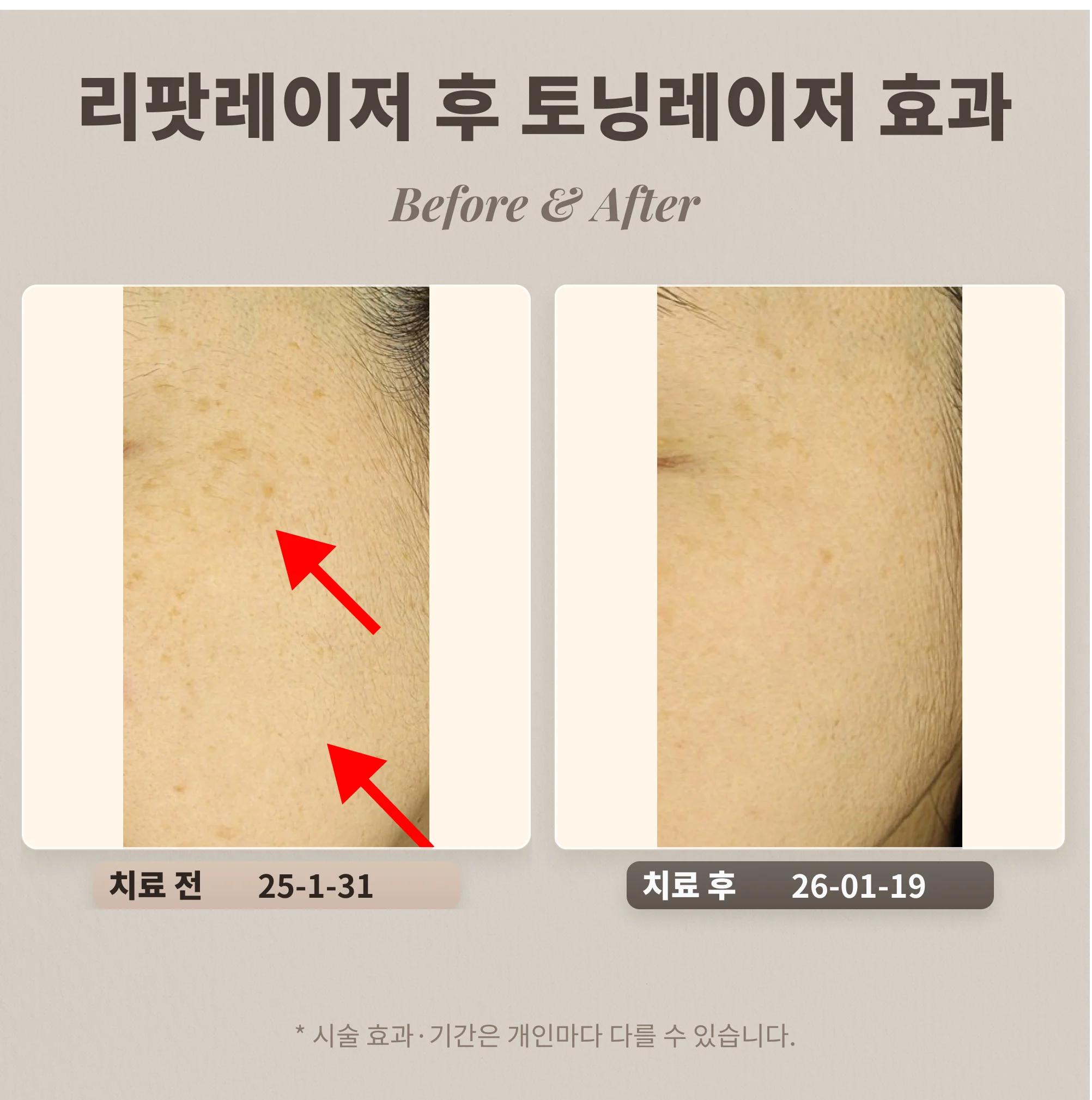 What can toning treatment do after REEPOT laser?
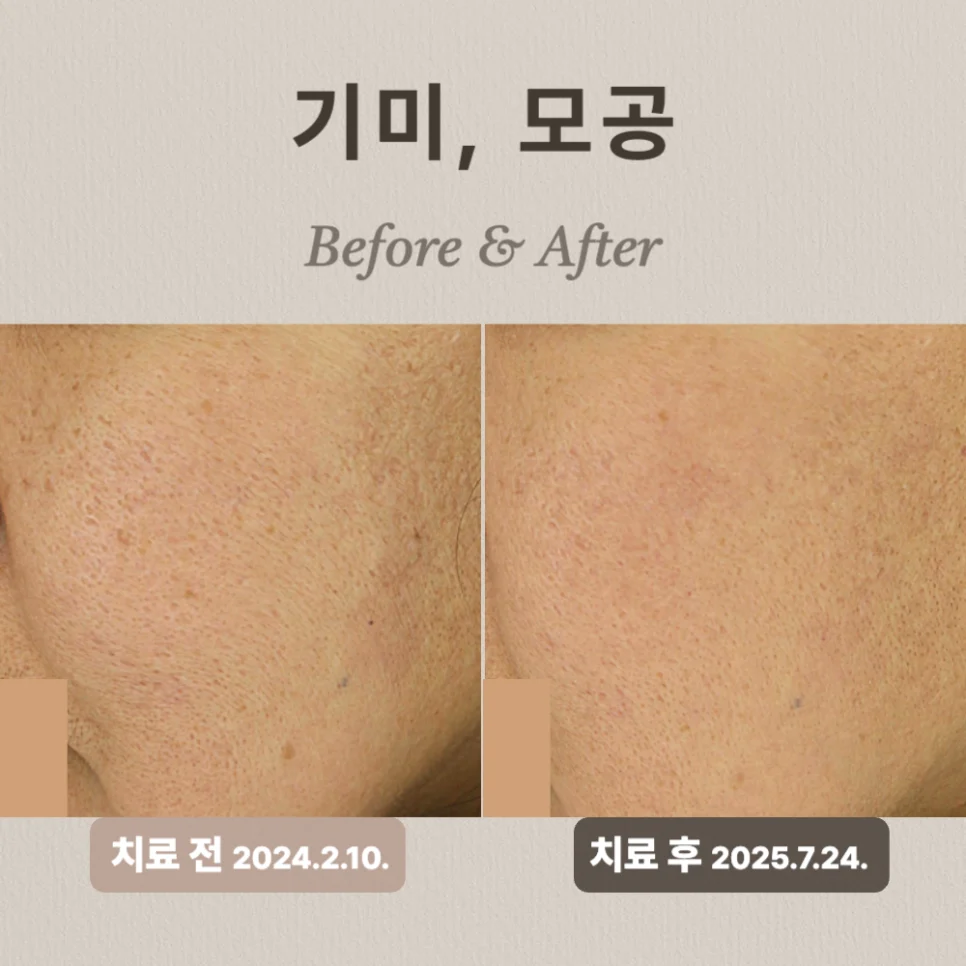 Porcelain Skin Program review in her 40s: the secret to improving melasma and pores!
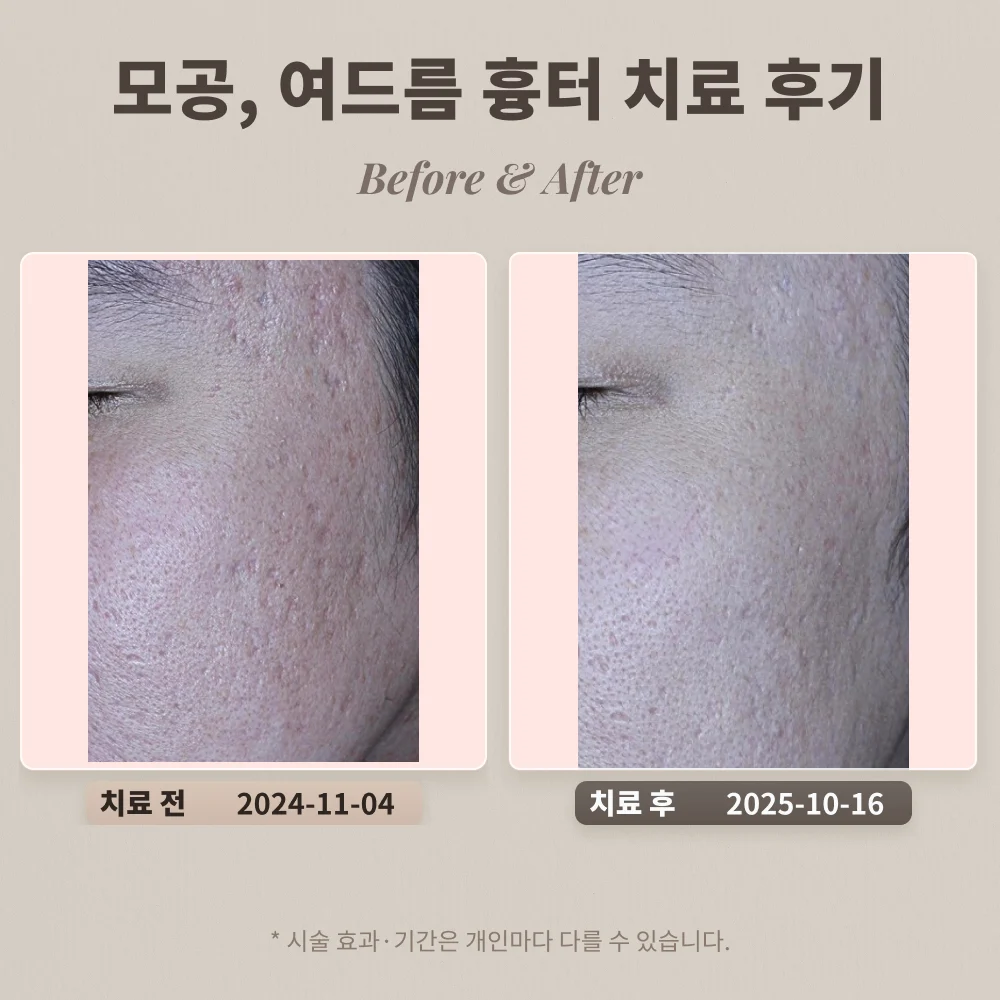 Pore and acne scar treatment review #A treatment journey toward porcelain skin
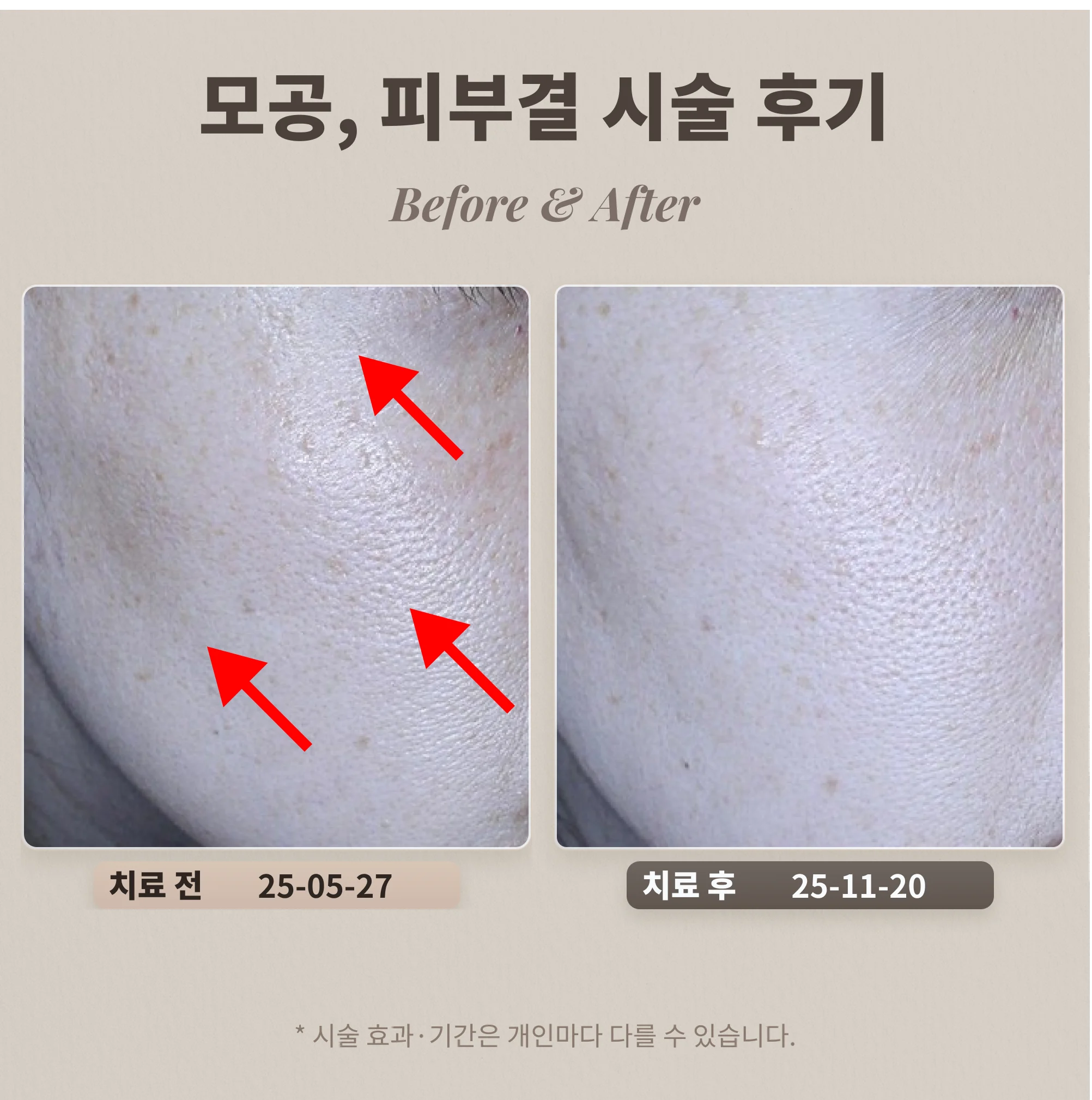 Recommended dermatology treatments for better pores and skin texture in your 40s
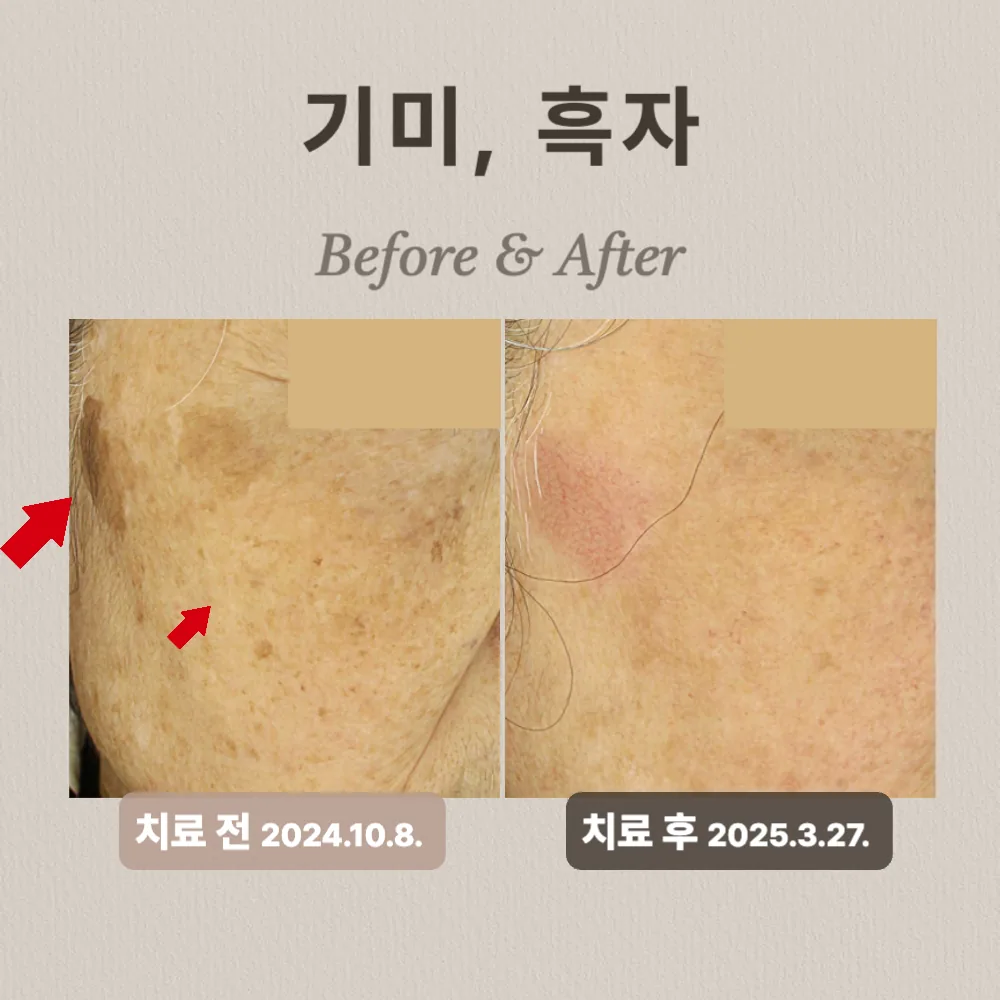 Woman in her 60s: melasma and solar lentigo treatment review
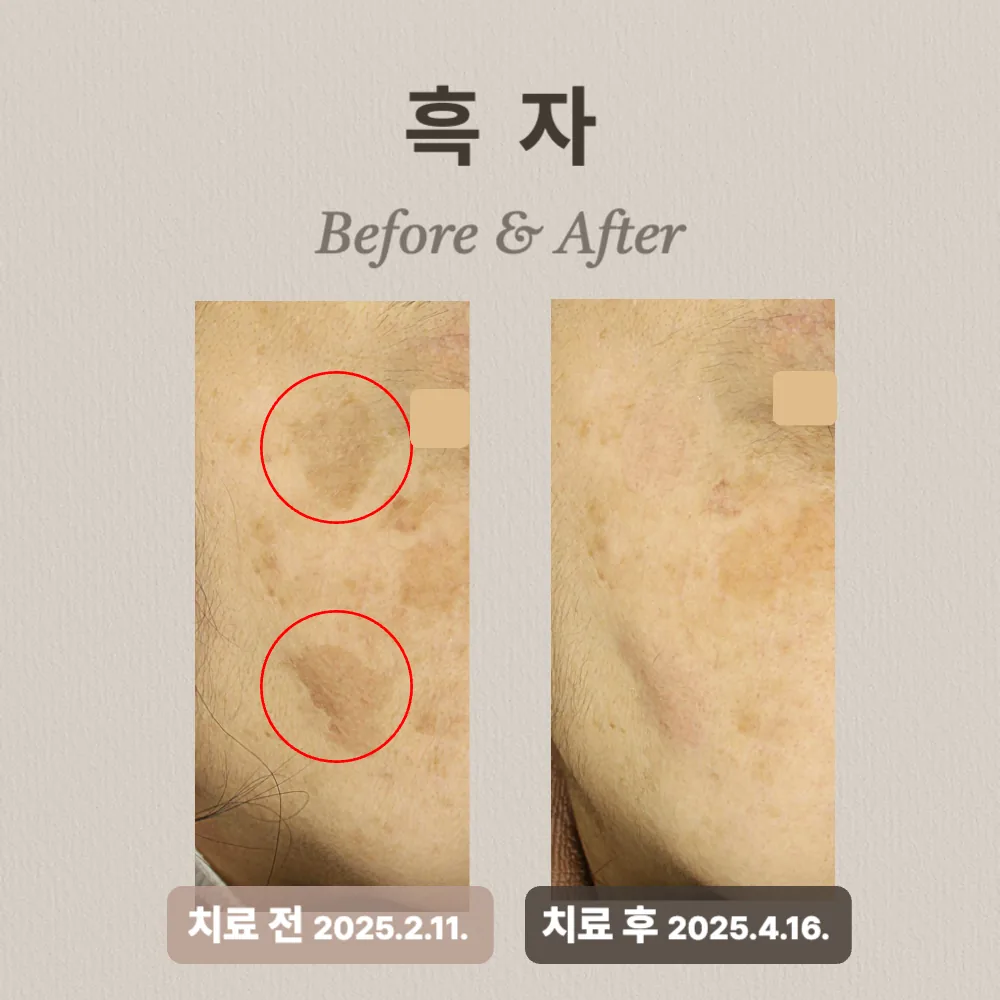 Woman in her 60s: solar lentigo removal part 1 treatment review (melasma treatment ongoing)
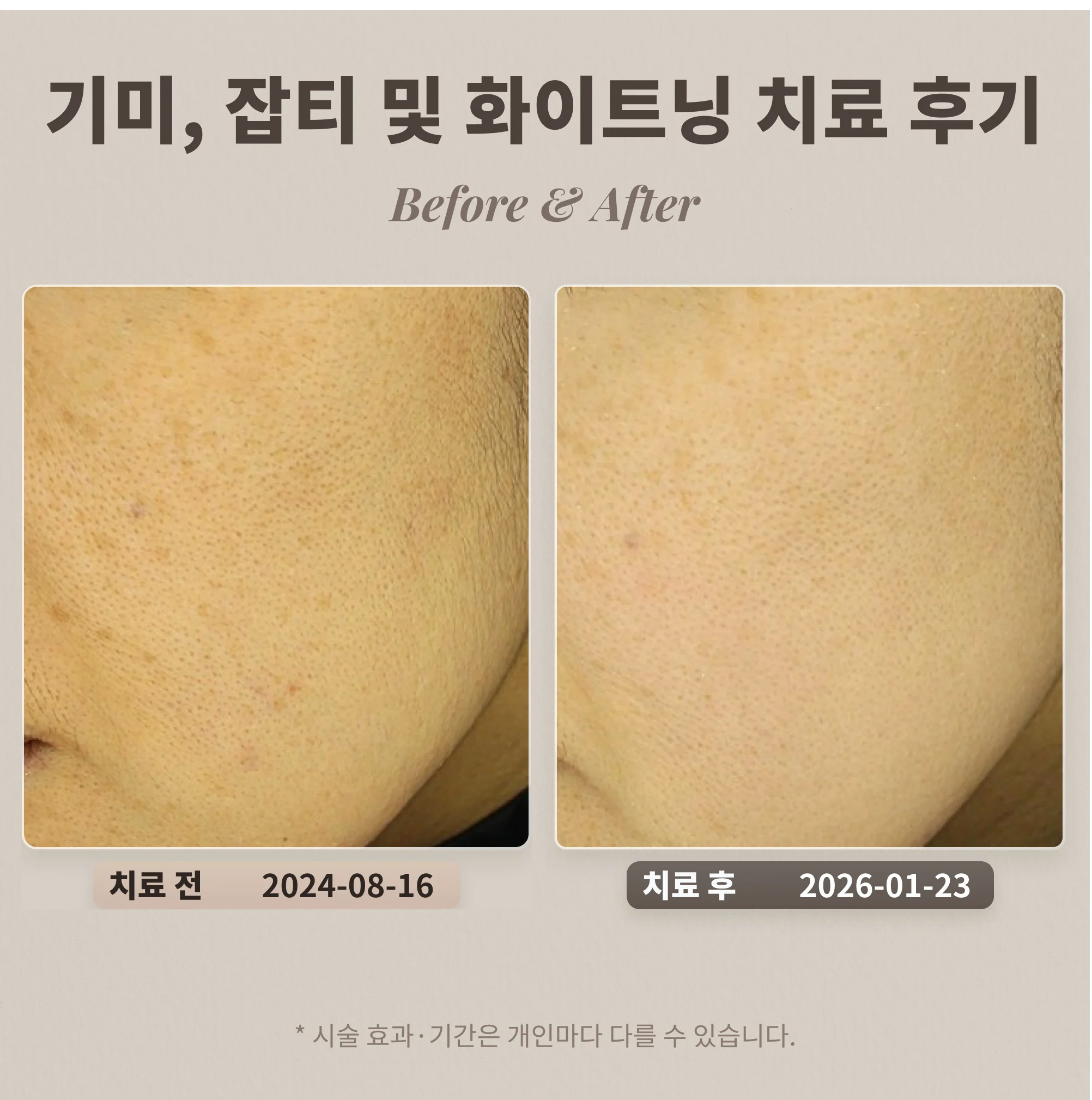 Melasma, blemish, and whitening (toning) treatment review
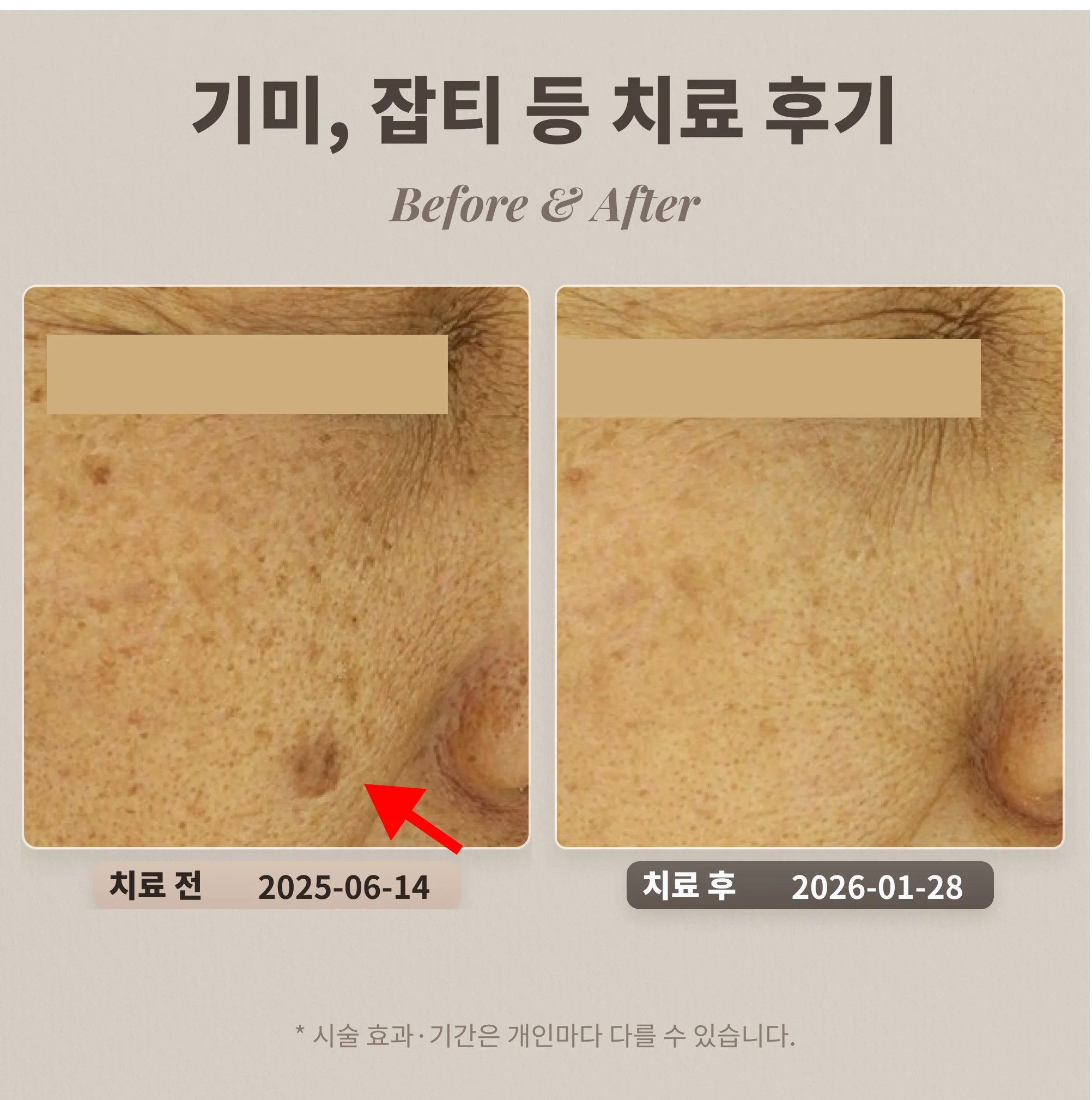 Porcelain Skin Program treatment review for melasma, blemishes, and more
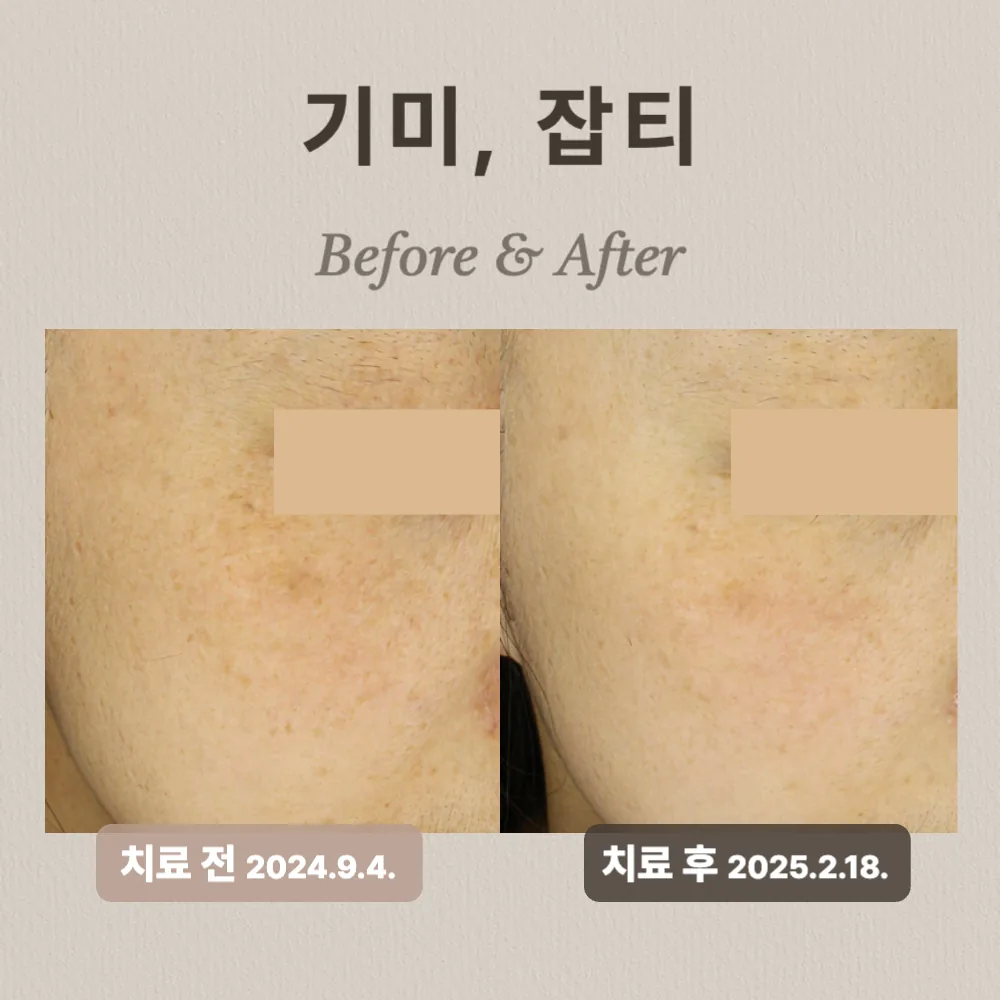 Woman in her 30s: melasma, blemish, and redness treatment review
Begin Your Skin Journey
Melasma treatment starts
with an accurate diagnosis
Find your answer through a one-on-one personalized consultation at our clinic, backed by extensive consultation and treatment experience.
02-565-8273 Book a Consultation ↗
3F SH Tower, 324 Seolleung-ro, Gangnam-gu, Seoul · 3 min from Hanti Station · 6 min from Seolleung Station
Weekdays
10:00–20:00
(lunch 13:00–14:00) · Sat
09:30–15:30
open through lunch
Closed on Sundays · public holidays
Equipment
이 진료에 함께 쓰는 장비

PicoSure
Used for settled pigment concerns such as melasma, blemishes, and age spots, as well as acne scars. It fires a 755nm wavelength in picosecond pulses, shattering pigment with instantaneous pressure waves rather than heat, which helps improve pigmentation while reducing the burden on the epidermis.

RevLite
Used for concerns where pigment is mixed through the epidermis and dermis, such as melasma, blemishes, and a dull skin tone. It targets pigment by depth with two wavelengths, 1064nm and 532nm, and helps improve skin tone through a toning approach of multiple low-energy passes.

Cellec V
Used for complex skin concerns where melasma and blemishes coexist with redness. With 9 filters dividing the 420–700nm wavelength range, it targets pigment and vessels in a single treatment, helping tidy up pigmentation and redness together.