Vascular & Barrier Care
Treating facial redness does not end with reducing the visible vessels. If burning, stinging, and post-cleansing tightness come with it, the vascular problem and skin barrier damage need to be examined together.
First, we distinguish the causes of a ‘red face’
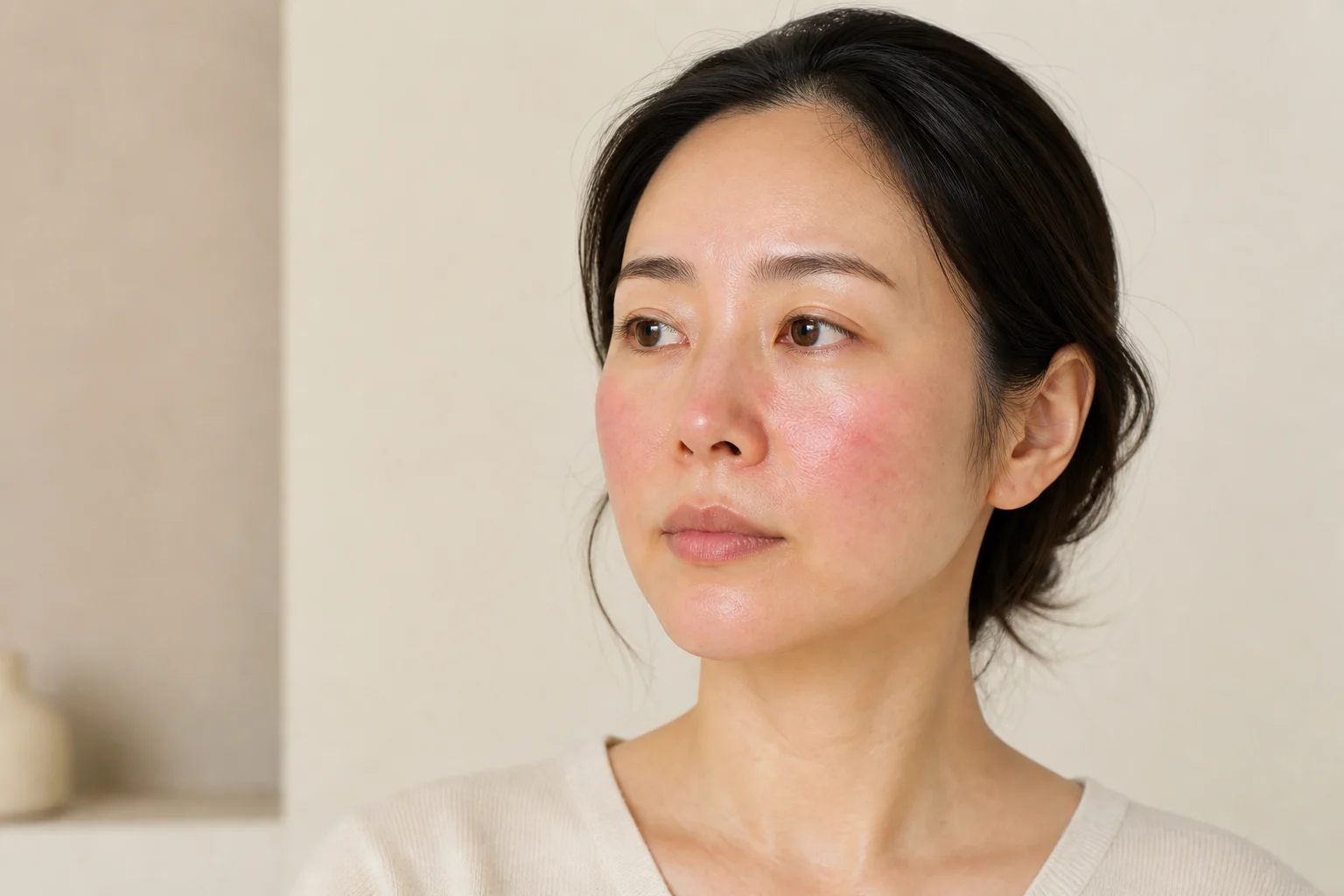
Facial redness is not a single diagnosis but a symptom that appears in many conditions. There is physiological flushing that briefly reddens the face in hot places, and there are chronic inflammatory diseases such as rosacea, in which central facial redness and heat keep recurring. Telangiectasia with visible capillaries, red post-acne marks, irritant and contact dermatitis, and seborrheic dermatitis can also turn the face red.
In the consultation we check whether the redness is transient or persistent, whether heat, stinging, or itching accompany it, whether papules or pustules are present, and whether dry or bloodshot eyes occur alongside. Your history with cosmetics and ointments matters too, as do aggravating factors such as alcohol, temperature changes, exercise, spicy food, and UV exposure.
Cases centered on persistent central facial erythema, visible capillaries, and red post-acne marks.
When red papules and pustules keep recurring, anti-inflammatory treatment with topical or oral medication may take a larger role than lasers.
When dryness, tightness, burning, and irritation from cosmetics stand out, we plan skin barrier recovery alongside.
Bloodshot eyes, dryness, a foreign-body sensation, or pain call for evaluating the possibility of ocular rosacea as well.
Which types of redness can Vbeam help with?
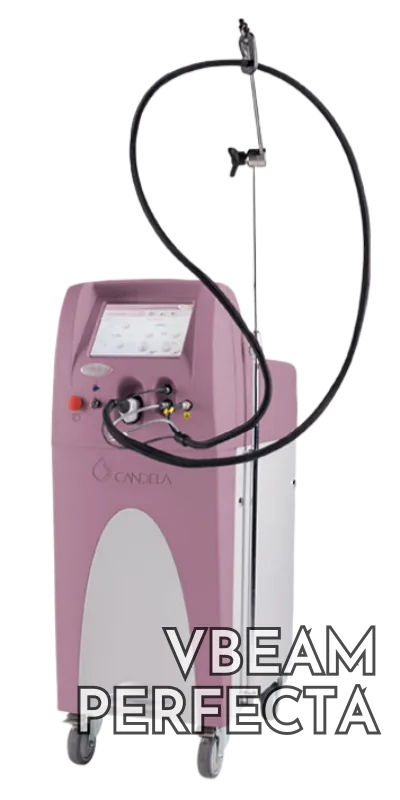
Vbeam Perfecta is a 595nm pulsed dye laser (PDL). The laser light is selectively absorbed by oxyhemoglobin in the blood, delivering heat to dilated superficial vessels. This is why it can be considered when ‘vascular redness’ — visible capillaries and persistent erythema — is prominent.
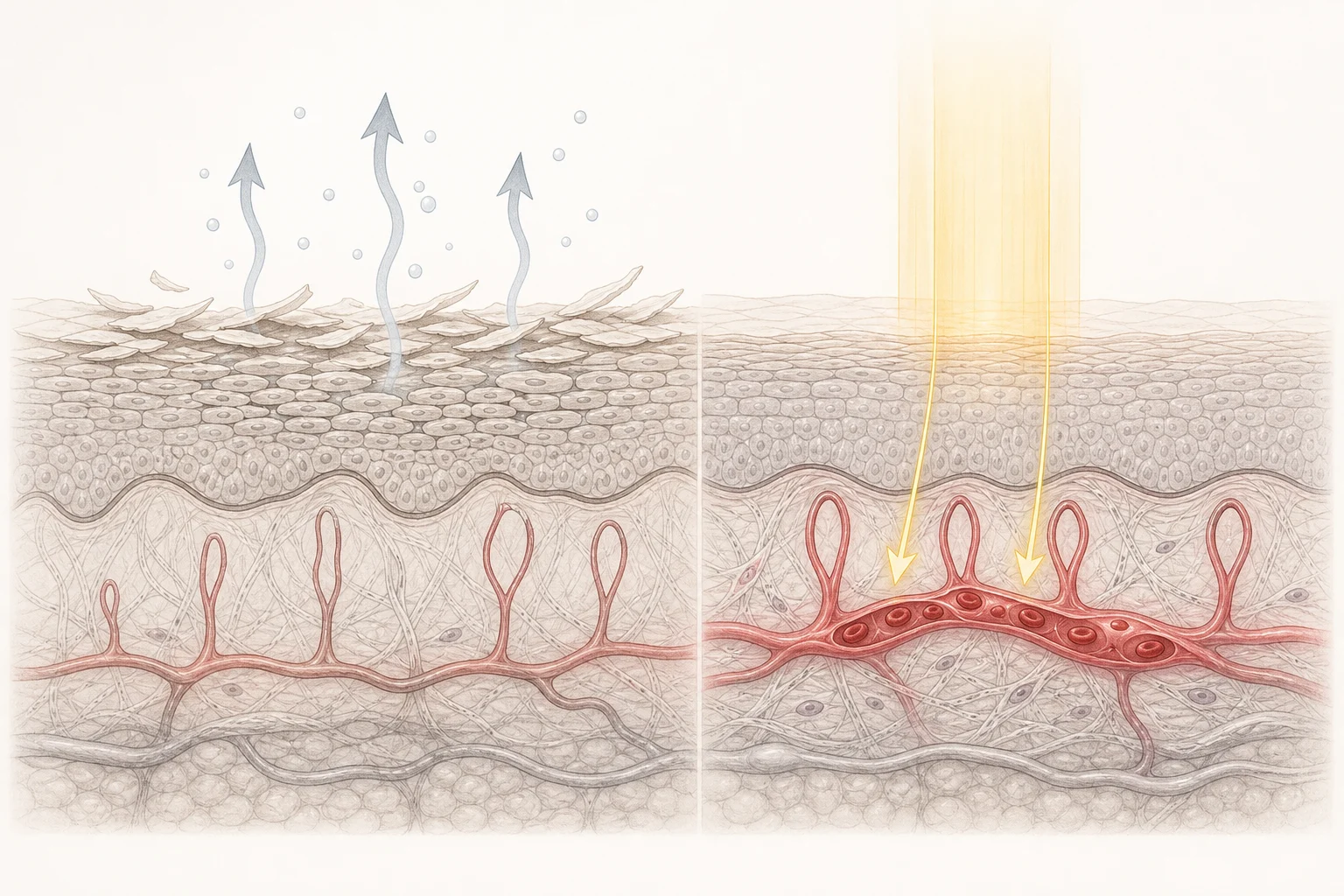
It focuses on reducing dilated superficial vessels and persistent erythema.
It lowers dryness and irritation, creating an environment in which the skin can tolerate treatment.
Vbeam does not resolve every symptom of rosacea at once. If papules and pustules dominate, anti-inflammatory treatment may need to come first or run in parallel. For skin with severe burning and stinging, it is safer to lower the irritation first and then set the laser intensity and intervals.
The number and intensity of sessions are not the same for everyone
The energy and pulse width vary with the thickness and depth of the vessels, the extent of the redness, skin tone, and how much purpura can be tolerated. Treatment may be divided into several relatively gentle sessions, while for distinct vessels a setting that can cause purpura may be chosen. Right after treatment, redness, swelling, and a burning sensation can appear, and in rare cases blisters or pigment changes can occur, so a plan tailored to the skin’s condition is needed.
Why we look at skin barrier treatment alongside
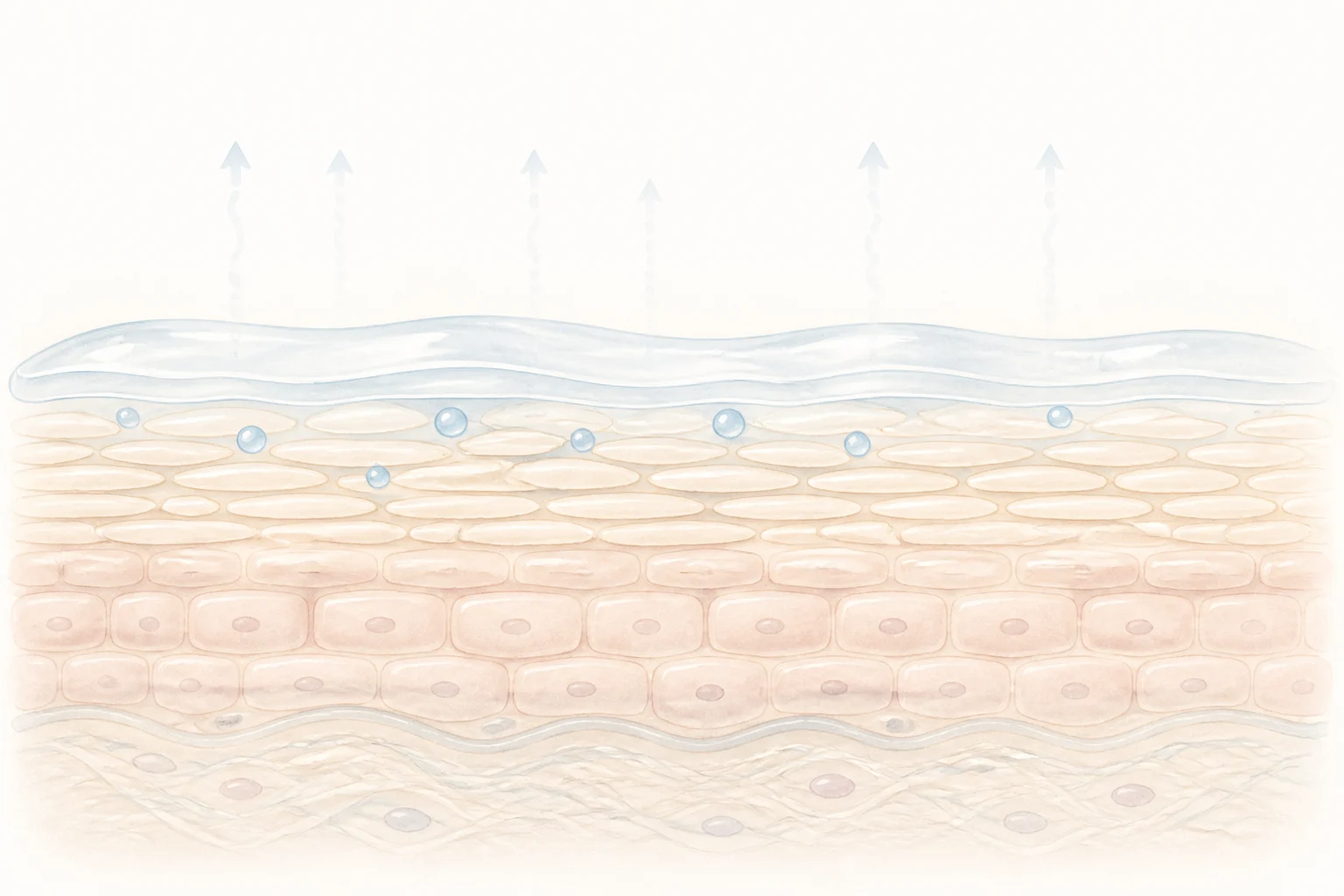
In rosacea-prone skin, reduced skin barrier function is often observed along with vascular hyperreactivity. When the barrier weakens, moisture escapes easily, and even cleansers or cosmetics that used to be fine can sting and burn. Repeated irritation from exfoliation, scrubs, high-concentration acids, or retinoids makes the redness flare more easily.
What role does a Kiomer prescription play?
Kiomer is not an ordinary cosmetic but a gel-type medical device in the wound dressing category, composed mainly of chitosan and collagen. It is used to form a protective film and a moist environment over damaged skin, with the aim of reducing moisture loss and external irritation.
When the skin is very dry and sensitive, or when barrier damage accompanies dermatitis or a procedure, the medical team may prescribe it as an adjunct after reviewing the skin’s condition and the product’s approved scope of use. That said, Kiomer is not a medicine that removes dilated vessels or treats rosacea by itself, nor is it something every redness patient necessarily needs.
If stinging, itching, or a rash worsens after application, or if oozing, pain, or heat increases, stop using it and seek medical care. Lesions suspected of infection and possible hypersensitivity to specific ingredients are also checked first.
How treatment is actually combined
- Diagnosis and identifying aggravating factors
We determine which is central: persistent erythema, dilated vessels, papules and pustules, burning, or barrier damage. - Stabilize inflammation and irritation first
When dermatitis is active or stinging is severe, gentle cleansing, moisturizing, and sun protection form the base, with medication or medical device prescriptions added when needed. - Vbeam for vascular redness
Energy and intervals are adjusted based on the thickness and extent of the dilated vessels and how the skin responds. - Maintain barrier recovery alongside
Use prescribed Kiomer or an appropriate moisturizer, and cut back on exfoliation and irritating active-ingredient products until the skin stabilizes. - Revise the plan as the skin responds
Changes in redness, heat, lesion count, and daily discomfort are evaluated to adjust the balance of laser, medication, and barrier treatment.
Daily habits to keep up at home
- Use lukewarm water and a gentle cleanser, and do not rub with a towel.
- Avoid products heavy in fragrance and alcohol, as well as scrubs and frequent peels.
- Test moisturizers in small amounts, starting with products with simple ingredient lists.
- UV can aggravate persistent erythema, so protect against it every day.
- Keep a record of your own triggers, such as alcohol, spicy food, hot drinks, saunas, and intense exercise.
- After laser treatment, avoid hot showers, alcohol, and intense exercise, and do not apply non-prescribed ointments on your own.
Good redness treatment is not decided by a single device name
Vbeam is an important tool for reducing vascular redness. But if the skin stings, is dry, and breaks down easily under irritation, barrier recovery must be built into the plan. Conversely, in rosacea accompanied by papules, pustules, or eye symptoms, medication and ophthalmologic evaluation may matter more.
Looking at the vessels, the inflammation, the skin barrier, and everyday aggravating factors together, and setting the order and intensity each patient needs — that is the starting point of redness treatment.
If the redness persists for weeks or worsens rapidly, if there is pain, oozing, crusting, or severe swelling, or if bloodshot eyes, eye pain, or glare accompany it, medical care takes priority over self-care.
Medical references
- Global ROSacea COnsensus 2019 update: phenotype-based rosacea diagnosis and combination treatment recommendations
- American Acne & Rosacea Society update: skin care, sun protection, trigger avoidance, and the role of vascular lasers
- Light-based therapies in rosacea systematic reviews: efficacy of PDL and IPL and the limits of the evidence
- Korea Ministry of Food and Drug Safety information on the safe use of wound dressings